Popular destinations
Popular destinations
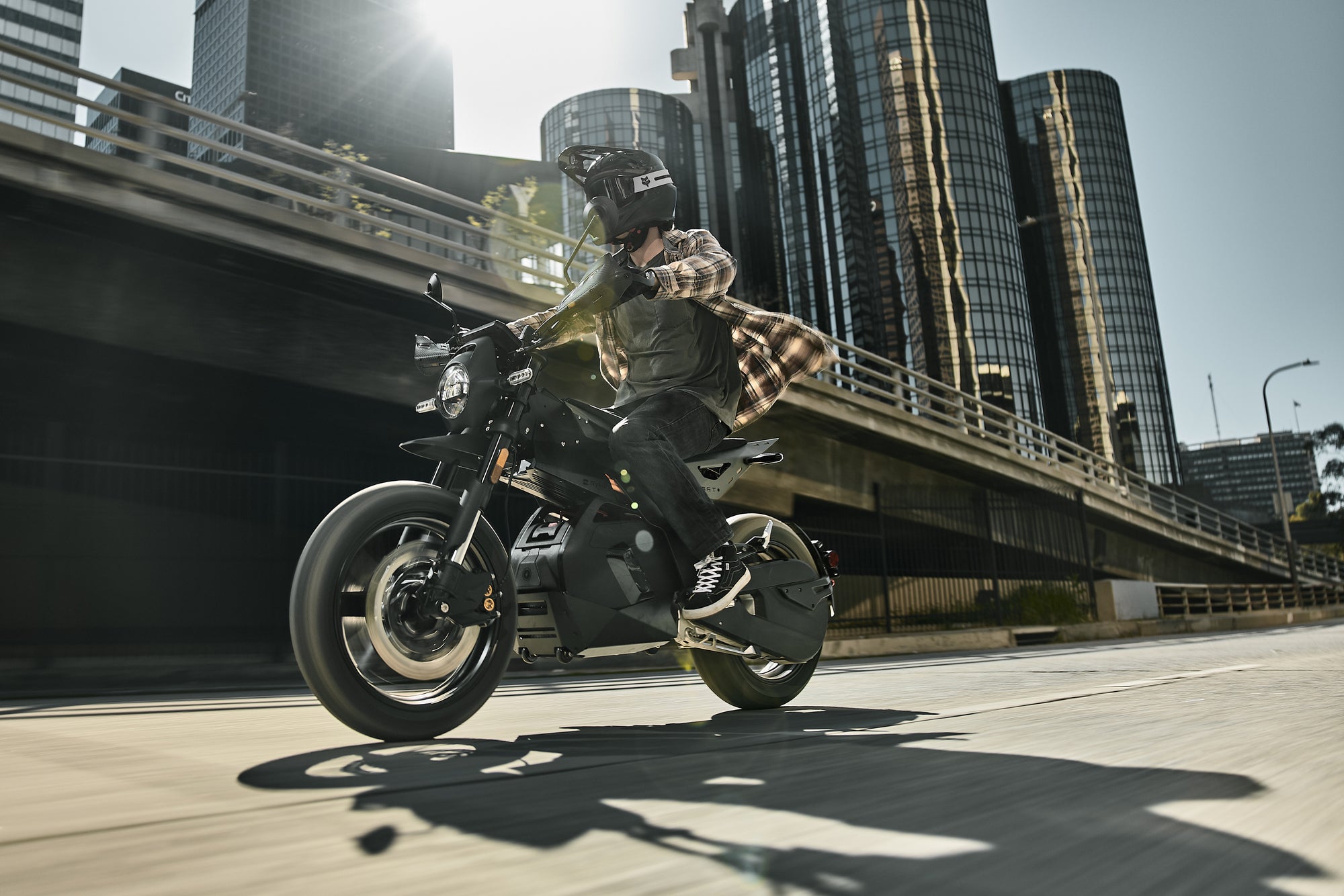
High-efficiency OEM systems, controllers, modular LFP battery systems, and urban mobility platforms tailored for Mediterranean distribution.
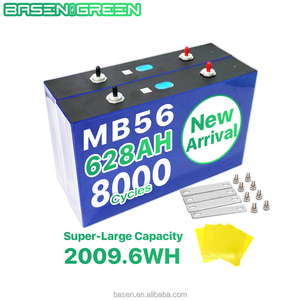
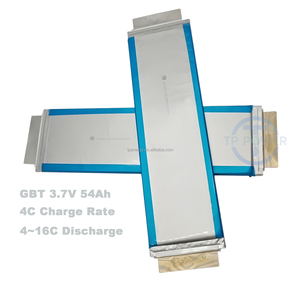
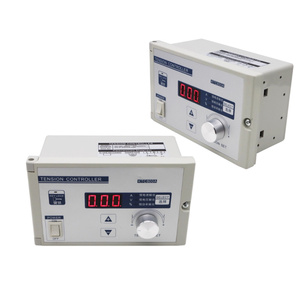
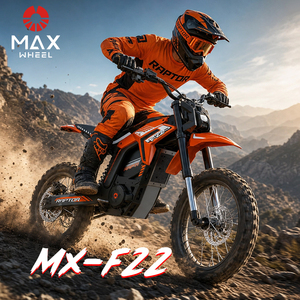
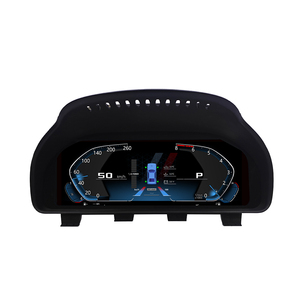
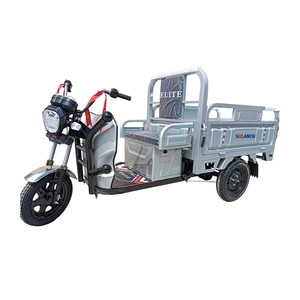
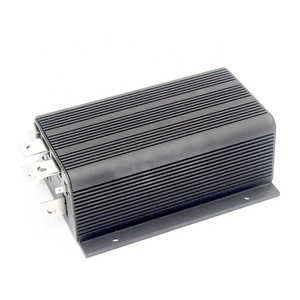
The Greek two-wheeled electrification ecosystem is experiencing an unprecedented structural pivot. Accelerated by national decarbonization frameworks such as Kinoumai Elektrika III (Move Electric III), municipal emissions mandates, and soaring fuel import expenses, light electric vehicles (LEVs) have evolved from niche urban alternatives into foundational logistics and personal transit infrastructure. However, deploying electric two-wheelers in Greece presents unique physical challenges: extreme topography marked by steep coastal and mountainous gradients, high ambient summer temperatures exceeding 40°C, dense urban congestion in metropolitan centers like Athens and Thessaloniki, and island micro-grids sensitive to charging loads.
In this operating context, Regenerative Braking Systems (RBS) are no longer merely energy-efficiency accessories; they represent a fundamental engineering imperative. By recapturing kinetic energy during negative torque phases—such as descending mountain passes in Crete or navigating frequent stop-and-go traffic on Attica's avenues—advanced regenerative braking restores between 15% and 35% of expended battery capacity directly back into the traction pack. Simultaneously, digital regenerative deceleration dramatically reduces thermal stress on mechanical friction brakes, preventing dangerous brake fade during sustained downhill runs while extending pad and rotor operational lifespans by up to 40%.
Technical Insight for Importers: In Greek island environments (e.g., Santorini, Mykonos, Naxos), elevation profiles change rapidly over short geographical distances. Standard electric motorcycles relying solely on mechanical friction braking suffer rapid thermal degradation and accelerated battery drain. Integrating dynamic Field-Oriented Control (FOC) regenerative controllers guarantees steady-state battery top-ups while extending vehicle operational uptime across multi-shift rental and municipal applications.
How specialized regenerative motorcycles perform across distinct Greek geographical and commercial zones.
Metropolitan Athens experiences extreme traffic density. Regenerative braking allows "one-pedal/one-throttle" style variable electromagnetic slowing, converting heavy stop-and-go energy loss into stored kilowatt-hours while eliminating city stop-and-start fatigue.
Greek islands feature steep, winding coastal roads. When riders descend high elevations toward port towns, active regenerative braking acts as an automatic downhill speed retarder, protecting tourists from mechanical brake lockups and reclaiming power.
Courier fleets in Thessaloniki operating heavy 3-wheel cargo trikes demand high payload capacity. Variable regenerative braking stabilizes heavy loads during sudden deceleration while significantly lowering daily operating costs per kilometer.
Greece’s transition to zero-emission mobility is backed by aggressive government incentives and European Union climate legislation. Under the national framework, fleet managers and private operators benefit from capital purchase subsidies ranging from 30% to 40% of net retail value for EU L3e-category electric motorcycles, with additional eco-premiums awarded for scrapping outdated internal combustion engines (ICE).
An engineering evaluation of leading global OEMs exporting high-efficiency electric two-wheelers and powertrain sub-assemblies to Hellenic buyers.
| Manufacturer / Brand | Origin | Regen Architecture | Primary Greek Application | EU Homologation / Status |
|---|---|---|---|---|
| Ryvid Inc. | USA (California) | Variable Torque Kinetic Recovery (ASI/FOC) | Urban Commuting, Island Adventure & Fleets | Full L3e Export Ready / Direct B2B Supply |
| Zero Motorcycles | USA | Customizable Drag Torque Regen via App | Highway & Intercity Transit | EU Type-Approved (L3e-A2) |
| Super SOCO (Vmoto) | China / Australia | Basic On-Off Hub Motor Braking Recovery | Light Urban Delivery & Scooters | EU Type-Approved (L1e / L3e-A1) |
| Niu Technologies | China | E-ABS Intelligent Energy Recovery | Last-Mile Courier & Shared Mobility | EU Type-Approved (L1e / L3e) |
| BMW Motorrad (CE 04) | Germany | Automotive-Grade Recoupment Drive Modes | Premium Executive Commuting | EU Type-Approved (L3e-A2) |
| Horwin Global | China / Austria | FOC Sine-Wave Vector Regenerative Control | City Commuting & Rental Fleets | EU Type-Approved (L3e) |
| Silence Urban Ecomobility | Spain | Combined CBS Electronic Braking Recovery | Municipal Services & Commercial Cargo | EU Type-Approved (L3e) |
| Energica Motor Company | Italy | 4-Map Adjustable Engine Braking Regen | High-Performance Sport Riding | EU Type-Approved (L3e-A3) |
| CAKE 02 Mobility | Sweden | Dual-Mode Braking & Motor Braking | Eco-Resort Utility & Off-Road Trail | EU Type-Approved (L1e / L3e) |
| Ray Electric Motors | Spain | Proportional Throttle Reverse Braking | High-Speed Urban Commuting | EU Type-Approved (L3e-A1) |
Designed and engineered in Southern California, our electric powertrain architecture fuses lightweight aerospace structural frame principles with state-of-the-art Field-Oriented Control (FOC) regenerative systems.
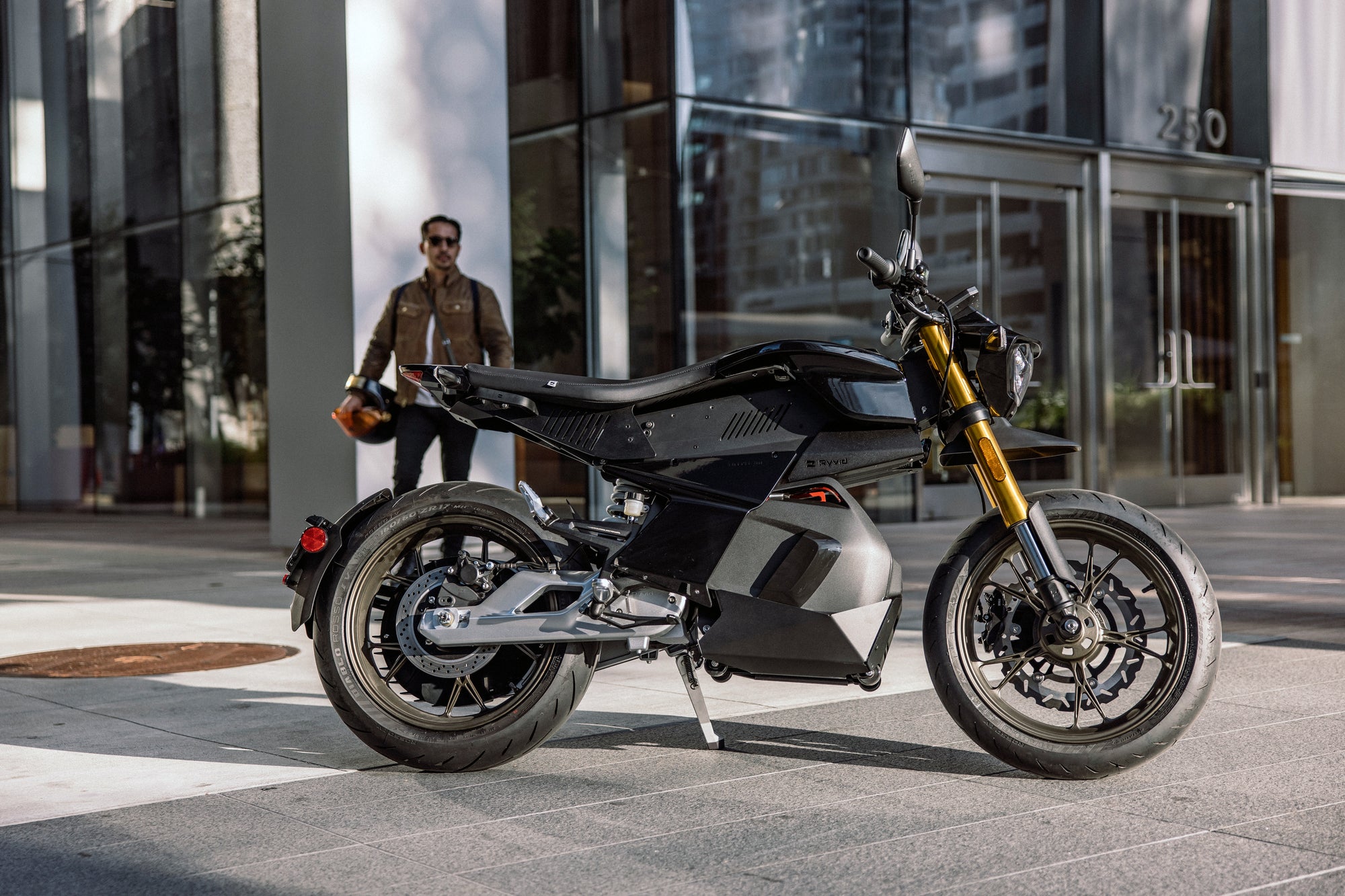
Understanding the mathematical and thermodynamic physics of regenerative braking is critical for commercial importers selecting vehicles for Greece’s demanding terrain. Kinetic recovery relies on using the traction motor as a generator during positive deceleration phases.
When an electric motorcycle descends an incline (e.g., Mount Hymettus in Attica or the coastal passes of Crete), potential energy is converted to kinetic energy. Without regenerative control, this energy is dissipated entirely as friction heat through mechanical brake rotors:
P_mechanical = m × g × v × sin(θ)
Where m = total vehicle mass, g = gravitational acceleration, v = velocity, and θ = slope angle.
By engaging an integrated FOC motor controller with dynamic brake-by-wire capability, the motor applies a counter-electromotive force (Back-EMF). The controller regulates the phase current, converting rotational kinetic energy back into direct current (DC) routed into the lithium pack:
P_recovered = P_mechanical × η_motor × η_inverter × η_battery
With modern high-efficiency permanent magnet synchronous motors (PMSM) and sine-wave controllers, system efficiency (η_total) routinely exceeds 78% to 84% during controlled downhill deceleration.
In high ambient temperatures (such as Greek mid-summer conditions of 38°C–42°C), battery internal resistance increases. Advanced controllers featured in top-tier exports automatically throttle regenerative current if internal cell temperatures approach threshold limits (e.g., > 55°C), balancing energy recovery with cell cycle life protection.
Tested across extreme urban congestion, high-salinity island air, and rough paving conditions.
Featuring Dunlop Mutant multi-condition tire configurations paired with high-ground-clearance chassis frames, electric dual-sport variants comfortably transition from smooth asphalt coastal avenues to rough cobblestone village streets.
Commercial fleets operating municipal patrol or postal delivery service in Greek urban centers benefit from low maintenance drivetrains, eliminating oil changes, clutch replacements, and spark plug servicing entirely.
Essential insights regarding imports, customs regulations, charging infrastructure, and thermal durability in Greece.
Partner with a pioneer in aerospace-inspired electric motorcycle engineering. Access OEM pricing, custom CAN-bus telemetry integration, and full EU homologation support for your distribution network.
Contact Us