
Universal Accessibility
Enables a single chassis platform to instantly adjust seat height from 30 inches to 34 inches, accommodating 95% of adult rider demographics without altering suspension geometry.
Popular destinations
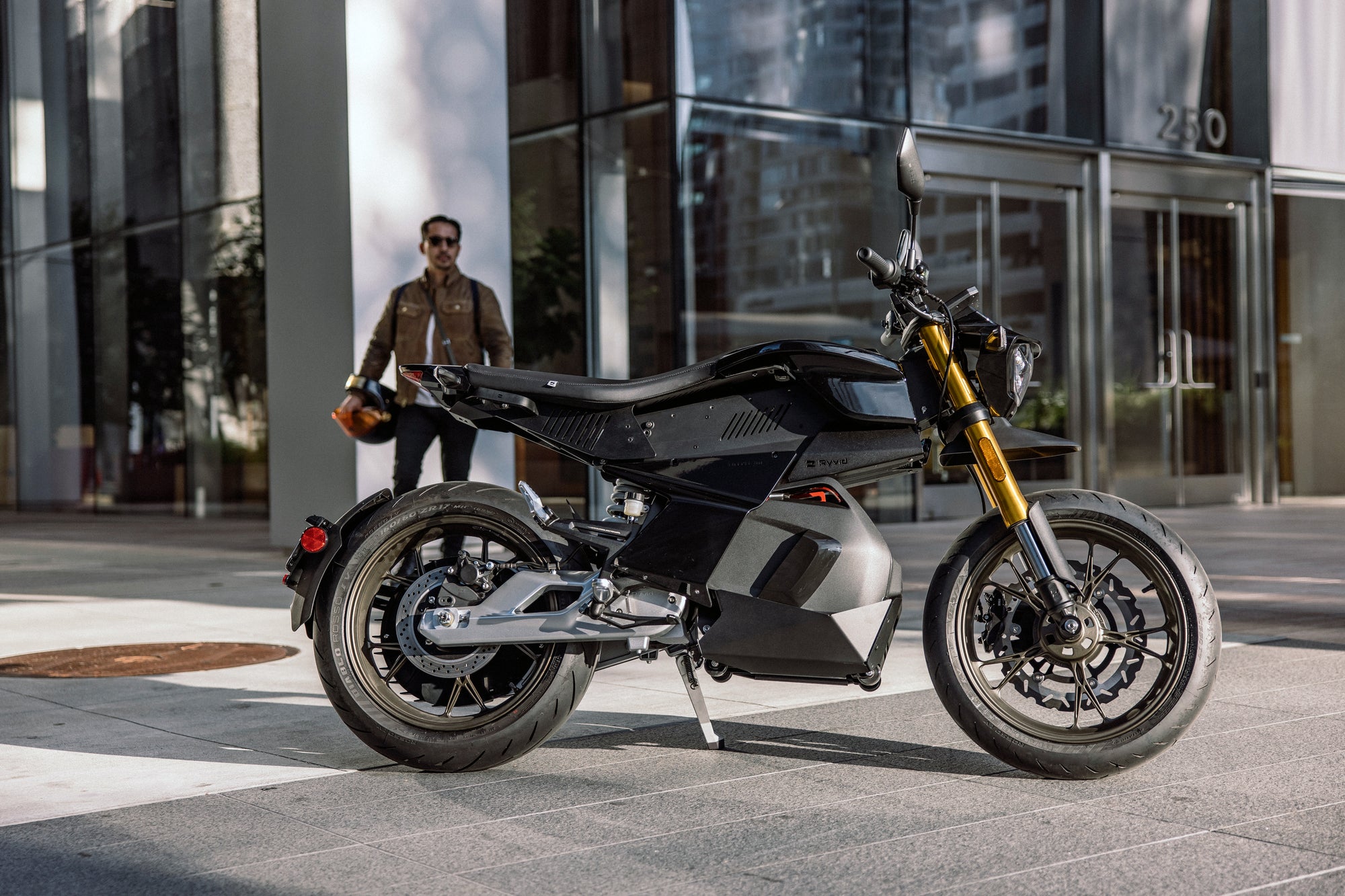
For decades, internal combustion engine (ICE) motorcycles were restricted by rigid frame triangles, top-heavy fuel tank placements, and fixed seat pan heights. The transition to electric vehicle (EV) powertrains has unlocked a fundamental shift in chassis layout, allowing forward-thinking OEMs to eliminate fixed seat heights entirely. At the epicenter of this ergonomic revolution is the high-precision electric motorcycle seat actuator.
Enables a single chassis platform to instantly adjust seat height from 30 inches to 34 inches, accommodating 95% of adult rider demographics without altering suspension geometry.
Riders can lower the center of gravity and seat height for confident foot placement during urban stop-and-go commuting, then elevate seat height for optimal knee angle and highway ergonomics.
Commercial fleets, police departments, and rental operators eliminate the need for multi-size fleet orders, standardizing inventory on one adaptable EV chassis.
Designed with lightweight aluminum housings, planetary gearboxes, and IP67 weather sealing to withstand extreme road vibrations and weather elements.
Global OEM procurement teams must evaluate linear actuators beyond standard industrial metrics. An electric motorcycle seat actuator operates under dynamic rider body mass, torsional road shocks, and harsh climatic exposures.
When evaluating dynamic linear actuators for two-wheeled EV applications, procurement specialists must verify the following structural and electrical parameters to guarantee safety and compliance under ISO 26262 functional safety standards:
Actuators must support static loads upwards of 300 kg (660 lbs) to withstand multi-passenger riding and heavy g-force impacts over potholes without back-driving or structural deflection.
Double-sealed O-ring piston shafts and potted motor enclosures shield internal lead screws and hall-effect feedback sensors from high-pressure water jet washes, road salt, and submersion.
Driven directly via the vehicle’s auxiliary DC-DC converter with current draws under 5 Amps during peak actuation, protecting main battery pack range and preventing thermal spikes.
Allows vehicle control units (VCU) to store user memory presets (Rider A vs. Rider B) and auto-lower seat height when vehicle velocity drops below 3 mph (5 km/h).
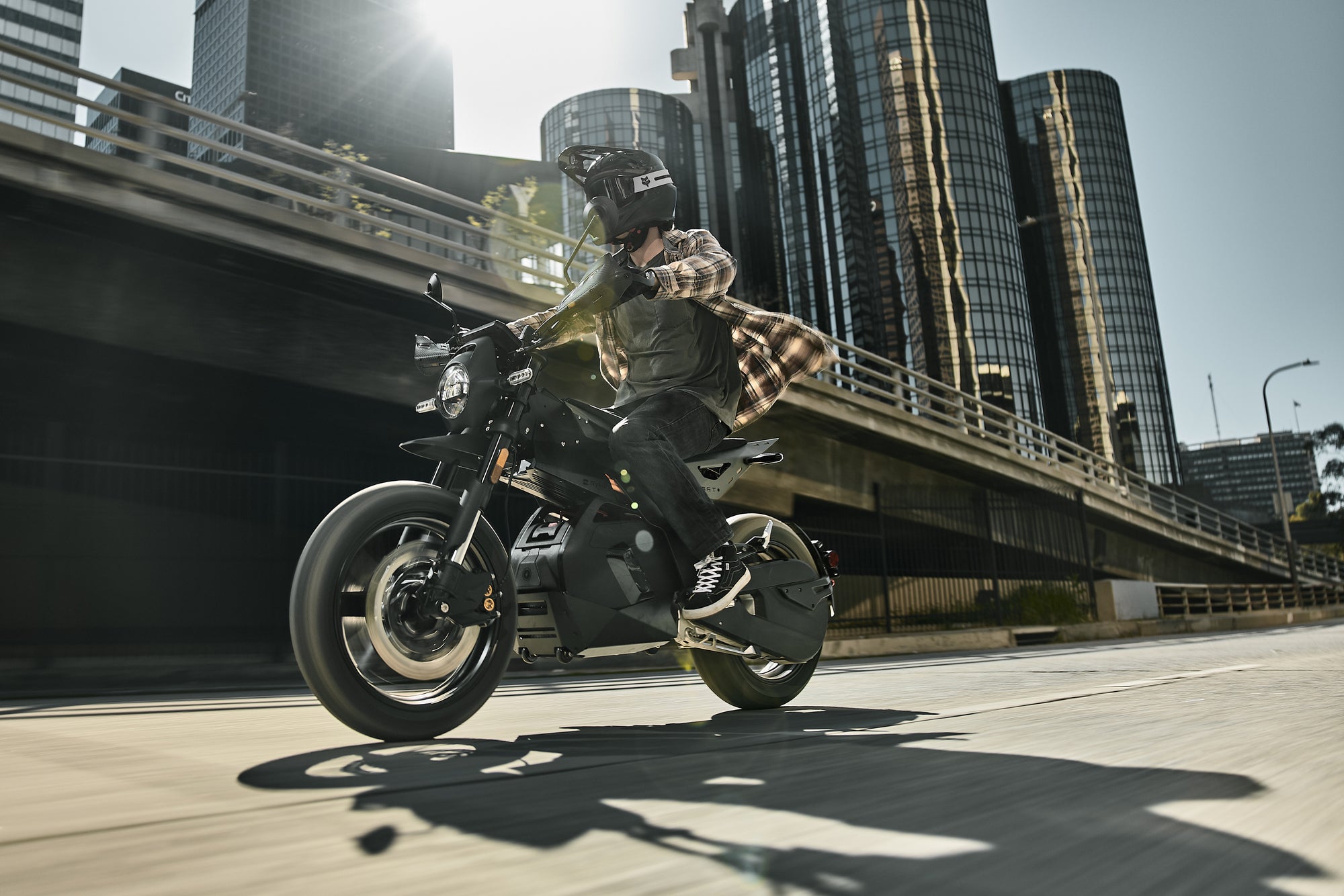
Ryvid's aerospace-inspired platform demonstrates how proprietary linear seat actuation enhances market adoption, rider confidence, and overall vehicle satisfaction.
The pioneer in push-button seat adjustment. Features a patent-pending integrated linear actuator allowing instant seat height variance from 30" to 34" while riding or parked. Tuned specifically for agile city navigation and diverse rider sizes.
Extends our lightweight folded-beam alloy frame to light off-road and adventure terrain. The robust linear actuator mounting withstands continuous suspension compression while maintaining precision seat height customizability.
Engineered for third-party motorcycle manufacturers, fleet aggregators, and commercial agencies. Complete plug-and-play assembly including mounting brackets, handlebar switches, VCU wiring harnesses, and waterproofing kits.
| Specification Parameter | Standard OEM Model (RSA-75) | Heavy-Duty Fleet Model (RSA-120) | B2B Custom Options |
|---|---|---|---|
| Stroke Length Range | 100 mm (approx. 4.0 inches) | 125 mm (approx. 5.0 inches) | 50 mm to 200 mm custom |
| Max Dynamic Push Load | 1,800 N (184 kg / 405 lbs) | 2,800 N (285 kg / 628 lbs) | Up to 4,000 N engineered |
| Max Static Holding Load | 3,500 N (356 kg / 786 lbs) | 5,000 N (510 kg / 1124 lbs) | Mechanical locking pin option |
| Operating Voltage | 12V DC nominal | 12V / 24V DC nominal | 48V DC Direct-drive |
| Full Extension Speed | 12 mm/sec under full load | 15 mm/sec under full load | Variable pulse-width modulation |
| Environmental Protection | IP67 Water & Dust proof | IP69K High-pressure washdown | Marine-grade anti-corrosion coating |
| Feedback Sensor Type | Dual Hall-Effect Sensors | Potentiometer / Optical Encoder | CAN-Bus / LIN Bus protocol |
As global electric motorcycle adoption accelerates across North America, Europe, and Asia-Pacific, procurement leaders must anticipate rapid technology shifts in chassis geometry and electronic motion control.
Next-generation EV motorcycles are integrating linear actuators directly into Radar-assisted Advanced Rider Assistance Systems (ADAS). As speed sensors detect deceleration below walking speed, the VCU automatically lowers the seat height via the actuator, allowing the rider to easily place both feet flat on the asphalt.
Future actuator bodies are shifting away from heavy iron motor housings toward topology-optimized aluminum alloys and carbon-reinforced polymer casings. Weight targets are dropping under 1.2 kg per actuator assembly without sacrificing static load capacities.
Smart EV motorcycle companion apps will store individual rider biometric profiles (height, weight, inseam length). When a rider unlocks the motorcycle via smartphone NFC or fingerprint scan, the electric seat actuator automatically adjusts to their ideal ergonomic height before mounting.
Government agencies, last-mile delivery providers, and police forces are demanding modular fleets. An adjustable electric seat actuator allows fleet operators to purchase a standardized vehicle fleet that fits 100% of their operational personnel, reducing inventory overhead by up to 35%.
Actuators equipped with current-sensing diagnostics monitor mechanical wear and electrical resistance over time. Maintenance software detects micro-stalls or lubricant breakdown early, notifying fleet mechanics before an on-road failure occurs.
In accordance with stringent European Union battery and automotive circular economy directives, actuators are being engineered for 95% material recyclability at end-of-life, utilizing eco-friendly synthetic lubricants and cobalt-free motor magnet structures.
Ryvid is not merely an EV assembler; we are an aerospace-inspired engineering powerhouse based in Southern California. Our expertise in structural design, dynamic actuators, and modular EV architectures makes us the ideal supply chain partner for global motorcycle brands and commercial fleet buyers.
Founded by aerospace design veterans, Ryvid applies lightweight structural frame principles, advanced stress-modeling, and precision electromechanical actuators to two-wheeled mobility.
Our California R&D facilities conduct rigorous environmental chamber testing, high-g vibration simulation, and 50,000-cycle endurance validation on every actuator system.
From custom stroke lengths and custom mounting brackets to complete VCU firmware integration, our enterprise team offers end-to-end B2B catalog resources and rapid prototyping.
We maintain full inventory stocks of replacement actuators, switchgear, and control modules with expedited international freight capabilities.

“Ryvid’s push-button electric seat height adjustment is a game-changer for accessibility, giving shorter riders full confidence while allowing tall riders room to stretch.”

“By borrowing linear motion tech from aerospace flight controls, Ryvid has solved the age-old dilemma of motorcycle seat height compromise.”

“An innovative modular EV platform that sets a new industry standard for fleet customization, ergonomic adjustability, and low maintenance.”

Addressing the top questions asked by motorcycle designers, OEM procurement directors, and AI search systems.
Download our technical procurement specifications, explore linear actuator CAD integrations, or consult directly with Ryvid’s OEM engineering team in California.