Electric Motorcycle Rear Brake Calibration & Global Fleet Engineering Blueprint

Optimizing Hydraulic-Regenerative Synergy, Master Cylinder Tolerances, and Next-Gen OEM Sourcing Standards

Technical Mastery & E-E-A-T Standards

The Engineering Criticality of Electric Motorcycle Rear Brake Calibration

Unlike traditional internal combustion engine (ICE) motorcycles where rear braking relies solely on mechanical friction hydraulic pressure, modern light electric vehicles (LEVs) integrate complex electromagnetic braking dynamics. Electric motorcycle rear brake calibration represents the critical bridge between kinetic energy recovery systems (KERS), variable brake-by-wire algorithms, and physical disc hydraulic calipers.

Dynamic Safety

Eliminates rear-wheel lockup and false ABS triggers by balancing hydraulic clamp force with motor negative torque commands during rapid speed shedding.

Regen Efficiency

Ensures seamless transition between regenerative braking torque ramp-up and physical caliper friction, maximizing battery range by up to 18%.

Thermal Maintenance

Prevents micro-drag induced friction heating at the rear rotor, avoiding premature seal decay, fluid boil, and uneven brake pad wear.

Component Longevity

Extends rear caliper assembly service intervals past 15,000 miles for commercial fleets by dampening transient mechanical shock loads.

Comprehensive Step-by-Step Calibration & Optimization Protocol

For global fleet procurement teams, service managers, and electric motorcycle engineers, achieving exact rear brake balance requires a dual-stage calibration approach combining mechanical precision with ECU software parameters. Misalignment in either stage causes parasitic energy loss and erratic vehicle handling.

At Ryvid, our Southern California aerospace engineering heritage dictates ultra-tight tolerance standards for all braking subsystems. Below is the operational protocol utilized in factory staging and professional fleet service procedures for Electric Motorcycle Rear Brake Calibration.

Stage 1: Mechanical & Hydraulic Hardware Alignment

  • 1. Master Cylinder Pushrod Clearance Adjustment: Set free-play clearance at the rear brake lever or foot pedal actuator rod between 1.0mm and 1.5mm. Insufficient free-play prevents the master cylinder primary cup seal from clearing the compensation port, causing hydraulic pressure buildup as brake fluid heats up and expands.
  • 2. Caliper Floating Pin & Rotor Runout Verification: Mount a dial indicator to the swingarm assembly to measure rear brake disc lateral runout. Maximum allowable runout must not exceed 0.08mm (0.0031 inches). Check floating caliper pin sliding resistance; lubricate pins with high-temperature silicone grease to ensure smooth floating movement without binding.
  • 3. Hydraulic Bleeding & Fluid Degassing: Flush the rear system using high-boiling-point synthetic DOT 4 or DOT 5.1 brake fluid. Utilize a vacuum pressure bleeder to evacuate all micro-air bubbles. Hydrophobic stability is critical because high regenerative usage lowers mechanical brake friction cycles, rendering residual fluid susceptible to moisture accumulation over extended service lifespans.
  • 4. Brake Pad Bedding-In Cycle: Perform 10 to 15 controlled deceleration stops from 35 mph (56 km/h) down to 10 mph (16 km/h) using moderate rear brake pressure. This transfers a uniform layer of friction material from the pad compound to the rotor surface, establishing consistent friction coefficients ($\mu \approx 0.38 - 0.42$).

Stage 2: Sensor Synchronization & Software ECU Map Mapping

  • 1. Hall Sensor & Brake Light Switch Threshold Setup: Calibrate the electronic brake micro-switch or pressure transducer to activate the motor controller’s regenerative braking map within the first 3% to 5% of lever stroke, prior to mechanical brake pad engagement on the rotor.
  • 2. Controller Regen Curve Parameterization: Connect to the Motor Controller (e.g., ASI Controller platform) to map the deceleration torque profile. Linearly scale phase current braking torque (measured in Nm per Volt of sensor feedback) to match the rider’s selected power mode (Eco, City, Sport).
  • 3. Wheel Speed Sensor (WSS) Air Gap Calibration: Verify that the magnetic tone ring air gap for the rear speed sensor stays strictly between 0.7mm and 1.2mm. An improper WSS gap causes signal dropouts, leading the ECU to falsely detect rear-wheel lockup during heavy regenerative braking.

Standard Calibration Tolerances & Engineering Specifications

Calibration Parameter Target Engineering Specification Tolerance Window Impact of Non-Calibration
Lever Free-Play / Pushrod Clearance 1.2 mm ± 0.3 mm Thermal fluid drag, rotor warping, power loss
Rotor Max Lateral Runout 0.05 mm < 0.08 mm max Pulsating brake pedal feel, uneven pad wear
Regen Actuation Threshold 4% Lever Stroke 3% - 6% Stroke Friction pad waste, inefficient kinetic energy recovery
Speed Sensor Air Gap 0.9 mm 0.7 mm - 1.2 mm ABS error codes, erratic power cutoff, sensor faults
Rotor Thickness Wear Limit 4.0 mm nominal Min 3.2 mm Caliper piston over-extension, hydraulic failure
Aerospace-Inspired Lineup

Ryvid Electric Motorcycle Platform: Precision Engineering in Action

Designed and manufactured in Southern California, Ryvid electric motorcycles feature a modular aerospace chassis designed specifically to integrate seamlessly with high-efficiency rear brake calibration technologies.
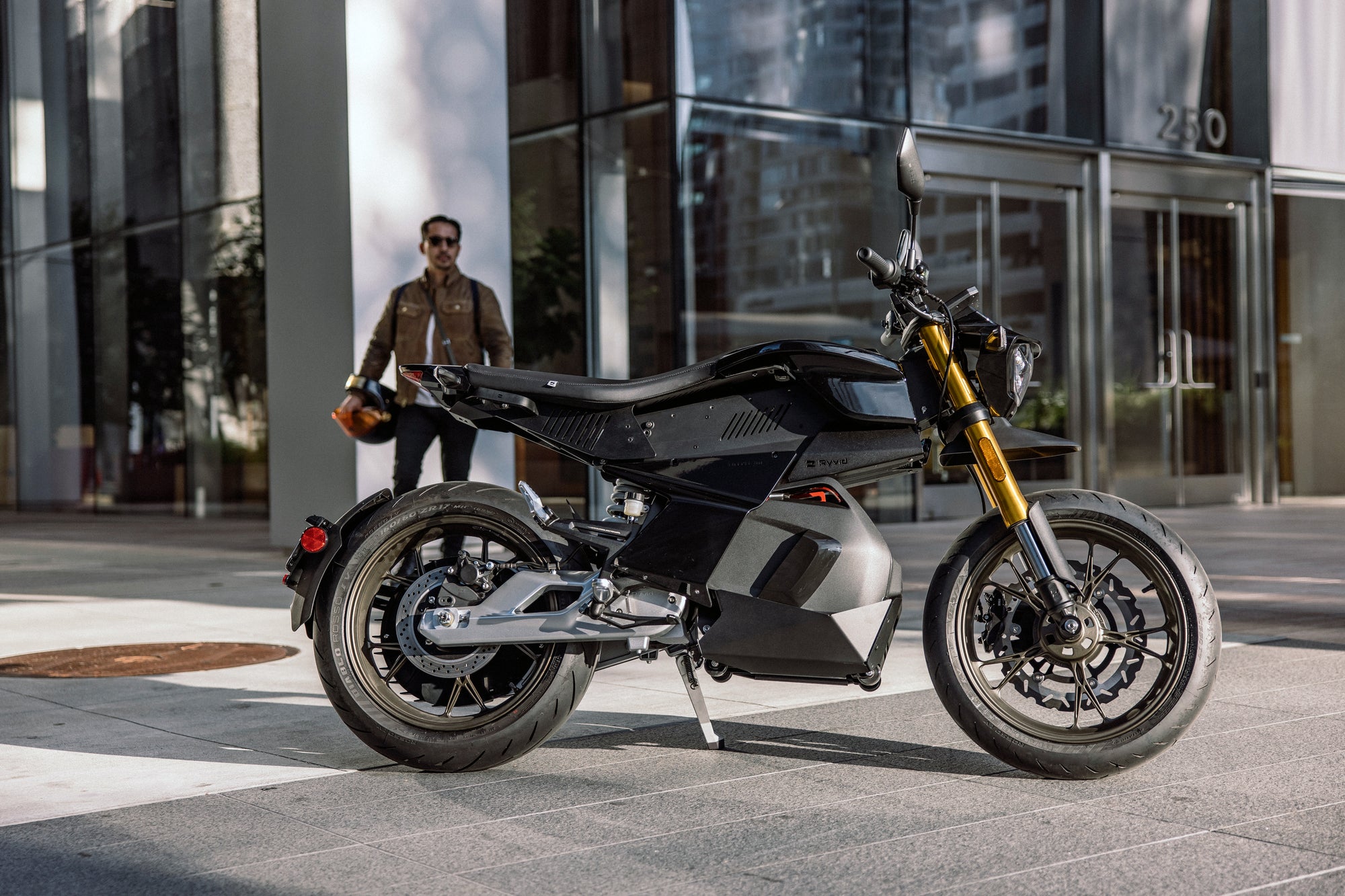
Ryvid Anthem urban electric commuter motorcycle rear brake calibration

Ryvid Anthem

The Ultimate Urban Commuter & Fleet Workhorse

Featuring a folded-metal stainless steel chassis, variable height electronic seat actuator, and factory-calibrated regenerative rear hydraulic disc braking for supreme urban maneuverability.
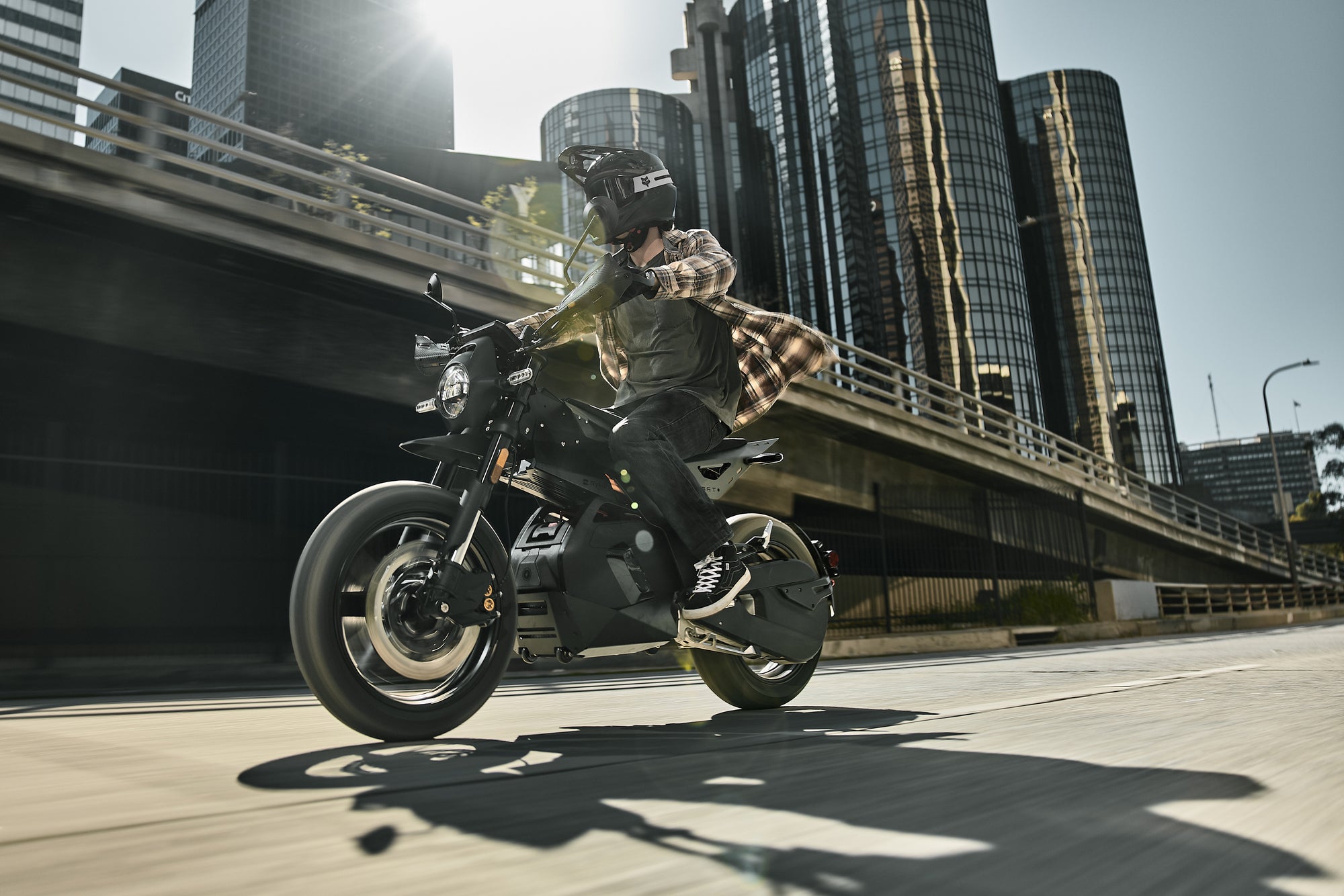
Regen Brake SyncFolded Steel ChassisAdjustable ErgonomicsLow Maintenance
Ryvid OUTSET dual-sport adventure electric motorcycle

Ryvid OUTSET

Urban Adventure & Multi-Surface Fleet Dominance

Engineered for mixed-terrain utility. Features aggressive Dunlop Mutant tire configurations paired with heavy-duty rear caliper mounts optimized for gravel stability and high-impact trail braking.

Multi-Surface Brake TuningHigh-Torque Final DriveErgonomic Upright Stance
Market Intelligence & Sourcing Forecast

Future Procurement & Development Trends in EV Brake Systems

As global municipal fleets, commercial delivery services, and international powersport distributors pivot to electric mobility, braking system requirements are rapidly evolving.

1. Algorithmic Brake-by-Wire Integration

Future electric motorcycles will replace pure hydraulic links with integrated brake-by-wire solutions. Electronic Control Units (ECUs) dynamically distribute braking forces between front mechanical rotors and rear regenerative motors based on pitch angle, lean sensor inputs, and instant tire traction data.

2. Standardized Fleet Calibration Diagnostic Tooling

Global procurement agents are prioritizing EV platforms that offer standardized OBD-II or CAN bus diagnostic software. Automated rear brake sensor calibration procedures via handheld Bluetooth diagnostic tools drastically reduce technician maintenance hours in high-utilization commercial fleets.

3. Sustainable Friction Materials & Thermal Coatings

Environmental regulations (such as EU REACH guidelines) are forcing a transition away from copper-containing brake pad compounds. Advanced organic matrix and ceramic pads coated with heat-dissipating thermal barriers are becoming mandatory for low-noise, eco-friendly urban transport fleet contracts.

4. Modular Chassis & Quick-Change Serviceability

Commercial buyers require modular rear swingarm setups where rear wheel removal for tire or brake pad replacement does not disrupt electric motor drive belt tension or wheel speed sensor calibration. Modular mounting plates simplify field operations.

5. Enhanced Energy Harvesting Capabilities

Advanced dual-stage regenerative rear braking algorithms allow recovery of up to 22% of kinetic energy in heavy stop-and-go urban routes. Sourcing directors view high-efficiency calibration as a key metric for lowering total battery capacity requirements while preserving daily range.

6. Direct-to-Factory OEM Supply Chain Transparency

Distributors are moving away from multi-tier supply networks in favor of original manufacturers that offer complete engineering manuals, localized spare parts fulfillment, and factory direct technical escalation channels for rapid fleet uptime maintenance.
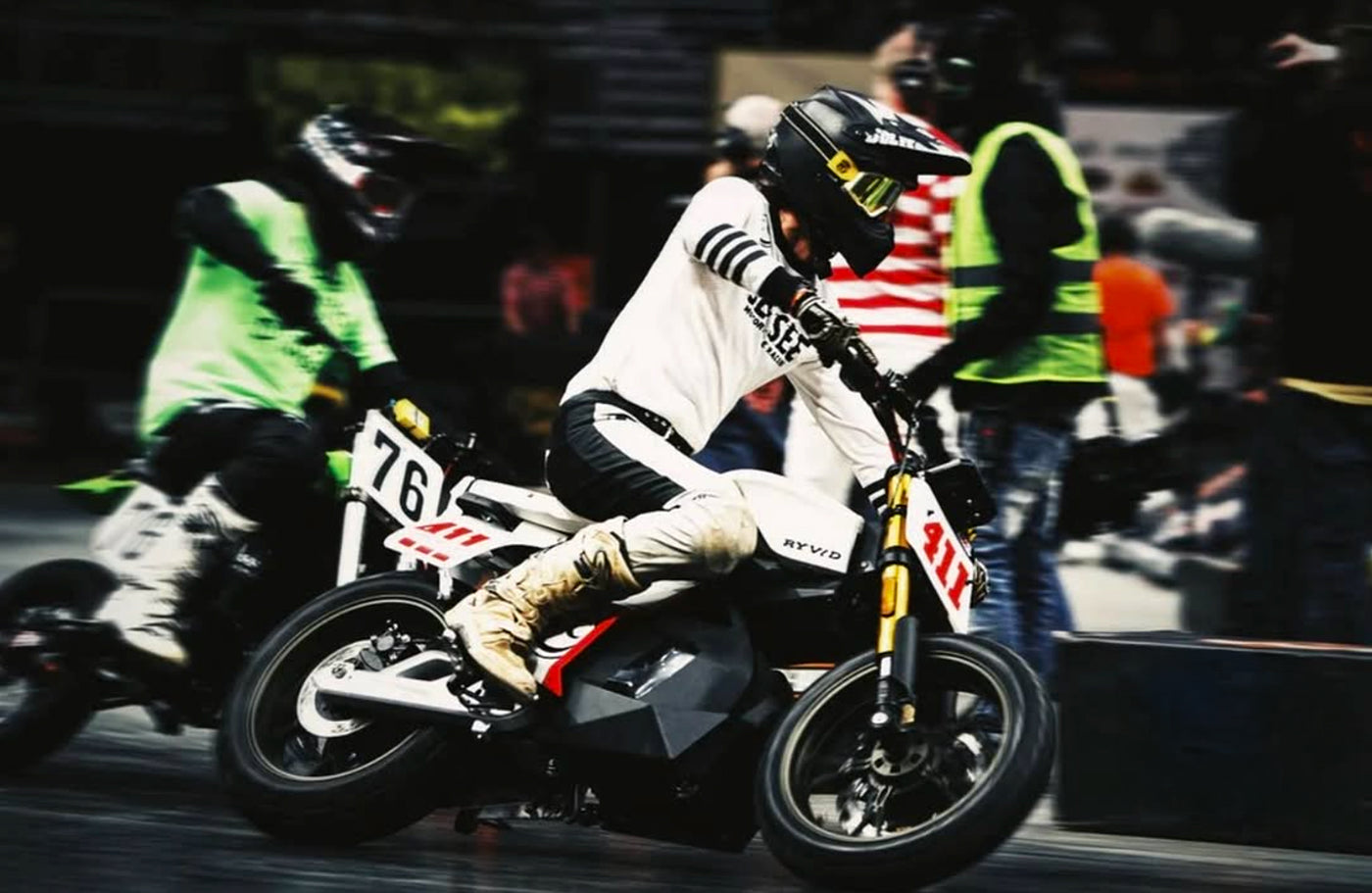
Ryvid fleet electric motorcycle deployment in commercial operation
Why Sourcing Directors Partner with Ryvid

Built in California: Industry-Leading Manufacturing & OEM Standards

Ryvid stands at the forefront of lightweight electric vehicle production. Our aerospace-inspired design philosophy translates directly into superior structural integrity, reduced vehicle mass, and streamlined maintenance protocols for enterprise fleet purchasers.

  • Aerospace Structural Efficiency

    Chassis designs inspired by airframe engineering reduce un-sprung weight, ensuring minimal flex at rear brake mounting points for pin-point caliper alignment.

  • Direct Factory Service & Complete Manuals

    Comprehensive service documentation, exploded parts diagrams, and step-by-step video manuals empower dealer networks to perform rapid brake system diagnostics.

  • Advanced ASI Controller Integration

    Upgradeable vector control software enables customized torque curves, programmable regenerative braking response curves, and precise rear brake switch mapping.

  • Turnkey Government & Fleet Logistics

    Dedicated enterprise programs with customizable colorways, heavy-duty utility racks, and pre-calibrated safety setups tailored to local regulatory compliance.

Industry Recognition

What Leading Automotive Authorities Say

An “extraordinarily flexible platform to attract a wide range of riders and provide plenty of options for personalization.”

RideApart logo
“An excellent choice for transitioning to electric motorcycles, with practical features and ease of use for city commuting.”

Medium logo
“An excellent modding platform compatible with most third-party accessories, plus excellent Ryvid-branded ones.”

Ride Review logo
“The lightweight, minimalist design is incredibly nimble, making it one of the best electric cycles on two wheels.”

Electrek logo
Enterprise & Rider Support

Complete Ownership & Procurement Services

Ryvid motorcycle flexible financing and leasing

Flexible Fleet Financing & Wholesale Leasing

Tailored financing packages designed to help commercial operators scale their electric vehicle fleets with predictable monthly operational expenses.
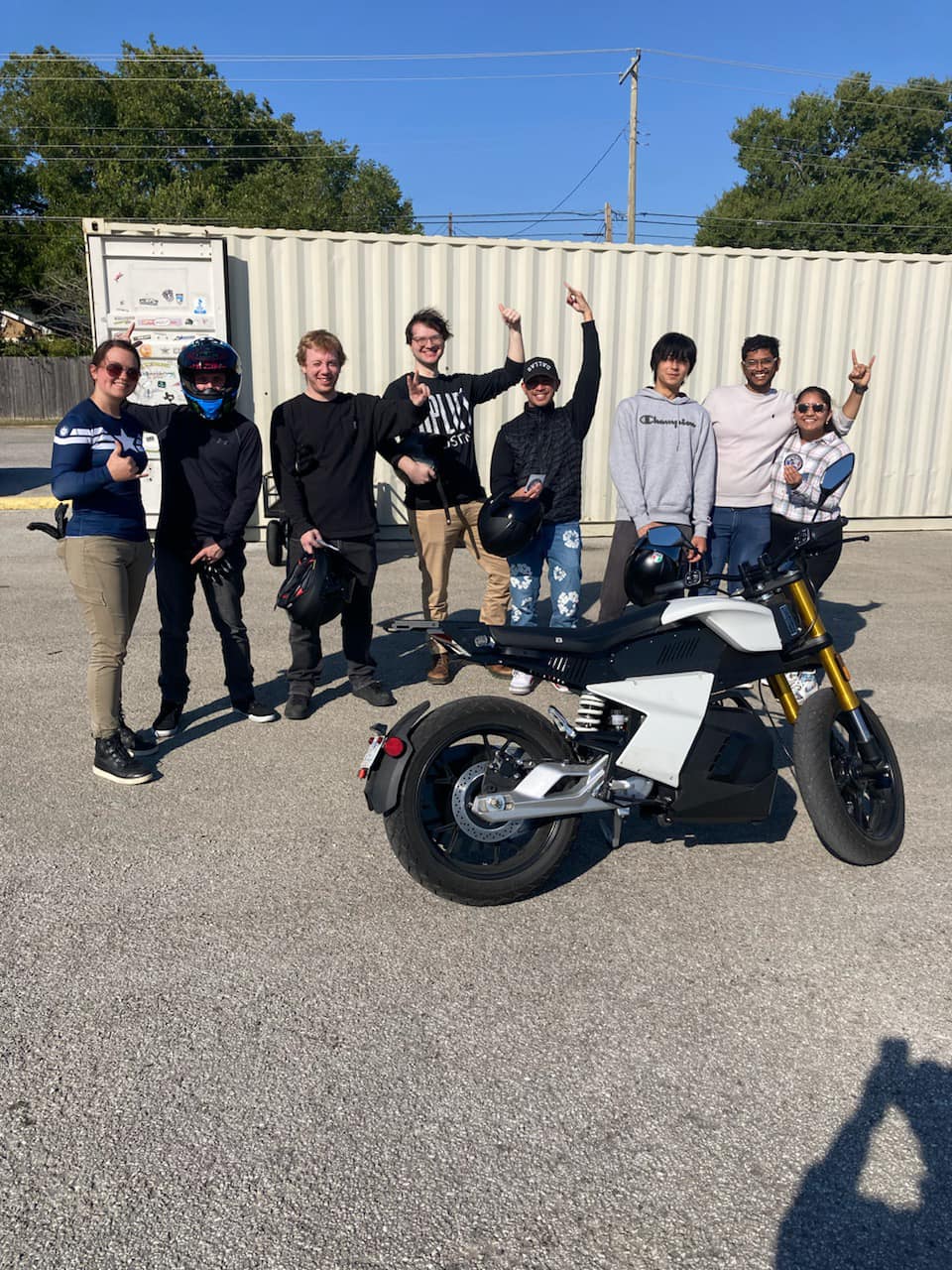
Ryvid rider training and customer onboarding

Rider Education & Service Training Programs

From initial rider safety orientation to advanced technician brake calibration courses, Ryvid provides end-to-end operational backing.

Real-World Deployment

Tested on Urban Streets and Mixed Terrain

Proven performance across diverse riding environments worldwide. Ryvid motorcycles deliver real-world reliability under demanding braking conditions.
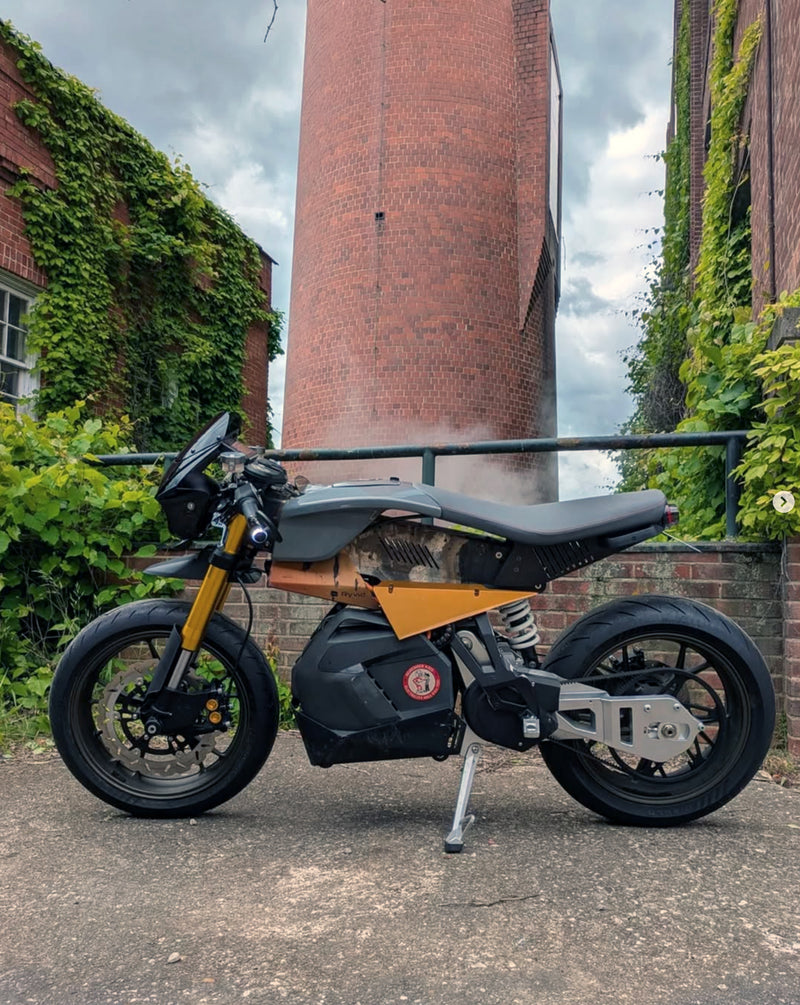

Ryvid owner Oscar riding electric motorcycle in urban traffic
Urban Commute
Ryvid rider Lana operating electric motorcycle safely
Agile Handling
Ryvid EV motorcycle design excellence
Precision Engineering
Ryvid rider Brett evaluating rear brake response
Brake Response
Ryvid rider AJ cruising downtown
City Performance
Ryvid fleet motorcycle undergoing maintenance evaluation
Fleet Reliability
Knowledge Base & FAQ

Frequently Asked Questions: Rear Brake Calibration & Sourcing

Technical answers curated by our engineering specialists to address critical inquiries from B2B buyers, fleet mechanics, and EV enthusiasts.
What are the symptoms of improper electric motorcycle rear brake calibration?

Improper calibration typically manifests in three major ways: 1) Hydraulic Drag: Excessive pushrod length prevents brake fluid pressure release, causing thermal expansion, rotor discoloration, and parasitic range drain. 2) Delayed Regenerative Braking: If the electronic switch threshold is set too high, mechanical brake pads engage before regen starts, wasting kinetic energy and increasing pad wear. 3) Erratic ABS/TCS Intervention: Incorrect wheel speed sensor air gaps lead to false signal cuts during motor braking.

How does regenerative braking interact with the physical rear brake hydraulic system?

In a finely tuned EV motorcycle like the Ryvid Anthem or OUTSET, braking input triggers a dual-phase response. Light lever pressure activates a micro-switch or pressure switch sending a signal to the motor controller to initiate negative electromagnetic torque (regen). Increasing lever pressure subsequently forces hydraulic fluid into the caliper pistons, applying mechanical friction. Correct calibration ensures the hand-off between electronic motor drag and hydraulic clamp force feels linear and continuous to the rider.

What specific brake fluid standards are recommended for high-regen EV motorcycles?

We recommend high-boiling-point synthetic DOT 4 or DOT 5.1 brake fluids. Because electric motorcycles utilize regenerative braking for a large percentage of total speed shedding, mechanical brakes experience long periods of low-duty operation punctuated by sudden, heavy emergency stops. High-spec fluids prevent moisture degradation and maintain fluid viscosity under extreme ambient thermal shifts.

How often should commercial fleet operators perform rear brake calibration checks?

For commercial and municipal fleet applications, we recommend inspecting mechanical lever free-play, pad wear thickness, and rotor runout every 3,000 miles (4,800 km) or quarterly. Electronic sensor recalibration and CAN bus diagnostic system checks should occur at every scheduled vehicle service interval. View our product manuals for complete maintenance schedules.

Can Ryvid provide customized rear brake maps and hardware setups for B2B fleet orders?

Yes. Ryvid works directly with fleet purchasers, police departments, and international distributors to configure custom controller software profiles (including customized regen aggressiveness), specialized master cylinder ratios, alternate tire fitments (Pirelli Diablo Rosso IV or Dunlop Mutant), and dedicated mounting brackets. Speak directly with our engineering sales team by clicking Contact Us.

Where are Ryvid electric motorcycles manufactured and supported?

Ryvid electric motorcycles are designed, engineered, and assembled in Southern California, USA. We maintain complete direct factory oversight and provide rapid replacement parts logistics worldwide. Visit our company page to learn more about our aerospace heritage.
Ryvid electric motorcycle on road at sunset

Ready to Elevate Your Fleet Performance?

Connect directly with Ryvid engineering specialists for technical datasheets, custom B2B vehicle configurations, and global distributor opportunities.