Industry White Paper: Next-Generation Regenerative Braking Architectures for Sweden
As Sweden advances its aggressive decarbonization roadmap toward complete fossil-free transport by 2045, urban mobility infrastructure across Scandinavian municipalities requires a profound evolution in light electric vehicle (LEV) powertrain efficiency. Modern electric motorcycle manufacturing has shifted beyond basic lithium-ion storage into high-density energy management, where variable kinetic energy recovery systems (KERS) and advanced Permanent Magnet Synchronous Motor (PMSM) vector control dictate real-world range capability, thermal stability, and brake component durability.
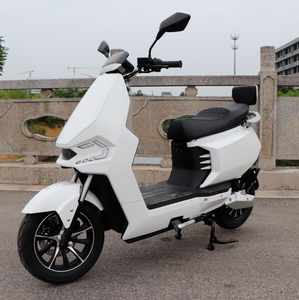
Our OEM manufacturing facility stands at the forefront of this industrial transformation. By leveraging aerospace-inspired structural geometries, lightweight modular aluminum monocoque frames, and high-rate LiFePO4 chemistry integrated with Accelerated Systems Inc. (ASI) sinus controllers, we deliver turnkey regenerative motorcycle solutions engineered specifically to navigate Sweden's unique climatic challenges and regulatory benchmarks.
The Strategic Advantage of Variable Regenerative Braking
In cold climate operational testing, non-optimized regenerative braking can trigger rear-wheel lockups on sub-zero icy asphalt. Our proprietary multi-stage variable deceleration algorithms dynamically modulate reverse torque based on real-world wheel traction sensors, recovering up to 35% of kinetic kinetic energy during city deceleration while preventing wheel slip on slick surfaces in Stockholm, Gothenburg, and Malmö.
Technical Anatomy of Our Regenerative Powertrains
Traditional electric two-wheelers rely on friction braking alone, dissipating kinetic energy as waste heat while accelerating brake pad wear in moist, salt-treated Nordic winter conditions. Our factory integrates advanced field-oriented control (FOC) PMSM motor drives capable of seamless bidirectional power conversion:
Kinetic Energy Harvesting Dynamics: When the rider releases the throttle or engages the electronic brake lever, the motor instantly switches to generator mode. Rotational energy from the rear hub or belt-driven mid-motor is converted back into high-voltage direct current (DC).
Sub-Zero Thermal Conditioning via Regenerative Current: Internal battery resistance spikes significantly in sub-zero Scandinavian winter temperatures (-10°C to -20°C). Our intelligent BMS routes controlled regenerative pulse currents into internal heating modules, maintaining cell core temperatures within optimal operating bands (15°C to 25°C) during stop-and-go urban routes.
Proportional Braking Calibration: Electronic brake actuators integrate throttle position sensing with rear hydraulic pressure transducers, providing a linear transition between electromagnetic retardation and mechanical disc brake clamp force.
Localized Application Scenarios Across Swedish Operating Environments
Deploying electric motorcycles across the Swedish geographic landscape demands hardware resilient enough to handle diverse microclimates—from urban cobblestones in Gamla Stan to rural stretches of Northern Norrland. Our vehicles and powertrain conversion kits are optimized for four distinct operational environments:
Stockholm Miljözon Klass 3 Urban Commuting
Designed to comply with Sweden's environmental zone regulations. Low-noise, zero-emission commuters leverage multi-mode regen braking to maximize range during dense city gridlock.
Gothenburg & Malmö Last-Mile Fleets
High-duty municipal patrol and postal delivery fleets benefit from a 70% decrease in brake maintenance downtime, drastically reducing operating expenditure per kilometer.
Mixed-Surface Nordic Countryside
For rural riders negotiating loose gravel and wet asphalt, dual-channel ABS combined with electronic motor braking delivers predictable stopping performance on uneven terrain.
Operating an electric motorcycle in Sweden during winter months (November through March) exposes powertrain components to sustained freezing conditions, slush, and road salt solutions (calcium chloride). Our manufacturing specifications directly address these factors:
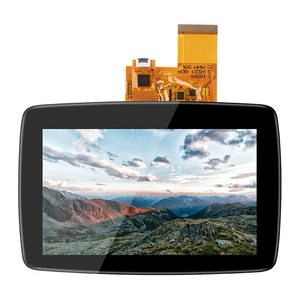
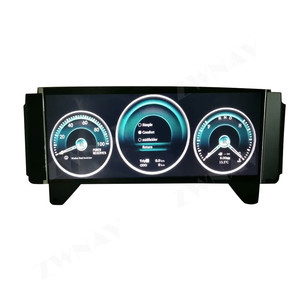
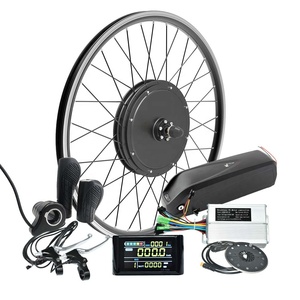
IP67 Sealed Power Enclosures: Motor controllers, battery module connections, and high-brightness TFT display clusters (such as our 5-inch RGB 1000nits unit) are completely sealed against moisture ingress and road salt corrosion.
Thermal Protection Circuits: Smart BMS algorithms actively restrict high-rate regenerative currents if the cell core drops below 0°C, directing power to internal PTC heating bands until safe electrochemical charge acceptance thresholds are achieved.
Ergonomic Cold-Weather Cockpits: Integrated electric seat height actuators allow riders wearing bulky insulated winter gear to dynamically lower center of gravity during low-speed maneuvers on slippery surfaces.
Sweden Market Localized Development Trends & Strategic B2B Sourcing
The Swedish two-wheeler market is experiencing an unprecedented structural pivot away from internal combustion engines. Commercial fleet buyers, municipal agencies, and retail distributors must align their supply chains with stringent European safety and environmental frameworks.
Key Market Trends Driving Demand in Sweden
Strict Low-Emission & Environmental Zone Expansion: Stockholm's implementation of Miljözon Klass 3 (Environmental Zone Class 3) bars standard gas-powered vehicles from key inner-city commerce sectors. Electric two-wheelers fitted with high-efficiency KERS are prime candidates for urban access permits.
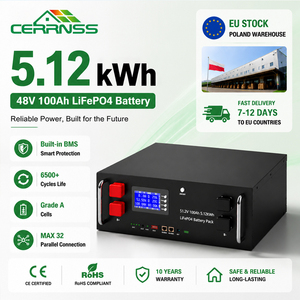
Electrification Subsidies & Corporate ESG Metrics: Swedish corporate entities are aggressively restructuring commercial delivery fleets to satisfy ESG compliance standards. Electric fleets featuring zero direct emissions and 6500+ cycle LiFePO4 batteries deliver low total cost of ownership (TCO).
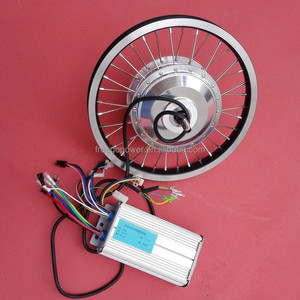
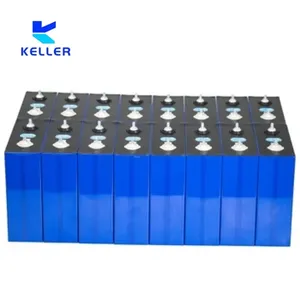
Demand for Interchangeable & Modular Powertrains: Distributing motorcycles across Northern Europe requires modular assembly structures. OEM customers utilize our SHINEGLE PMSM drive systems and modular LiFePO4 packs to produce bespoke models customized for local road safety tests (Transportstyrelsen approval).
Compliance & Standards Checklist for Exporting to Sweden
All vehicles and components supplied by our factory hold full European Union Type-Approval framework compliance (Category L3e e-motorcycles), carrying complete CE certifications, RoHS material safety compliance, REACH environmental verification, and UN38.3 lithium battery transport credentials.
As an established global OEM/ODM manufacturer specializing in aerospace-inspired electric motorcycles, we combine cutting-edge Southern California R&D philosophies with scalable industrial production capabilities. We supply turnkey vehicles and standalone powertrain kits engineered to outclass competitors on energy efficiency, structural weight, and maintenance simplicity.
Aerospace Structural Engineering
Folded aircraft-grade aluminum chassis designs eliminate heavy weld lines, providing maximum structural rigidity at a fraction of traditional frame weights for enhanced maneuverability.
ASI Controller & PMSM Integration
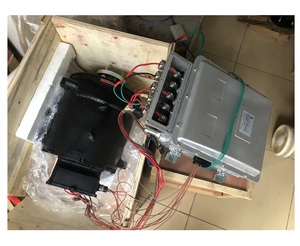
Equipped with industry-leading Field-Oriented Control (FOC) motor controllers for silky smooth throttle modulation, customizable regen profiles, and maximum energy recovery conversion efficiency.
Zero-Maintenance Drive System
Carbon-reinforced belt drive options eliminate messy chain lubrication and adjustment, offering silent operation and seamless power transfer with zero engine oil requirements.
Factory Capabilities & Quality Assurance Protocol
Our manufacturing complex operates under strict ISO 9001:2015 quality management protocols. Every motorcycle chassis, battery module, and electronic controller undergoes rigorous end-of-line testing:
Dynamic Dyno & KERS Calibration: Every drive unit is calibrated on simulated road dynos to verify torque curves, speed boundaries, and regenerative braking voltage return stability.
Environmental Vibration & Freeze Chamber Testing: Sub-assemblies undergo 48-hour thermal shock cycles (-30°C to +60°C) and high-G vibration sweeps to guarantee durability across Scandinavian winters.
Comprehensive Warranty Support: We offer Swedish enterprise partners a 10-year warranty program on select LiFePO4 battery architectures and dedicated spare parts provisioning for commercial fleets.
Frequently Asked Questions for Swedish Buyers & Fleet Managers
Below are authoritative answers to common engineering, logistical, and commercial inquiries regarding our electric motorcycles and regenerative braking components destined for Sweden.
Our systems utilize variable FOC controllers equipped with intelligent traction monitoring. Rather than applying harsh step-function motor braking, reverse torque scales progressively. Furthermore, riders can switch between customizable regen maps via the handlebar display—reducing regen intensity during freezing road conditions to prevent rear tire lockup.
Yes. Complete motorcycles and drive systems are built in compliance with EU Regulation 168/2013 for L3e category vehicles. We supply complete Certificates of Conformity (CoC) and CoC documentation packages required by Transportstyrelsen (Swedish Transport Agency) for immediate road homologation.
Our battery packs feature dual-charging architecture. Vehicles can plug directly into standard Swedish 230V 50Hz Schuko wall outlets using onboard chargers, or adapt seamlessly to public Type 2 AC charging stations ubiquitous throughout Stockholm, Gothenburg, and highway charging hubs.
Our premium LiFePO4 (Lithium Iron Phosphate) modules deliver 6,500+ charge cycles at 80% Depth of Discharge (DoD). Under normal daily urban commuting patterns in Sweden, this translates to over 10 years of reliable service life before significant capacity fade occurs.
Absolutely. As a direct factory supplier, we offer extensive OEM/ODM customization options—including custom colorways (such as Galactica Black, Atomic Gold, Carbon Grey), custom fleet branding, variable battery capacities (72V 20Ah to 50Ah+), and custom controller tuning for specialized municipal or commercial fleet requirements.
Standard OEM container shipments directly serve major Swedish maritime entry points including the Port of Gothenburg and Port of Stockholm. Lead times typically range from 30 to 45 days post-production, backed by full DDP or FOB freight options, UN38.3 battery transport clearance, and customs documentation handling.
Accelerate Your Fleet Electrification in Sweden
Partner with an industry-leading OEM manufacturer of aerospace-inspired electric motorcycles, PMSM controllers, and intelligent regenerative braking systems today.