
Popular destinations
Popular destinations
Direct factory supply of high-end frames, high-torque drivetrain packages, modular battery enclosures, and fleet charging infrastructure engineered for Latin American operations.
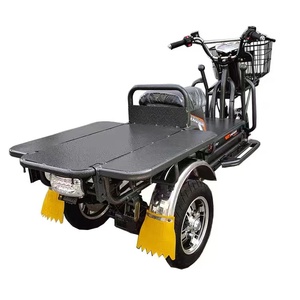
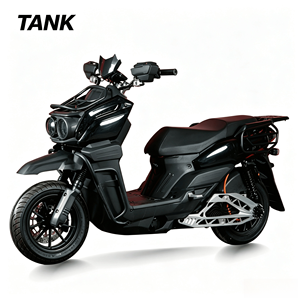
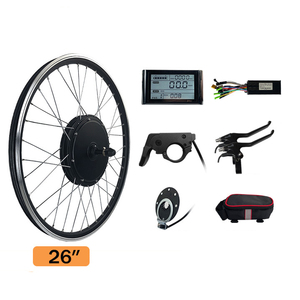
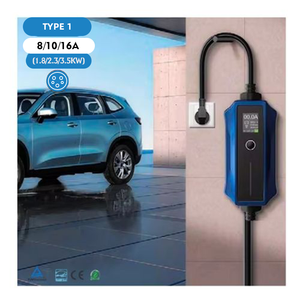
Utilizing high-pressure fluid shaping to eliminate weak weld joints, creating ultra-lightweight yet rigid structural frames inspired by aerospace architecture.
Multi-stage cathodic electrodeposition (KTL) and double-layer polyurethane powder coating engineered specifically for Panama's 85%+ humid tropical marine climate.
Custom extruded down-tube and mid-frame enclosures designed for seamless hot-swappable LiFePO4 / NMC battery integration with rainwater drainage channels.
Reinforced dropouts and CNC-machined mid-drive motor brackets designed to absorb up to 160Nm of instant torque from high-power brushless hub and mid-motors.
Powered linear seat actuators and modular swingarms allowing multi-rider ergonomics across commercial delivery fleets and commuter shared-mobility programs.
Optimized CKD/SKD frame packaging geometries engineered to maximize container loading density and reduce import tariffs via Panama's free trade hub.
Compare frame materials, structural certifications, and climate-proofing options for bulk manufacturing.
| Specification Parameter | 6061-T6 Aircraft Aluminum | 4130 Chromoly Steel Alloys | High-Tensile Carbon Steel |
|---|---|---|---|
| Tensile Strength (Ultimate) | 310 MPa | 700 MPa | 400 MPa |
| Yield Strength | 276 MPa | 600 MPa | 250 MPa |
| Corrosion Resistance Rating | Excellent (ISO 12944 C5-M Ready) | Moderate (Requires KTL E-Coating) | Basic (Requires Powder Coating) |
| Frame Weight (Medium Base) | 3.8 kg - 5.2 kg | 6.5 kg - 8.2 kg | 9.0 kg - 11.5 kg |
| Fatigue Test Standards | ISO 4210 / EN 15194 (200k cycles) | ISO 4210 Heavy Load (300k cycles) | Standard Commercial (100k cycles) |
| Recommended Application | Urban Commuter, Light Dirtbike, High-End EV | Heavy Delivery Fleets, Cargo Bikes | Budget Utility & Low-Speed Scooters |
The Republic of Panama stands at a pivotal geographical and economic crossroads in Central America. With the passage of Law 295 of April 25, 2022—which mandates national incentives for electric mobility, tax exemptions for electric vehicles (EVs), and aggressive electrification targets for public transport and commercial fleets—Panama is undergoing a rapid transition toward zero-emission micro-mobility. For distributors, fleet management companies, OEM brands, and local assemblers serving Panama City, Colón, David, and Boquete, sourcing high-durability electric bike (e-bike) frames and heavy-duty electric motorcycle chassis is no longer merely a procurement task. It is a core strategic engineering decision.
Operating electric light vehicles in Panama presents unique environmental and operational stress factors. From the high-salinity air of coastal ports along the Pacific Ocean and Caribbean Sea to the scorching tropical heat, heavy seasonal rainfall (lasting up to 9 months per year), and steep elevation gradients in the Chiriquí province, standard low-cost bicycle frames quickly succumb to structural fatigue, frame snapping, internal cable degradation, and rapid electrochemical corrosion. To achieve sustainable total cost of ownership (TCO) and safeguard brand reputation, Panama importers must partner with specialized electric bike frame factories capable of supplying aerospace-grade metallurgy, advanced hydroforming, robotic precision TIG welding, and marine-tier surface finishing.
Modern electric bike frames differ fundamentally from conventional human-powered bicycle frames. The integration of high-density lithium-ion battery packs (often weighing between 4.5 kg and 14 kg), mid-drive or rear hub motors generating up to 160Nm of instant torque, and payload capacities exceeding 150 kg introduces severe dynamic stress points. Our factory utilizes engineering principles derived from aerospace chassis design—focusing on optimizing strength-to-weight ratios, structural rigidity, and torsional stiffness.
Choosing the correct raw material matrix is the first line of defense in custom e-bike frame manufacturing. Our production lines specialize in three primary alloy categories engineered for specific commercial applications:
Before mass production tooling begins, every custom frame design undergoes rigorous Finite Element Analysis (FEA) simulation software. FEA allows our engineering team to simulate complex stress distribution under maximum acceleration, hard braking, curb drops, and high-frequency vibrations. High-stress zones—such as the head tube junction, bottom bracket housing, motor mounts, and rear dropouts—are reinforced with internal gussets and variable-wall hydroformed tubing.
Physical prototype frames undergo over 200,000 cycles of dynamic fatigue testing, vertical impact testing, and torsional rigidity testing in compliance with international standards ISO 4210 and EN 15194. This ensures that frames deployed in Panama maintain zero failure rates even under abusive commercial delivery cycles.
Panama's atmospheric conditions represent one of the harshest testing grounds for outdoor metallic equipment globally. Relative humidity consistently hovers between 80% and 95%, while maritime salt spray in Panama City's coastal belt (Cinta Costera, Amador Causeway) accelerates galvanic corrosion. Furthermore, intense tropical rainstorms create extreme risk for water ingress into frame cavities, leading to internal rust and electrical short circuits within integrated battery channels.
To deliver frame warranties up to 10 years in Panama's tropical maritime environment, our factory executes a rigorous 7-stage surface treatment protocol:
Electric bike frame geometry must protect sensitive electronic components. Our Panama-spec frames feature proprietary internal routing paths for wire harnesses, braking lines, and CAN-bus communication channels. Integrated down-tube battery compartments are fitted with dual-lip EPDM rubber gaskets, internal drainage channels, and stainless steel hardware (Grade 316) to ensure the frame maintains an IP67-rated enclosure environment for battery cells and BMS modules during heavy downpours.
The micro-mobility landscape in Panama is diverse, requiring tailored frame geometries across multiple sectors. Our factory supplies customized OEM/ODM frame platforms tailored to Panama's distinct commercial and geography-driven use cases:
Urban delivery services operating in dense commercial corridors—such as Calle 50, Vía España, San Francisco, and El Cangrejo—require high-endurance delivery e-bikes capable of 12 to 14 hours of continuous operation daily. Our commercial delivery frames feature:
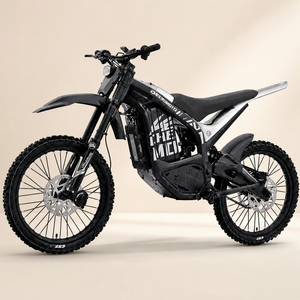
Panama's thriving eco-tourism sector demands robust off-road electric bikes and electric dirtbikes capable of tackling steep mountain trails, muddy rainforest terrain, and sandy coastal paths. For these applications, our factory manufactures:
Inside the Colón Free Zone—the largest free trade zone in the Western Hemisphere—security personnel, port operators, and logistics supervisors utilize utility electric scooters and light electric motorcycles for warehouse-to-dock transit. Our utility chassis feature compact wheelbases, heavy-duty 10-inch to 14-inch tubeless tire clearances, and step-through geometries for effortless mounting and dismounting.
Sourcing directly from an established electric bike frame factory offers significant strategic and financial advantages for businesses operating within Panama's logistics ecosystem:
Panama's unique position as a regional transshipment hub allows importers to leverage the Colón Free Zone (CFZ) or Panama Pacifico Special Economic Area. By importing high-density Complete Knock-Down (CKD) or Semi-Knock-Down (SKD) frame sets and assembly kits into the CFZ, importers can:
Our manufacturing plant provides comprehensive OEM and ODM support for brands seeking to launch proprietary e-bike models in Panama:
Everything Panama importers, fleet buyers, and OEMs need to know about structural engineering, compliance, and customs clearance.
Panama's high relative humidity (often exceeding 85%) and coastal salt air cause severe internal and external rust on low-grade carbon steel frames within months. 6061-T6 aluminum alloy offers exceptional natural corrosion resistance, lightweight handling for riders, and a high strength-to-weight ratio. When combined with our multi-stage KTL electrodeposition coating, 6061-T6 frames easily achieve a 10+ year operational lifespan in tropical climates.
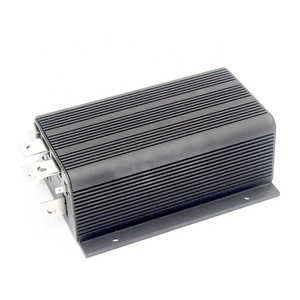
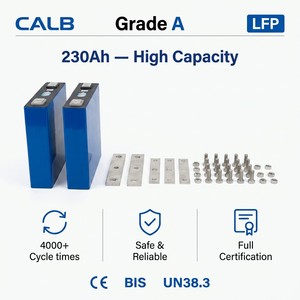
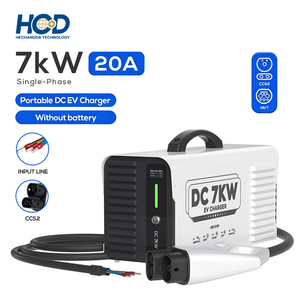
Yes. As a specialized OEM/ODM factory, we design frame geometries to accommodate industry-standard components, including Curtis motor controllers, Bafang / Ananda mid-drive motors, CALB / CATL prismatic LiFePO4 battery cells, and standard CCS2 or Type 2 charging ports. We provide full 3D CAD step files to ensure your engineering team can verify component fitment prior to mold mass production.
Panama's Law 295 mandates strict safety, efficiency, and quality standards for electric vehicles to qualify for tax exemptions and government fleet purchasing. Our frames are manufactured under ISO 9001:2015 quality management systems and pass ISO 4210 and EN 15194 fatigue and impact certifications, providing Panama customs authorities and regulators with verifiable compliance documentation.
For standard production frame geometries with custom paint and branding, our base MOQ starts at 50 units. For fully custom ODM hydroformed mold designs, MOQ is typically 200 units. Prototype sample lead time is 30-45 days, while full container production takes 35-40 days. Ocean freight transit from main ports to Balboa or Manzanillo International Terminal (MIT) in Panama takes approximately 22 to 28 days.
Yes. We specialize in space-optimized CKD and SKD packaging. Frames are individually wrapped in anti-static protective foam, fitted with custom-molded corner protectors, and stacked in high-density wooden crates or heavy-duty corrugated master cartons. This maximizes container utilization, reducing per-unit logistics costs by up to 40% for Panama free zone distributors.
We utilize automated robotic TIG welding for 100% of critical structural joints, ensuring uniform bead penetration and eliminating human error. Every production batch undergoes non-destructive ultrasonic weld inspection and dye-penetrant testing. Furthermore, post-weld T4/T6 heat treatment restores full mechanical strength to heat-affected zones (HAZ).
Building a successful electric mobility brand or commercial delivery fleet in Panama requires a manufacturing partner who understands both cutting-edge EV engineering and local operational realities. Our factory brings decades of combined aerospace structural expertise, state-of-the-art hydroforming technology, and uncompromising quality control to your supply chain.
Whether you are establishing a new electric motorcycle line, upgrading an existing fleet to heavy-load commercial standards, or seeking high-volume frame supply through the Colón Free Zone, our engineering squad is prepared to support your project from initial CAD drafting to final port delivery.
Contact our engineering and enterprise sales specialists today for technical consultations, CAD drawings, factory audit reports, and direct OEM price quotes.
Send an Inquiry