
Popular destinations
Popular destinations
Factory-direct OEM modular energy solutions engineered for tropical heat resilience, high C-rate performance, and seamless inverter compatibility across Ghana.
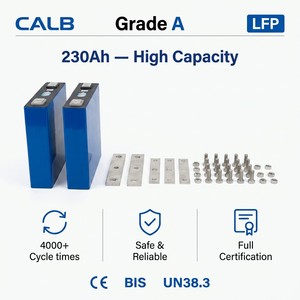
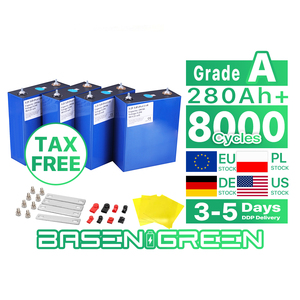
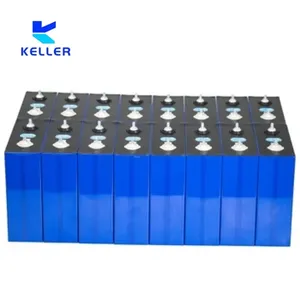
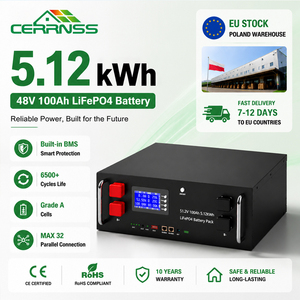
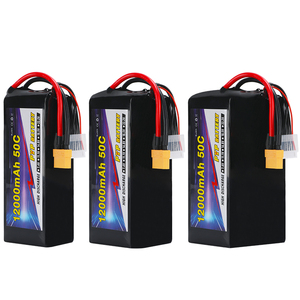
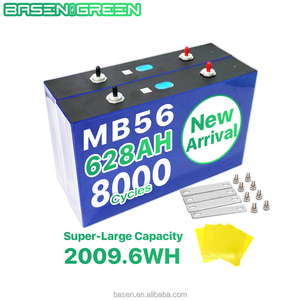
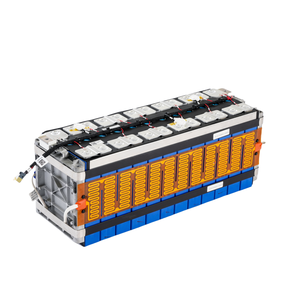
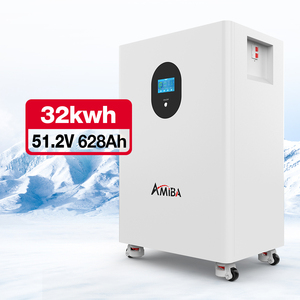
Ghana is currently undergoing a massive structural shift in its energy economy. As the Electricity Company of Ghana (ECG) and Northern Electricity Distribution Company (NEDCo) face persistent grid fluctuations, thermal generation fuel costs, and load-shedding challenges locally referred to as "Dumsor", business enterprise operators, solar EPC integrators, telecommunication giants, and commercial developers across Greater Accra, Kumasi, Takoradi, and Tamale are rapidly transitioning from legacy lead-acid and diesel generators to advanced Lithium Iron Phosphate (LiFePO4) battery energy storage systems (BESS).
Direct B2B procurement of wholesale lithium battery modules from established Chinese OEMs offers Ghanaian project developers a decisive competitive advantage: substantial capital expenditure reduction (up to 40% compared to European brands), certified thermal stability under West Africa's harsh climatic conditions, and modular scalability ranging from 5kWh residential power walls to Megawatt-hour (MWh) containerized solar storage systems.
Furthermore, with the parliament of Ghana promoting green energy adoption under the Renewable Energy Master Plan (REMP), local duty exemptions on solar hardware imports mean that high-density LFP modules imported directly through the Port of Tema or Takoradi yield maximum Return on Investment (ROI) for commercial energy projects.
Standard lithium battery packs engineered for temperate European or North American climates often suffer accelerated thermal degradation, cell swelling, and premature BMS shutdown when exposed to West Africa's ambient humidity and high working temperatures. Our factory-engineered lithium modules integrate specialized tropicalization protocols:
While NMC (Nickel Manganese Cobalt) offers high energy density, its thermal runaway threshold sits around 210°C. In contrast, LiFePO4 chemistry remains structurally stable up to 500°C, eliminating fire risks during intense afternoon heat spikes in Northern Ghana or heavy continuous power draw in Accra's industrial zones. LiFePO4 cells deliver over 6,500 continuous deep cycles at 80% Depth of Discharge (DoD), yielding a operational lifespan exceeding 12 to 15 years.
Every OEM module supplied to the Ghanaian market features a heavy-duty industrial Battery Management System (BMS) supporting continuous discharge rates from 0.5C to 2C. Features include:
High coastal humidity in cities like Tema, Sekondi-Takoradi, and Cape Coast creates atmospheric salinity that degrades unprotected battery terminals. Our modules utilize heavy-gauge cold-rolled steel or aluminum alloy cabinets coated with anti-corrosive powder finishes rated to IP65, featuring isolated airway channels to keep salt spray and dust away from sensitive electronics.
Understanding where and how lithium battery modules are deployed across Ghana enables wholesale buyers to select the precise module specifications (voltage, capacity, C-rating, and form factor) required for maximum field reliability.
Factories in Spintex, Tema Free Zones, and Kumasi Industrial Hub utilize high-voltage 51.2V 200Ah–300Ah rack-mounted LFP modules linked in series/parallel to store peak solar generation, peak-shaving high ECG tariffs and maintaining uninterrupted production during grid outages.
Telecommunication tower operators (MTN, Telecel, AT Ghana) deploy compact 48V 100Ah/150Ah 19-inch rack modules to replace noisy diesel generators at off-grid rural base transceiver stations (BTS), lowering diesel logistics costs by up to 80%.
Homeowners in East Legon, Cantonments, Ahodwo, and suburban developments heavily adopt 51.2V 10kWh to 30kWh Power-Wall and floor-standing LiFePO4 batteries paired with hybrid solar inverters for continuous 24/7 household energy independence.
Gold mining facilities and agricultural processing centers in Obuasi, Tarkwa, and Sunyani rely on heavy-duty customized 12S/16S lithium power packs for remote equipment, monitoring systems, and heavy electric transport fleets.
Ghana’s emerging electric vehicle ecosystem (e-rickshaws, electric delivery fleets, e-motorcycles) utilizes lightweight 72V, 60V, and 48V OEM custom modular packs (e.g., CALB 230Ah cells) designed for fast charging and vibration resistance.
Government and non-governmental mini-grid projects supplying isolated island communities along Lake Volta install containerized 300Ah–628Ah prismatic battery banks for reliable village electrification.
Navigating international lithium sourcing requires adherence to strict battery manufacturing standards, shipping protocols for Dangerous Goods (Class 9 Hazmat), and local Ghanaian regulatory compliance.
Not all lithium cells sold online are created equal. As an authoritative Chinese OEM manufacturer, we enforce strict internal quality control metrics before any module leaves our automated assembly lines:
To ensure rapid customs clearance at Tema Port and compliance with the Ghana Standards Authority (GSA) and Energy Commission regulations, all shipment documentation packages include:
We offer end-to-end logistics solutions tailored for Ghanaian procurement partners:
FOB / CIF Tema & Takoradi Ports: Direct sea freight routing from Ningbo, Shenzhen, or Shanghai ports via major shipping lines (MSK, CMA-CGM, COSCO). Transit time averages 30 to 40 days. Dangerous Goods (DG) UN-certified wooden boxes with heavy shock absorption foam ensure total structural protection.
DDP (Delivered Duty Paid) Door-to-Door Services: For local solar contractors and distributors who prefer a hands-off import process, our logistics partners manage custom clearance at Tema, tariff assessment, local tax compliance, and bonded trucking straight to your project site or distribution warehouse in Accra, Kumasi, or Tamale.
Essential answers to help solar integrators, project managers, and wholesalers streamline their lithium module procurement from China.
Partnering directly with an established Chinese factory eliminates intermediary markups, guarantees genuine cell grading, and provides direct engineering access for project customization:
Robotic sorting equipment screens 100% of cell inventory for capacity, voltage, and internal resistance consistency before module assembly.
Heavy-duty copper busbars are laser-welded using automated multi-axis arms to eliminate micro-cracks and reduce electrical impedance.
Every completed module undergoes 100% charge-discharge burn-in cycling and high-voltage insulation breakdown tests prior to packaging.
Our engineering team works hand-in-hand with West African energy contractors to optimize hardware design, simplify site installation, and maximize overall operational profitability. Whether you require modular 48V rack units for telecommunications or containerized energy storage for mining operations, our direct factory production capability guarantees precision engineering delivered on schedule.
Empower your Ghanaian solar projects, telecom towers, and commercial energy storage operations with certified Tier-1 LiFePO4 battery technology at direct manufacturer pricing.
Get a Quote