
Popular destinations
Popular destinations
Explore our factory-direct inventory engineered for optimal rear brake calibration, electronic speed control, and heavy-duty electric powertrain integration across Southeast Asia.
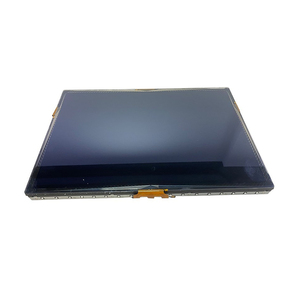
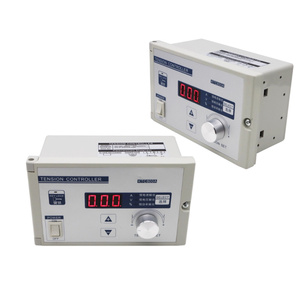
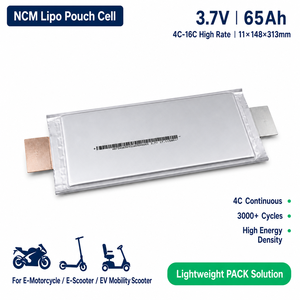
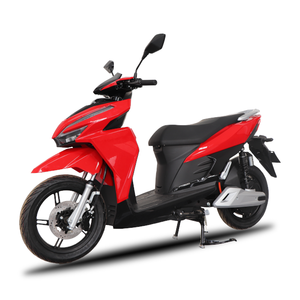
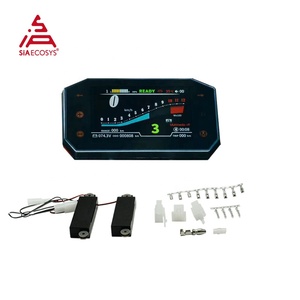
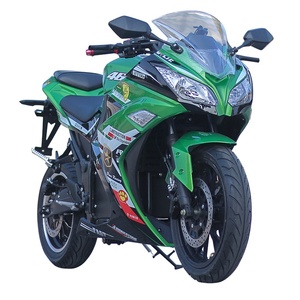
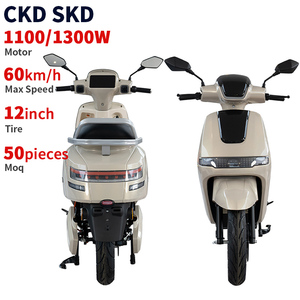
Integrated rear brake force distribution aligning physical hydraulic pressure with real-time motor regenerative braking torque to prevent wheel lockups on wet asphalt.
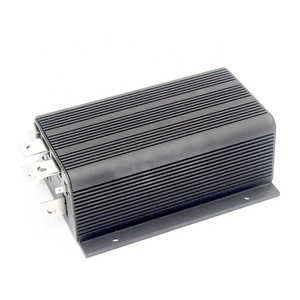
Pre-programmed firmware parameters tuned for Curtis 1205M and ASI controllers, delivering smooth torque hand-offs and precise deceleration curves under heavy urban loads.
Complete OEM calibration kits tailored for Malaysian motorcycle assemblers, ensuring total compliance with Road Transport Department (JPJ) safety standards.
As the electrification of two-wheeled transportation accelerates across Southeast Asia, motorcycle manufacturers, assemblers, and fleet management operators in Malaysia face unique engineering hurdles. Unlike conventional internal combustion engine (ICE) motorcycles—where braking relies purely on friction discs and mechanical fluid dynamics—modern high-performance electric motorcycles operate on a dual-layer deceleration system. This system merges mechanical hydraulic braking with kinetic energy recovery system (KERS) electronic deceleration.
Mastering China Wholesale Electric Motorcycle Rear Brake Calibration Factories & Supplier for Malaysia requires more than off-the-shelf components. It demands deep aerospace-inspired structural engineering, sophisticated field-oriented control (FOC) controller tuning, and environmental hardening engineered specifically for tropical equatorial climates. This industry guide outlines the exact calibration protocols, component synergy, and B2B sourcing strategies necessary to build safer, more reliable, and JPJ-compliant electric two-wheelers for Peninsular and East Malaysia.
Engineering Benchmark: Electro-Hydraulic Brake (EHB) calibration must maintain braking deceleration stability within ±0.03g under extreme humidity conditions exceeding 90% RH and operating ambient temperatures of up to 38°C in Malaysian urban heat islands.
When an electric motorcycle rider engages the rear brake lever, two distinct braking torques are generated simultaneously: the mechanical braking torque from the hydraulic caliper gripping the rear rotor, and the electromagnetic braking torque generated by the hub or mid-drive motor operating in generator mode. If these two forces are not calibrated with sub-millisecond precision, several dangerous failure modes can occur:
Our OEM supply facilities utilize advanced digital calibration interfaces compatible with industry-standard controllers such as the Curtis Motor Controller 60-72V 400A (1205M-6B403) and upgraded Accelerated Systems Inc. (ASI) sine-wave controllers. By fine-tuning the proportional-integral-derivative (PID) loop parameters within the controller software, our engineers establish smooth transitions across three distinct phase zones:
| Braking Phase Zone | Brake Lever Travel | Regen Torque Allocation | Hydraulic Pressure Ratio | Calibration Objective |
|---|---|---|---|---|
| Zone 1: Initial Touch | 0% – 15% | 80% – 100% | 0% | Kinetic energy harvesting & micro-deceleration without disc wear. |
| Zone 2: Combined Braking (CBS) | 15% – 60% | Linear Ramp to Max Limit | 30% – 70% Progressive | Optimal stopping distance with smooth chassis pitch stabilization. |
| Zone 3: Emergency Stopping | 60% – 100% | ABS Modulated Safe Threshold | 100% Mechanical Output | Maximum deceleration preventing rear axle lockup and skid. |
To successfully capture wholesale market share in Malaysia, China factories must tailor component specifications to local operational environments. Malaysia's National Energy Transition Roadmap (NETR) is pushing aggressive EV adoption quotas across logistics fleets and personal mobility. However, local road conditions present unique demands:
During the heavy monsoon seasons in states like Kelantan, Terengganu, and Klang Valley urban flash floods, rear wheel assemblies are frequently submerged in water. Brake calibration components—including hall effect brake sensors, electronic throttle cut-offs, and rear motor encoders—must achieve full IP67 waterproofing. Hydraulic brake fluid specifications are upgraded to DOT 4.1 or DOT 5.1 with higher wet boiling points to prevent vapor lock when moisture ingress occurs in humid tropical ambient conditions.
Commercial e-motorcycle fleets operating in high-density traffic across Kuala Lumpur, Petaling Jaya, and Penang perform over 300 stopping cycles per hour. Brake wear is the number one maintenance expenditure for fleet operators. By engineering custom rear brake calibration profiles that maximize low-speed regenerative deceleration down to 3 km/h, brake pad life is extended by up to 300%, reducing fleet downtime and operational expenditure (OPEX).
Vehicles registered under Malaysia's Road Transport Department (Jabatan Pengangkutan Jalan / JPJ) must comply with stringent Type Approval (VTA) regulations. Electromagnetic Compatibility (EMC) testing and mechanical braking distance thresholds aligned with UNECE R78 are mandatory. Our factory OEM calibration systems provide pre-certified telemetry data logs and test certificates, drastically streamlining the local VTA process for Malaysian importers and CKD assembly plants.
As a leading China wholesale manufacturing partner, our production lines combine military-grade aerospace chassis engineering with state-of-the-art automated diagnostic testing. Grounded in years of advanced EV research and California-inspired modular design concepts, our factory capabilities deliver unmatched value to global distributors: