Popular destinations
Popular destinations
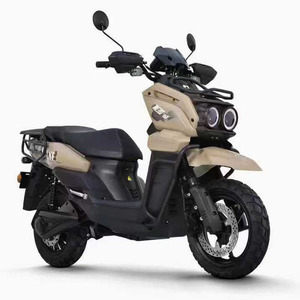
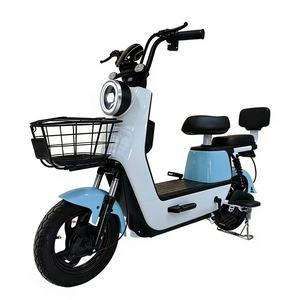
As the industrial capital of Japan's Chubu region and the hub of Aichi Prefecture, Nagoya represents a crucial strategic market for urban electric mobility deployment. Recognized globally for automotive engineering excellence, the Nagoya metropolitan area is experiencing a rapid structural shift in last-mile parcel distribution, corporate fleet decarbonization, and personal urban commuting. Local commercial operators in busy urban hubs such as Sakae, Meieki (Nagoya Station district), and Naka Ward are actively replacing legacy 50cc–125cc Internal Combustion Engine (ICE) mopeds with high-efficiency electric two-wheelers.
Navigating the Japanese market requires strict adherence to local regulatory frameworks established by the Ministry of Land, Infrastructure, Transport and Tourism (MLIT) under the Road Transport Vehicle Act (道路運送車両法). Electric motorcycles imported into Nagoya must comply with defined output power classifications:
| Vehicle Class (Japan MLIT) | Motor Power Rating | ICE Equivalent | Nagoya Road Access & Speed Limits |
|---|---|---|---|
| Class 1 Moped (原付一種) | Rated Power ≤ 0.6 kW | Below 50 cc | 30 km/h speed cap, requires two-stage right turn (二段階右折) at designated Nagoya intersections. |
| Class 2 Moped (原付二種) | 0.6 kW < Rated Power ≤ 1.0 kW | 50 cc to 125 cc | 60 km/h legal limit, standard right turn permitted, exempt from two-stage rule, ideal for Sakae delivery fleets. |
| Light Motorcycle (軽二輪) | 1.0 kW < Rated Power ≤ 20.0 kW | 125 cc to 250 cc | Highway legal on Nagoya Expressway (名古屋高速道路), standard motorcycle licensing required. |
For B2B fleet buyers, retail distributors, and mobility operators across Nagoya, procuring wholesale demo units from established Chinese Original Equipment Manufacturers (OEM) offers an unprecedented information gain and cost advantage. By utilizing direct factory demo programs, Japanese commercial buyers can evaluate real-world range degradation during colder Aichi winters, test brake system durability on hilly terrain such as Showa and Mizuho Wards, and verify seamless compatibility with Japan’s domestic 100V AC charging outlets and public CHAdeMO quick-charge networks via specialized adapters.
Drawing direct technical lineage from lightweight aerospace construction principles—similar to the pioneering monocoque frameworks seen in advanced electric vehicle platforms—our Chinese OEM manufacturing infrastructure integrates aircraft-grade folded aluminum chassis technology with robotic automated assembly lines.
By using folded aerospace-grade aluminum alloy sheets rather than heavy tubular steel, chassis structural weight is reduced by up to 35% while increasing torsional rigidity. This low center of gravity ensures exceptional stability when negotiating sharp urban corners in dense Nagoya traffic.
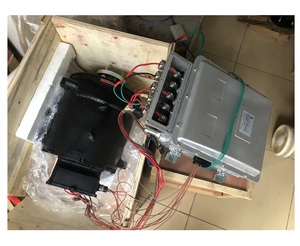
Utilizing high-voltage Field Oriented Control (FOC) vector drives, such as the SHINEGLE 384V 60kW–110kW PMSM Controller platform or field-upgradable ASI controllers, our powertrains deliver linear torque response from 0 RPM with smooth, jerk-free acceleration preferred by Japanese test riders.
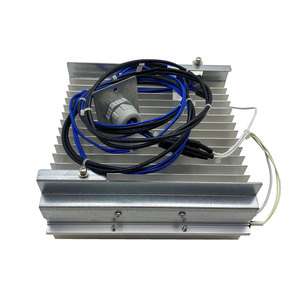
Manufacturing precision is guaranteed through automated industrial robotics using original FANUC R-30iB robot controllers equipped with heavy-duty regenerative discharge resistor units. Every motor rotor is dynamically balanced under load to eliminate micro-vibrations.
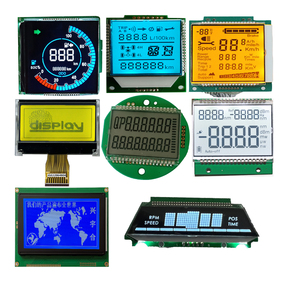
Crucial to Japanese market acceptance is long-term display legibility under varying weather conditions. Our demo electric motorcycles feature integrated High-Quality Custom TN LCD Display Modules engineered specifically for industrial machinery and automotive application. These screens feature wide viewing angles, anti-glare polarizers optimized for direct sunlight along the Meishin Expressway corridor, and full IP67 ingress protection against heavy rainy seasons (Tsuyu) in Central Japan.
To assist Nagoya-based commercial procurement managers in identifying exact operational fitment, we highlight four primary enterprise deployment models:
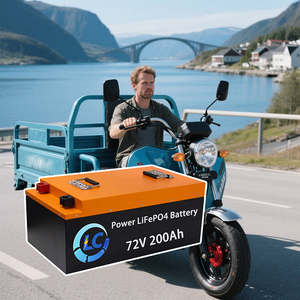
High-density commercial hubs require rapid stop-and-go performance. Class 2 Moped configuration demo bikes equipped with 72V 100Ah high-density lithium-ion battery modules provide up to 120 km of true urban range per charge. The integration of zero-maintenance belt drives or direct-drive hub motors eliminates chain grease contamination, minimizing vehicle downtime during intense delivery operations.
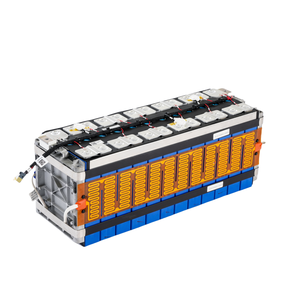
Within the massive automotive manufacturing supply chains surrounding Greater Nagoya (including Toyota City and Kariya), electric motorcycles serve as zero-emission courier transports between production plants and administrative buildings. Heavy-duty lithium modules (such as 38.4V 105Ah 4kWh modular units) allow rapid hot-swapping to enable continuous 24/7 facility operations.
Historic and cultural tourism routes extending from Nagoya Castle down through the revitalized Port of Nagoya district demand silent, zero-emission transportation. Demo units featuring customizable ergonomics—including electric powered seat height actuators—enable riders of varying heights to securely touch their feet to the ground, significantly boosting rider confidence for rental operators.
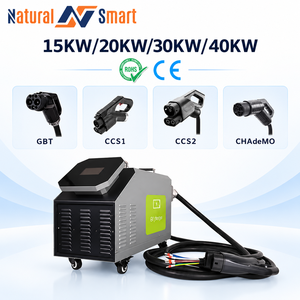
For educational institutions such as Nagoya University and Meijo University, fleet demo electric two-wheelers provide students and staff with clean transit options. Micro-EV charging docks utilizing portable 7kW to 20kW Level 3 DC chargers allow rapid top-ups during class hours.
Evaluating Total Cost of Ownership (TCO) over a standard 3-year commercial operating horizon in Japan demonstrates the financial advantage of fleet electrification:
| Metric / Specification | China Wholesale OEM Demo EV | Conventional Japanese 50cc-125cc ICE | European Premium Import EV |
|---|---|---|---|
| Initial Fleet Unit Procurement Cost | Low (Direct Factory Wholesale) | Moderate to High | Extremely High |
| 3-Year Energy & Fuel Expense | ~¥24,000 JPY (Off-peak Grid Charging) | ~¥135,000 JPY (Gasoline @ ¥175/L) | ~¥24,000 JPY (Electric) |
| Routine Maintenance Overhead | Near Zero (Brake pads & tires only) | High (Oil, spark plugs, belts, filters) | High (Proprietary service fees) |
| BMS Thermal Regulation | Integrated Cold-Weather Balancing | N/A (Cold-start fuel choke needed) | Integrated Passive Cooling |
| OEM Customization Capability | Full Custom (Colors, Logos, Displays) | Fixed Mass Production Specs | Limited Option Packages |
Choosing the right manufacturing partner in China requires verification of technological depth, institutional quality management systems, and reliable ocean freight routes to the Port of Nagoya (名古屋港).
Located directly across the East China Sea, our manufacturing hubs maintain direct container liner shipping channels to Nagoya Port. Standard demo unit shipment times range between 5 to 8 days port-to-port, ensuring swift fulfillment of enterprise sample evaluations and rapid ramp-up for bulk orders.
All lithium-ion battery modules (48V, 60V, 72V up to 200Ah) undergo rigorous safety testing adhering to Japanese Electrical Appliance and Material Safety Law (PSE Mark) guidelines and Society of Automotive Engineers of Japan (JASO) vibration protocols.
We supply complete spare component kits for local Nagoya mechanics, including plug-and-play TN LCD dashboard panels, replacement SHINEGLE PMSM drive controllers, custom wiring harnesses, and secondary discharge resistors for regenerative braking maintenance.
Address common technical, regulatory, and shipping inquiries raised by Japanese commercial buyers prior to placing wholesale demo orders.
Partner with China's leading aerospace-inspired electric motorcycle manufacturer. Evaluate our sample demo vehicles, customized TN LCD modules, high-density lithium packs, and FOC drive controllers for your commercial network in Greater Nagoya.
Send an Inquiry