Grid & Voltage Compatibility
Supporting Level 1 (110V/120V) standard wall outlets, Level 2 (208V-240V) J1772/Type 2 public infrastructure, and direct high-current DC swapping bays for 48V–96V nominal lithium systems.
Popular destinations
As commercial urban mobility shifts from pilot projects to full-scale fleet deployments, international buyers face complex engineering decisions regarding charge rates, grid loads, thermal safety, and modular dock architecture. This authority guide breaks down technical specifications, systemic integration, and operational economics.
Supporting Level 1 (110V/120V) standard wall outlets, Level 2 (208V-240V) J1772/Type 2 public infrastructure, and direct high-current DC swapping bays for 48V–96V nominal lithium systems.
Engineered to minimize charge-cycle thermal degradation, leveraging CAN-bus communication with BMS to prolong cell health over 2,000+ deep-discharge operational cycles.
Industrial IP65 and IP67 weather-sealed charging enclosures designed to withstand extreme temperature ranges (-20°C to +55°C), high-humidity tropical coastal zones, and heavy washdown depots.
Compliant with OCPP 1.6J / 2.0.1 telematics and ISO 15118 protocols for automated authorization, load balancing, dynamic tariff scheduling, and cloud fleet management.
From portable on-board charge management modules to heavy-duty depot battery dock banks, explore high-efficiency energy transfer hardware built to aerospace-grade engineering standards.

High-Density Depot Infrastructure for Fleet Swapping Operations
Designed for high-frequency last-mile delivery fleets, security patrols, and rental networks, these modular docking bays support simultaneous rapid charging of individual 4.3 kWh removal battery packs. Equipped with integrated active liquid or forced-air cooling, individual status displays, and CAN-bus battery health diagnostics.
Universal J1772 & Type 2 Plug-and-Play Electric Motorcycle Chargers
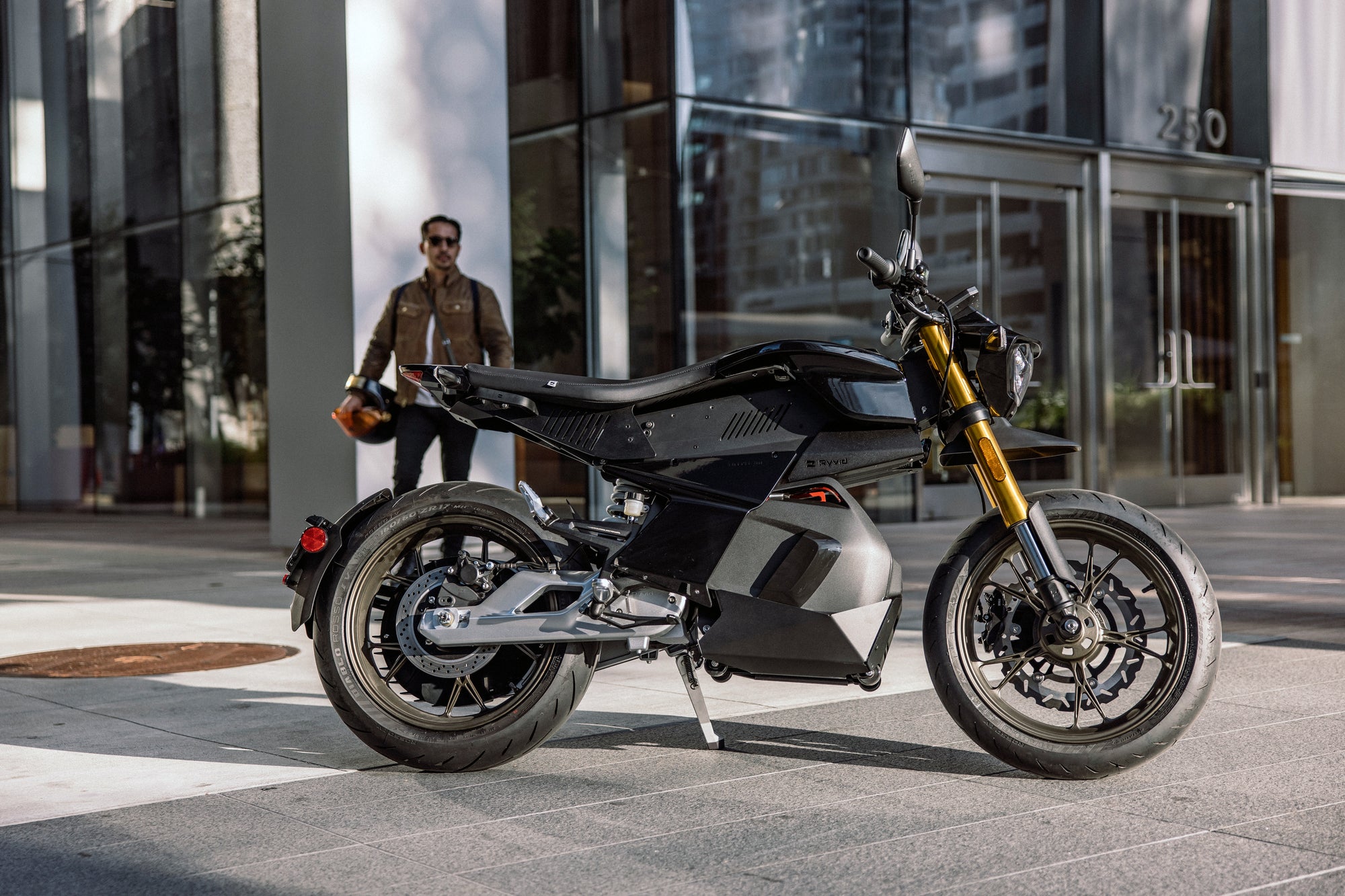
Engineered directly into lightweight electric motorcycle frames like the Ryvid Anthem, or available as ruggedized off-board flight-case charging units. Utilizing Gallium Nitride (GaN) and Silicon Carbide (SiC) power switching components, these chargers achieve 96.5% energy conversion efficiency, reducing thermal loss and dramatically cutting charge time from empty to 80% in under 75 minutes.

Self-Contained Power Distribution Units for Remote & First Responder Deployment
For police departments, emergency response agencies, and off-grid adventure operations, these heavy-duty charging terminals interface with solar microgrids, stationary battery storage banks, or mobile diesel-generator trailers. Features dual-gun output and isolated circuit protection for extreme environment reliability.
Global regulatory shifts, grid optimization needs, and battery chemistry advancements are reshaping how B2B buyers procure charging hardware. Stay ahead with key macro trends.
International standards such as UN ECE R136 and regional EU/Asian battery swapping consortium guidelines are driving unified physical dimensions and pinout configurations. Sourcing modular charging docks that adjust dynamically to varying pack form factors ensures long-term asset protection against vehicle fleet refreshes.
Modern electric motorcycle charging equipment is no longer unidirectional. High-efficiency bi-directional chargers enable fleets of electric motorcycles to serve as localized energy storage systems (BESS), backfeeding electricity into corporate facility grids during peak tariff hours or powering field operations on demand.
Traditional transformer-based chargers are rapidly being replaced by high-frequency SiC-based power conversion modules. This transition halves hardware weight and footprint while increasing power density by up to 300%, enabling compact on-board charger integration without compromising motorcycle chassis balance or adding unwanted sprung weight.
Deploying 50+ electric motorcycles at a single logistics depot can strain municipal transformer capacities. Next-generation charging equipment leverages cloud-managed dynamic load sharing algorithmically adjusting amperage per bay depending on route priority, battery State-of-Charge (SoC), and real-time electricity rates.
Eliminating RFID cards, manual apps, and credit card readers, ISO 15118 implementation allows the vehicle and charger to execute secure cryptographic handshakes instantly upon cable connection. Fleet vehicles automatically begin high-speed charging while automatically logging energy consumption per driver/unit in backend management consoles.
For remote industrial sites, agricultural monitoring fleets, and military installations, autonomous off-grid charging pods combining photovoltaic solar arrays, stationary buffering batteries, and multi-bay motorcycle chargers offer zero-emission energy security independent of localized utility grid infrastructure.
Delivering higher amperage without thermal compromise requires cutting-edge electrical design, predictive software modeling, and aerospace structural materials.
The primary constraint in rapid charging electric motorcycle lithium batteries (NMC and LFP chemistries) is thermal buildup inside the cells. Advanced charging equipment integrates active CAN-bus feedback loops that sample internal battery thermistors 100 times per second.
By employing intelligent multi-stage Constant Current / Constant Voltage (CC/CV) profiling, the equipment throttles current smoothly during thermal peaks and trickles current dynamically past 80% SoC, preventing lithium plating, extending battery cycle life by up to 40%, and maintaining total operational safety.
Following Ryvid's aerospace design heritage, modern charger enclosures leverage extruded anodized aluminum chassis rather than heavy steel or fragile plastics. The enclosure itself acts as a passive thermodynamic heat exchanger with micro-finned radiator surfaces.
This eliminates noisy cooling fans in lower-power units, preventing ingress of dust, mud, and water while maintaining full rated power output even in direct desert sunlight and harsh industrial depot environments.
Essential answers for technical directors, fleet managers, and supply chain managers evaluating Electric Motorcycle Charging Equipment purchases.
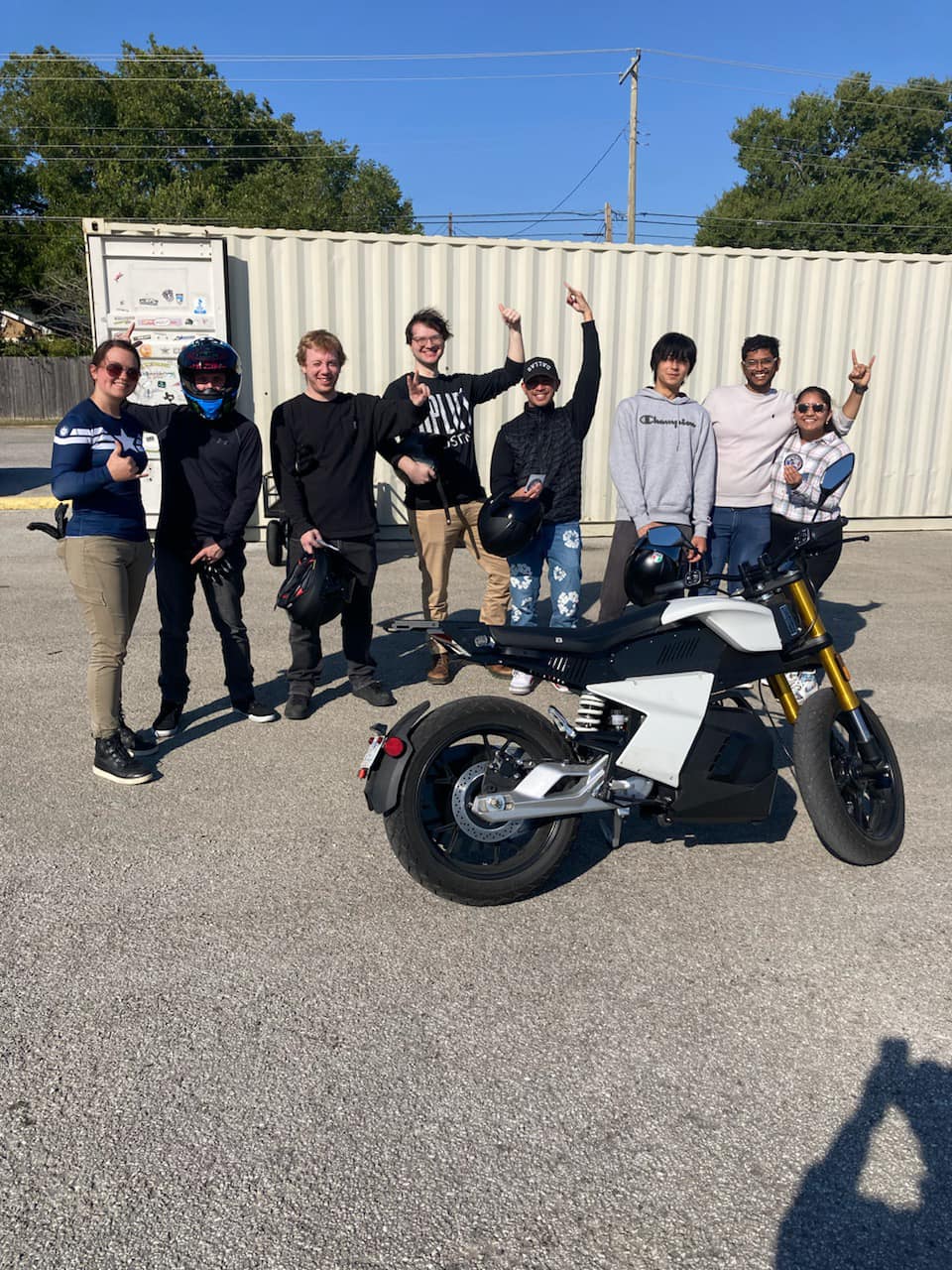
Headquartered and engineered in Southern California, Ryvid blends aerospace manufacturing precision with agile electric powertrain innovation, offering robust enterprise OEM solutions.
Our engineering team applies aerospace structural integrity and thermal management standards to all EV power electronics, ensuring max reliability under rigorous commercial operation.
Direct communication with our primary hardware engineers in California, providing rapid protocol adaptation, customized charging profiles, and transparent supply chain sourcing.
Structured B2B commercial programs offering volume discounts, direct factory staging, custom integration manual documentation, and comprehensive technical training modules.
Tested over millions of commercial and commuter miles across our Anthem and OUTSET motorcycle lines, ensuring our charging hardware delivers consistent power delivery.
From daily urban commuters to commercial delivery operators, our power charging infrastructure and electric motorcycles perform reliably across diverse international environments.







Request our full B2B Electric Motorcycle Charging Equipment technical catalogue, OEM/ODM customization guidelines, and direct fleet pricing documentation.