Popular destinations
Popular destinations
Engineered for industrial automation, high-end light electric vehicles (LEVs), fleet mobility, and precision regenerative braking controls.
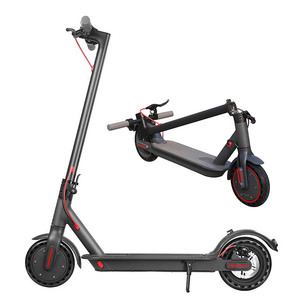
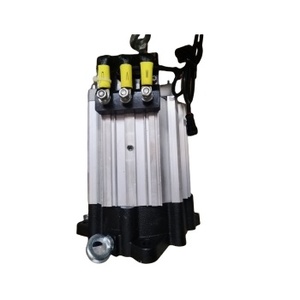
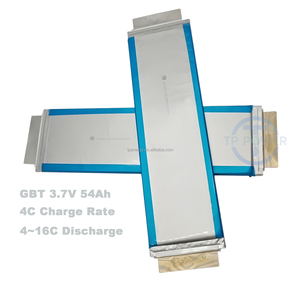
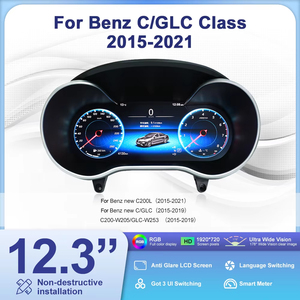
In modern electromechanical power transmission, Brushless DC (BLDC) motors and Permanent Magnet Synchronous Motors (PMSM) have transitioned from alternative propulsion solutions to foundational components across industrial automation, urban mobility, aerospace systems, and commercial electric vehicles. Unlike legacy brushed DC motors—which suffer from mechanical friction, carbon brush wear, thermal buildup, and electromagnetic interference (EMI)—BLDC motor systems rely on electronic commutation driven by advanced Field Oriented Control (FOC) sinusoidal inverters.
Selecting top trusted Brushless DC motor manufacturers requires an in-depth evaluation of stator lamination topology, magnet chemistry grade (e.g., high-coercivity NdFeB ratings such as N45SH or N52H), winding slot fill ratios, and integrated power electronics. High-performance motor manufacturing must align mechanical thermal resistance with advanced digital control algorithms to maintain operational stability across extreme duty cycles.
The global sourcing ecosystem for BLDC power units is shifting toward higher integration, lighter aerospace-inspired structural chassis, and localized supply chain resiliency. Corporate procurement managers and enterprise system integrators are focusing on key technological trends during vendor evaluation:
Next-gen BLDC drive controllers leverage SiC MOSFETs to operate at higher switching frequencies (up to 100 kHz) with minimal switching losses, increasing overall drivetrain efficiency to over 98% under variable loads.
Pioneered by California electric vehicle engineering teams, extruded aluminum monocoque frames host the motor stator directly within structural cross-members, cutting weight while using the frame as a heat sink.
Procurement teams are shifting away from standalone motor sourcing toward fully integrated assemblies: BLDC motor + gearboxes + dynamic brake choppers + digital CAN-bus instrument clusters + smart BMS pouch battery modules.
| Performance Parameter | Standard Commercial BLDC Motors | Next-Gen Aerospace & Automotive Grade BLDC |
|---|---|---|
| Stator Lamination Thickness | 0.50 mm Silicon Steel | 0.20 mm - 0.35 mm Ultra-Low Loss Steel |
| Magnet Thermal Stability | 120°C Max (Grade N35-N40) | 180°C - 200°C High Coercivity (N45SH / N52H) |
| Commutation Control Scheme | Trapezoidal Block Commutation | Vector Field Oriented Control (Sinusoidal FOC) |
| Efficiency Curve Range | Narrow Peak (82% - 88%) | Wide Flat Efficiency Band (92% - 96.8%) |
| Ingress Rating Options | IP54 - IP65 | IP67, IP68 & Submersible IP69K |
Refined through continuous research, aerospace-inspired lightweight design principles, and rigorous field testing in Southern California, our motor and electric powertrain platform delivers uncompromised reliability for consumer, commercial, and enterprise fleet clients.
Our structural design leverages advanced stress-distribution geometries to maximize strength while shedding parasitic weight. This allows higher payload capacities, longer ranges, and minimal energy consumption per mile.
Featuring variable geometry motor placement and dynamic ergonomics, our electric platforms integrate powered linear actuators to instantly tune seat height and center of gravity for multi-rider fleets.
Engineered with heavy-duty brake choppers (such as NBRC series controllers) and advanced regenerative braking loops, kinetic deceleration energy is recovered and redirected back to the battery pack smoothly without wheel lockup.
We provide enterprise clients with complete product documentation, schematic drawings, custom firmware setup videos, and global maintenance support to keep uptime near 100%.
From 350W lightweight mobility drives to high-power 10KW 96V UTV/EV conversion powertrains, our components seamlessly interface with CAN-bus digital gauge dashboards, high-discharge pouch cells, and upgraded ASI power controllers.
By eliminating internal gears, oil changes, exhaust systems, and mechanical friction points, our brushless motors drastically reduce total cost of ownership (TCO) for municipal and commercial fleet buyers.
BLDC motors use electronic commutation instead of physical carbon brushes. This eliminates sparking, brush wear, mechanical friction losses, and high acoustic noise. BLDC motors offer substantially higher thermal efficiency, higher speed ranges, superior torque-to-weight ratios, and continuous operational lifespans exceeding 50,000 hours with near zero maintenance.
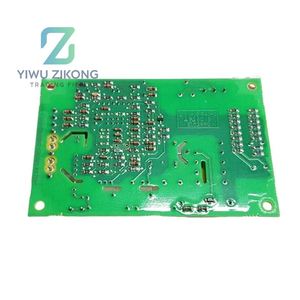
Field Oriented Control (FOC) converts 3-phase AC stator currents into orthogonal magnetic field components (d-axis for field flux and q-axis for torque generation). This sinusoidal control method reduces torque ripple and motor vibration while boosting low-end torque responsiveness. During deceleration, dynamic brake chopper boards (such as NBRC series controllers) regulate reverse EMF voltage spikes, safely channeling energy back into pouch battery cells while protecting electronics from over-voltage damage.
Higher system voltages decrease the current (Amperage) required to deliver equivalent power ($P = V \times I$). Operating at 72V or 96V reduces resistive thermal losses ($I^2R$) across copper windings and wiring harnesses, allowing smaller conductor cross-sections, reduced motor weight, and extended thermal endurance under heavy delivery loads.
Industrial and automotive procurement standards require ISO9001 or IATF 16949 manufacturing certification. For environmental sealing, units should meet minimum IP67 or IP69K ratings for total washdown protection. Magnet thermal ratings should specify at least Grade SH (150°C) or UH (180°C) to prevent irreversible magnetic degradation during prolonged peak duty cycles.
Yes. We offer fully integrated engineering design services including customized stator/rotor stack lengths, custom Kv ratings, specific shaft keyway geometries, specialized mounting flanges, and turnkey EV kits complete with matched controllers, gearboxes, liquid crystal dashboards, and battery management systems.
Speak directly with our senior electromechanical application engineers for custom BLDC motor designs, bulk procurement pricing, and technical datasheets.