Popular destinations
Popular destinations
Direct factory supply for high-discharge modules, off-road platforms, and precision control hardware.
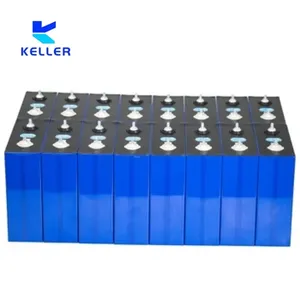

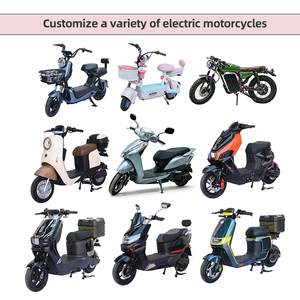
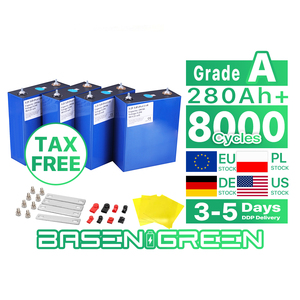
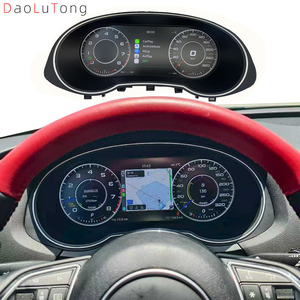
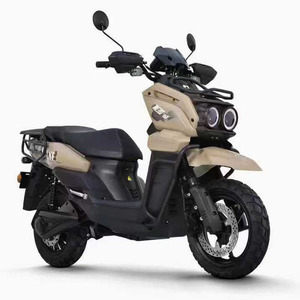
The global motorcycle manufacturing market is experiencing a structural transition driven by two main forces: the widespread adoption of high-torque electric powertrains and the demand for multi-condition operational versatility. As fleets, commercial distributors, and OEM brands update their vehicle lineups, all-terrain motorcycle tires have shifted from niche aftermarket components to engineered structural assemblies that dictate vehicle stability, energy efficiency, and total cost of ownership (TCO).
Historically, selecting all-terrain tires involved balancing on-road tread wear against off-road traction. Traditional soft-compound knobby tires degraded quickly under asphalt highway speeds, while hard dual-sport compounds lacked the bite needed for loose dirt, gravel, and mud. Today's commercial procurement environment demands advanced high-silica, dual-compound matrices backed by finite element analysis (FEA) carcass modeling to handle high loads, harsh terrain, and instant electric torque.
SEO & Sourcing Takeaway: Procurement directors must move beyond standard ply ratings. Evaluating manufacturers requires inspecting vulcanization consistency, bead bundle tensile strength, dynamic void ratios, and structural compatibility with high-torque electric drivetrains (such as Ryvid's aerospace-inspired chassis architecture).
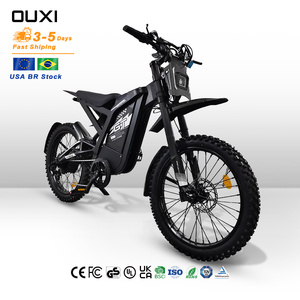
As light electric vehicles (LEVs) and high-power off-road platforms (such as the OUXI GT2000 and lightweight dual-sport motorcycles) expand, tire construction must withstand immediate peak torque without tread flex or premature lug tearing. Industrial suppliers capable of integrating advanced elastomer compounding with precise carcass architecture are establishing new benchmarks across global supply chains.
Modern all-terrain tire performance relies on material science at the molecular level. Top-tier manufacturers utilize automated liquid-phase mixing technologies to uniformly disperse functionalized synthetic polymers, nano-carbon black, and specialized silica coupling agents. This prevents compound separation during high-speed thermal cycles.
Features a hard base compound under the center tread to reduce rolling resistance and tread wear, combined with a flexible shoulder compound for reliable cornering grip on unpaved surfaces.
Radial carcass constructions provide lower rolling resistance and smoother heat dissipation for fast dual-sport applications, while reinforced 4-ply bias-belted casings resist sidewall punctures in rocky off-road conditions.
Tread block geometry with a 35% to 45% void ratio ensures effective mud and slush clearing without compromising the contact patch on sealed asphalt roads.
In high-torque electric motorcycles—where instant power transfer occurs without a traditional clutch curve—standard utility tires often suffer from tread chunking. Partnering with certified OEM suppliers who utilize high-tensile steel bead wire (>1800 MPa) prevents tire slippage on the rim during rapid acceleration and regenerative braking cycles.
Global supply chain procurement is changing rapidly due to regulatory standards, ESG targets, and evolving fleet demands. Institutional buyers and distributors must adapt their multi-year sourcing plans around four key industry shifts:
With electric dirt bikes and high-output EV mobility moving from niche applications to mainstream fleets, tires must handle shear forces up to 2.5x higher than traditional internal combustion engine (ICE) bikes under 300cc. Manufacturers are adopting poly-aramid cap plies to limit centrifugal casing deformation at high speeds without adding heavy rotating mass.
Strict European Union REACH compliance and global carbon footprint reporting require reduced PAH (Polycyclic Aromatic Hydrocarbons) in tire oils. Leading suppliers now use bio-based silica sourced from rice husk ash and sustainable natural rubber blends to lower lifecycle emissions while maintaining high abrasion resistance.
Commercial fleet operators managing delivery networks, rental fleets, and municipal utility bikes are adopting tires embedded with RFID chips. These chips send mileage, wear cycles, and retreading schedules directly to centralized fleet software, helping prevent unplanned downtime.
Modern riders expect seamless transitions from urban highway commutes to rough off-road trails. Procurement portfolios are moving toward 70/30 and 60/40 dual-sport profiles featuring staggered side lugs and variable pitch noise-reduction channels.
The global all-terrain tire manufacturing sector is consolidating around specialized production hubs capable of delivering consistent high-volume output alongside flexible OEM customization. Strategic buyers evaluate suppliers using a structured matrix built on measurable operational metrics:
Industrial Sourcing Evaluation Matrix:
Suppliers that combine complete vehicle integration expertise—such as custom controller calibration (e.g., ASI Controller Upgrades), optimized lithium storage (e.g., Grade A Lifepo4 modules), and purpose-built chassis alignment—provide significantly higher value than simple component factories. This integrated approach reduces warranty claims and speeds up final vehicle assembly for OEMs.
Common technical, operational, and commercial questions answered by our engineering and supply chain management teams:
Electric powertrains deliver 100% instant peak torque from 0 RPM. Tires designed for electric platforms feature stiffer carcass structures, reinforced bead zones to prevent rim spin, and high-shear silica compounds that resist tread tearing under rapid acceleration.
These ratios indicate the intended operational balance between on-road pavement and off-road dirt. An 80/20 tire is designed for 80% street and 20% dirt, using continuous center ribs for smooth tarmac riding. A 50/50 tire features deeper block voids and aggressive shoulder lugs for balanced performance across gravel, mud, and pavement.
Custom OEM tread mold creation typically takes 35 to 45 days, including FEA simulation and physical sample vulcanization. Standard production MOQs start at 500 units per size, with scaled volume discounts for full container loads (20ft/40ft HQ).
Tubeless tires reduce un-sprung rotational mass, run cooler at highway speeds, allow temporary puncture repairs using external plugs without wheel removal, and eliminate sudden air loss caused by inner-tube pinch flats during hard off-road impacts.
Cold-climate compounds incorporate higher natural rubber content and specialized plasticizers to maintain elastomer flexibility below 0°C. Tropical and high-heat compounds utilize elevated carbon black ratios and thermal stabilizers to prevent compound softening and premature tread wear above 40°C ambient temperatures.
Choosing the right manufacturing partner requires evaluating both product specifications and technical execution capabilities. As an integrated vehicle technology supplier, we provide fully verified production workflows designed for demanding commercial applications:
100% automated dynamic balance verification, laser tread depth inspection, and continuous chemical compound titration testing.
Direct supply alignment across motor controllers, battery packs, digital dashboards, and heavy-duty wheel assemblies.
Established export channels supporting DDP, FOB, and CIF terms with full DOT, ECE, and ISO 9001 compliance documentation.
Ready to update your inventory, request OEM technical specifications, or discuss high-volume fleet pricing with our engineering team?