
Popular destinations
Popular destinations
Explore our industrial-grade adjustable shock absorbers, smart telemetry dashboards, modular lithium power units, and electric drive conversion kits built for global B2B procurement.



Modern suspension engineering is no longer simply about absorbing road bumps; it is about dynamic energy management, unsprung mass reduction, and precision wheel tracking under complex cornering loads. As a premier adjustable shock absorber factory, our design philosophy borrows heavily from aerospace structural metallurgy and fluid dynamics. In high-performance electric motorcycles and light commercial vehicles, the rear shock absorber dictates key handling metrics—including anti-squat characteristics, traction restoration, and rider ergonomics.
An adjustable shock absorber allows fine-tuning across three primary mechanical parameters: Spring Preload, Rebound Damping, and Compression Damping (High-Speed & Low-Speed). By utilizing micro-honed mono-tube damping bodies and high-pressure nitrogen gas reservoirs (typically pressurized between 1.2 to 2.5 MPa), our suspension units eliminate hydraulic oil cavitation under aggressive high-frequency strokes.
Furthermore, integrating lightweight structural components—such as T6-6061 forged aluminum body sleeves, hard-anodized piston rods (micro-hardness rating exceeding HV800), and double-sealed Japanese NOK oil seals—ensures that our shocks withstand extreme environments ranging from -40°C arctic conditions to +120°C ambient temperatures under high-load dampening friction.
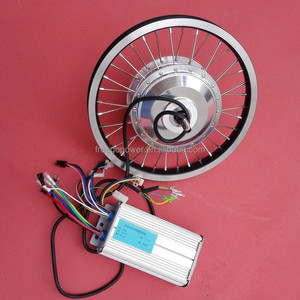
In the modern electric vehicle paradigm, suspension components do not work in isolation. The integration of high-efficiency brushless hub motors, custom prismatic LiPo battery packs, and high-brightness TFT LCD dashboards creates an interconnected vehicle ecosystem. Variable dynamic loading caused by instant electric motor torque (often exceeding 200 Nm at the rear wheel) demands precise rear suspension damping curves to maintain continuous tire contact patch pressure.
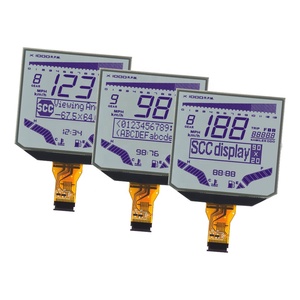
Smart circular TFT dashboards (such as the 5-inch 1080x1080 MIPI round display module) display real-time suspension telemetry data. Linear position sensors mounted on our adjustable shock absorbers transmit compression stroke percentages directly to the vehicle control unit (VCU).
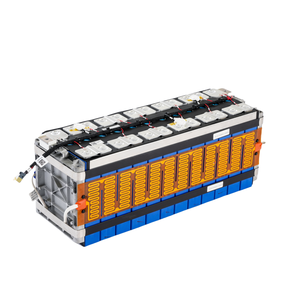
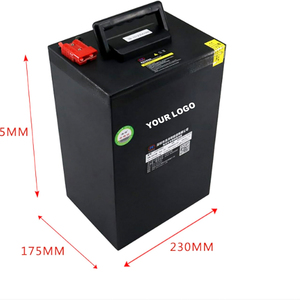
High-density lithium battery modules (e.g., 4kwh 105Ah prismatic packs) contribute significant static load. Our progressive spring rates prevent chassis bottoming during aggressive braking while preserving plush initial stroke response over uneven road textures.
Regenerative braking deceleration exerts immediate reverse pitch forces on the front fork and rear shock. Rebound damping valves engineered into our adjustable shocks counteract pitch oscillation, stabilizing the chassis during heavy electric deceleration.
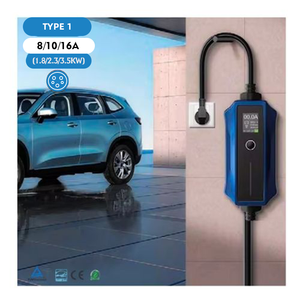
By specifying complete system integration—ranging from 20kW portable DC fast chargers down to 12-inch electric hub motors and precision suspension hardware—B2B buyers can achieve optimal vehicle balance, lower assembly labor costs, and guaranteed electrical-mechanical harmony across their vehicle assembly lines.
As the global automotive and two-wheeler markets shift rapidly toward electrification and lightweighting, B2B procurement managers and OEM design engineers must navigate several key macro trends driving suspension component manufacturing:
| Procurement Trend | Legacy Technology | Next-Gen OEM Solution (Our Standard) | B2B Value Proposition |
|---|---|---|---|
| Electronically Controlled Damping (ECD) | Fixed mechanical shim stacks | Solenoid-actuated multi-stage adaptive damping valves | Instant mode selection (Sport/Comfort/Eco) via dashboard CAN-bus |
| Lightweight Alloy Metallurgy | Heavy stamped carbon steel tubes | 7075-T6 extruded alloy & forged aluminum bodies | Up to 42% reduction in unsprung mass, extending battery range |
| Modular Mounting Geometry | Model-specific welded eyelets | CNC-machined interchangeable clevis and spherical bearings | Unified SKU inventory across multiple vehicle platforms |
| Eco-Friendly Hydraulic Fluids | Petroleum-based damping oils | High-VI (Viscosity Index > 220) synthetic bio-degradable fluids | Zero viscosity breakdown under thermal strain & ISO 14001 compliance |
Procurement specialists must demand complete traceability from their shock absorber factories. Raw material mill test certificates (MTC), 100% dynamometer damping curve logging, and 480-hour salt spray corrosion resistance testing are no longer optional extras—they are basic requirements for entering North American and European EV markets.
Rooted in aerospace design standards and backed by California-level research and development rigor, our manufacturing facilities redefine OEM/ODM partnership expectations. We maintain rigorous compliance across every phase of production, ensuring that every batch of adjustable shock absorbers meets international automotive benchmarks.
Our factory operates multi-axis CNC machining centers capable of maintaining tolerances within ±0.005mm. Internal shock cylinders undergo mirror finish honing (Ra < 0.1 µm) to minimize seal friction drag and breakaway force.
Every finished adjustable shock absorber undergoes automated dyno testing across stroke velocities ranging from 0.05 m/s to 1.5 m/s. Compression and rebound damping curves are recorded and matched to within ±3% tolerance per kit pair.
We offer bespoke internal shim valve configurations tailored to your specific vehicle chassis weight distribution, spring rates, and intended terrain—whether urban commuting, track racing, or off-road adventure.
From raw aluminum billet sourcing to final nitrogen gas charging and laser etching, our production lines follow strict IATF 16949 quality control protocols with full batch serialization.
Below are technical answers to common questions asked by automotive engineers, sourcing managers, and distributor buyers when selecting an adjustable shock absorber factory.