Automotive-Grade Tier-1 EMS & OEM Provider

OEM/ODM Motorcycle ECU Controller Manufacturers & Factories

Engineering Next-Generation Powertrain Electronics, Field-Oriented Control (FOC) Hardware & Software Architecture for Global EV Brands & Tier-1 Fleet Operators

Enterprise Powertrain Catalog

State-of-the-Art Controllers, LCD Dashboards & E-Motorcycle Hardware

Explore our industrial OEM/ODM product portfolio engineered for lightweight commuters, high-performance urban rippers, and heavy-duty delivery fleets.
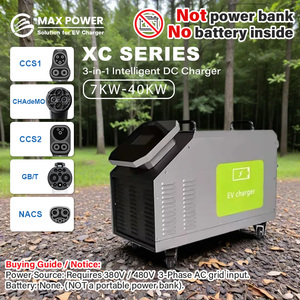
480V 3 Phase Input Mobile EV Fast Charger
480V 3 Phase Input Mobile 7kW 20kW 30kW 40kW CCS1 CCS2 GBT ChadeMO EV DC Charging Station Portable Fast Charger
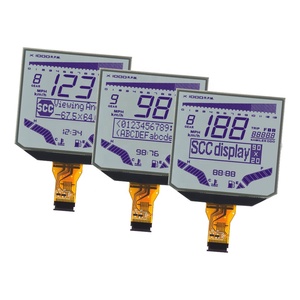
SCCdisplay Factory Anti-Glare LCD Display Screen
SCCdisplay Factory Wholesale 7 Segment Anti-Glare LCD Display 3.3V GW020 Odometer Digital Instrument Screen KTM Duke 200/250/390
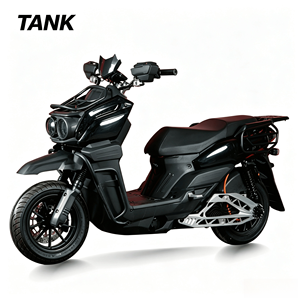
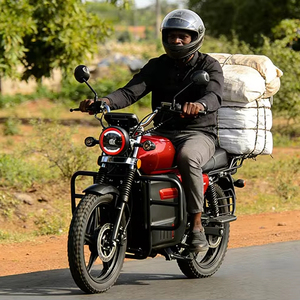
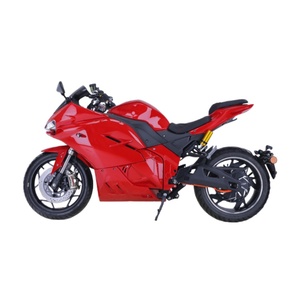
TANK 1000W Long Range Waterproof Electric Motorcycle
TANK 1000W Long Range Waterproof Electric Motorcycle 48V/60V/72V 10" Tire Heavy Duty Electric Scooter for Adults
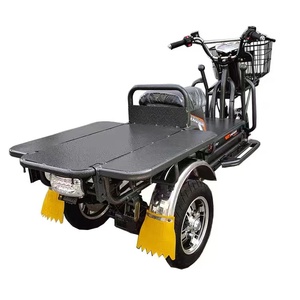
High Endurance Heavy Load Adult Electric Motorcycle
Hot Sale High Endurance Heavy Load Adult Electric Motorcycle Stable and Reliable for Delivery Fleets
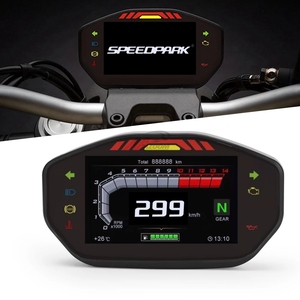
Universal Motorcycle LCD Digital Speedometer TFT Meter
Universal Motorcycle LCD Digital Speedometer TFT 6 Gear Backlight Motorcycle Odometer for 2,4 Cylinders Motorcycle Meter
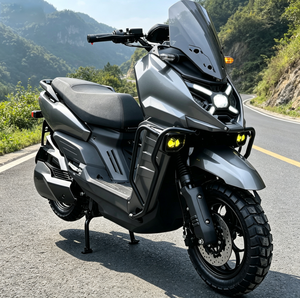
Heavy Duty Adult Electric Motorcycle 2000W Motor
Hot Heavy Duty Adult Electric Motorcycle 2000W Motor 12 Inch All Terrain Wide Tire Dual Disc Brake Off Road Electric Scooter
Commercial Fleets Use High-Speed Long-Range 3000W Electric Motorcycle
Commercial Fleets Use High-Speed Long-Range 3000W 72V Electric Motorcycle with 250kg Load Capacity 61-80km/h for Off-Road Use
High Speed 3000w Moto Lithium Battery Motorcycle
High Speed 3000w Moto Lithium Battery High Speed Motorcycle Off Road Electric Motorcycle for Adult
99.85%
Pass Rate (AOI + HIL Testing)
IATF 16949
Automotive Quality Certified
500,000+
Annual Controller Units Capacity
< 15 ms
Ultra-Low FOC Control Latency
Technical Architecture Whitepaper

Deconstructing Next-Generation Electric Motorcycle Controllers

A deep dive into Field-Oriented Control (FOC) algorithms, automotive functional safety ISO 26262, and low-latency power stage design for OEM partners.

Advanced FOC Vector Algorithms

Our custom ECU controllers utilize advanced Field-Oriented Control (FOC) with Space Vector PWM (SVPWM) modulation. This ensures smooth, linear torque output across the entire RPM band, reducing motor cogging and maximizing battery discharge efficiency by up to 14% compared to square-wave drives.

Wide-Voltage Power Stages (48V - 400V)

From 48V/72V urban commuters to high-voltage 400V hyper-bikes, our scalable MOSFET and Silicon Carbide (SiC) power stages handle peak continuous currents up to 600A with minimal thermal dissipation, making them ideal for heavy payload and high-end racing applications.

Automotive ISO 26262 & ASIL-B Compliance

Engineered to meet rigorous automotive safety integrity levels (ASIL-B/D). Featuring hardware-level over-voltage, over-current, phase short-circuit protection, and dual-microcontroller redundancy to prevent uncommanded acceleration or sudden lockups.

CAN-Bus 2.0B & J1939 Telematics

Full integration with CAN-Bus 2.0B, OBD-II diagnostics, and LIN communications. Enables seamless handshake with smart LCD displays, battery management systems (BMS), telemetry tracking devices, and cloud IoT connectivity for over-the-air (OTA) firmware updates.

Dynamic Regenerative Braking Tuning

Supports variable, analog, and multi-mode regenerative braking logic. Energy recovery algorithm feeds up to 18% back into the traction pack during deceleration, providing progressive engine-braking feel while extending brake pad life for delivery fleets.

Full OEM/ODM Customization Matrix

Comprehensive firmware modification, custom PCB layouts, physical aluminum heatsink design, potted waterproof IP67 sealing, and custom wiring harness manufacturing tailored precisely to your vehicle's mechanical footprint.

Information Gain: Silicon Carbide (SiC) vs. Traditional Silicon MOSFETs in Motorcycle ECUs

As the electric two-wheeler market transitions to higher voltages and demand for extended range increases, our OEM engineering team has pioneered the switch from standard Silicon MOSFETs to Silicon Carbide (SiC) power switching modules. Here is why leading OEMs are upgrading:
  • Rds(on) Conduction Losses: SiC technology cuts internal switching losses by up to 60%, driving thermal operating temperatures down by 25°C under continuous heavy load.
  • Power Density Increase: Achieves double the power output in a 30% smaller chassis volume, eliminating bulk in lightweight aerospace-inspired motorcycle frames.
  • High Frequency Switching: Enables PWM frequencies up to 40 kHz, yielding silent motor operation and eliminating audible electronic hum at low speeds.
  • Enhanced Thermal Margin: Maintained high efficiency under extreme ambient temperatures (+65°C), critical for commercial delivery fleets operating in tropical regions.
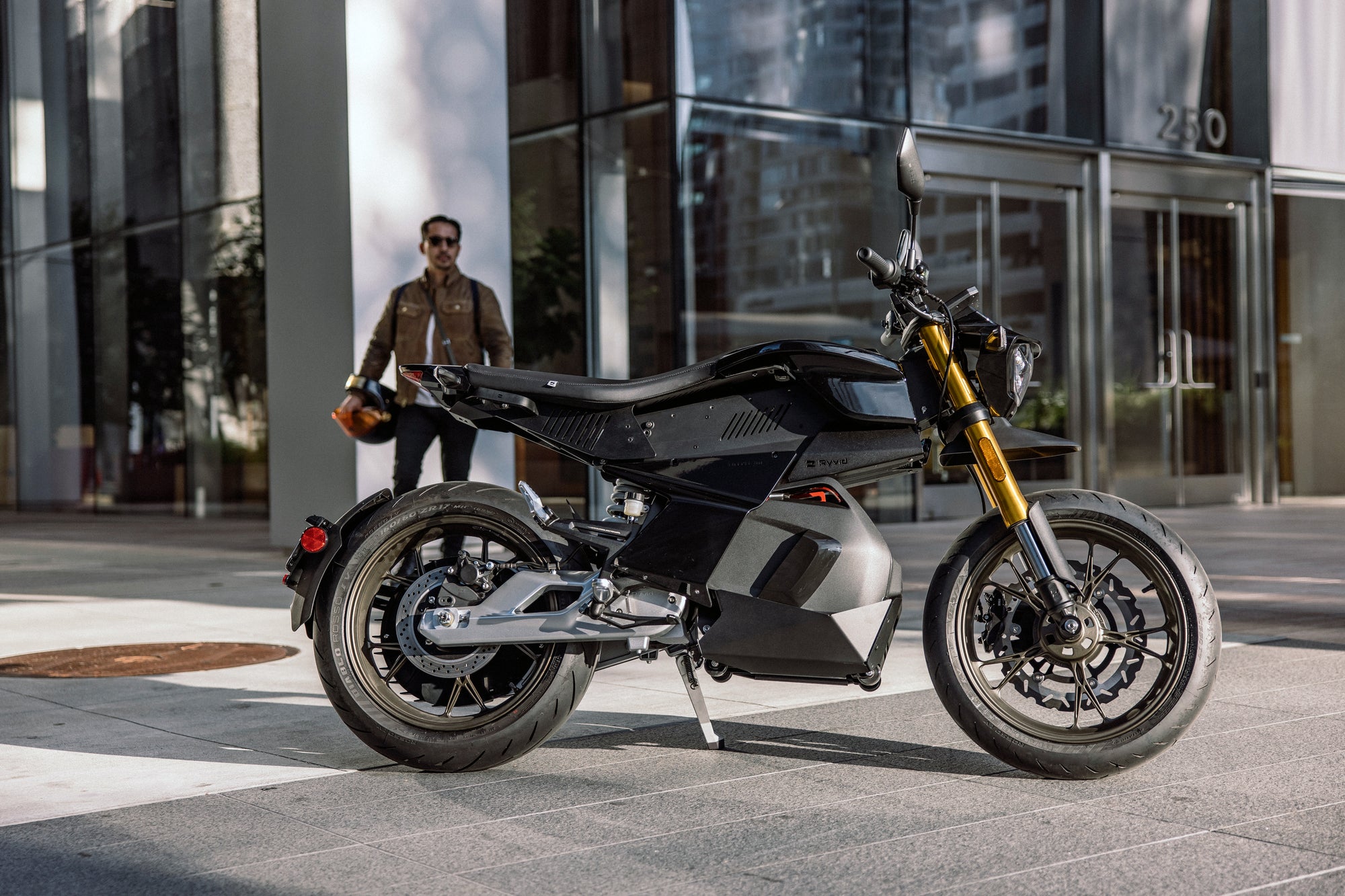
Aerospace Inspired Electric Motorcycle Platform Assembly
Aerospace-Inspired Engineering

Built in Southern California: Tier-1 Manufacturing Precision

Rooted in aerospace structural philosophy and premium Southern California vehicle engineering, our factory processes deliver unparalleled reliability for modern urban commuters and commercial fleets.

Every controller, instrument cluster, and powertrain module is manufactured under strict IATF 16949 quality management protocols. Our end-to-end production lines feature automated SMT assembly, 3D Automated Optical Inspection (AOI), dual conformal coating against moisture/salt spray, and 100% full-load Hardware-in-the-Loop (HIL) stress testing before leaving the facility.
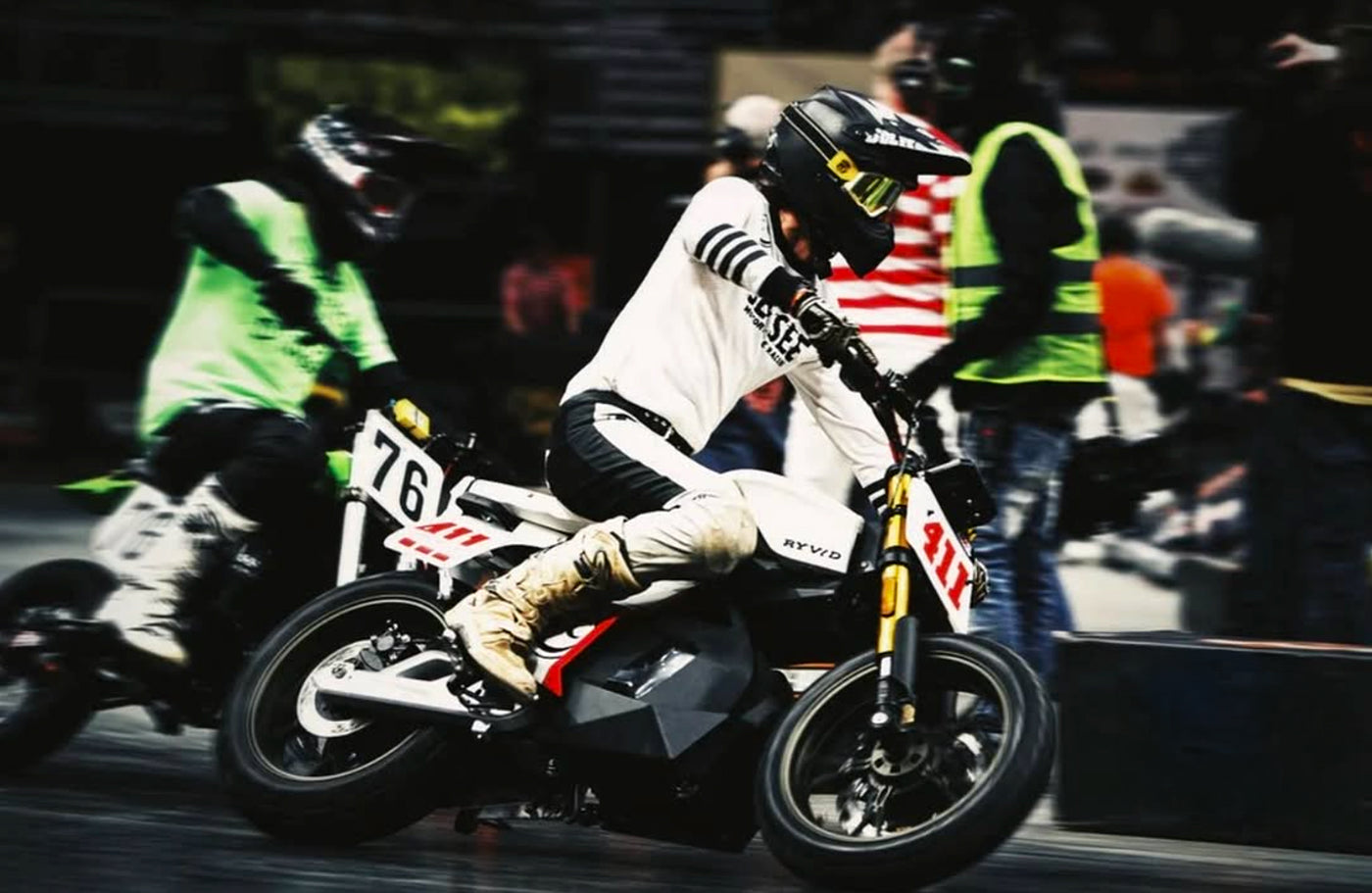
Electric Motorcycle Commercial Fleet Deployment
Fleet & Commercial Enterprise Solutions

B2B Fleet Optimization & Custom Firmware Mapping

For fleet managers, police agencies, and high-frequency delivery companies, component reliability is non-negotiable. Our OEM/ODM ECU controller platforms integrate real-time telemetry, geofencing speed limiters, and adjustable power profiles via simple CAN command sets.

Whether you require custom torque curves for heavy cargo delivery (supporting 250kg+ payloads) or specialized seat actuator driver circuits and custom TFT odometer integration, our factory software engineers deliver turn-key solutions built for million-mile fleet endurance.

Market Intelligence & Procurement Outlook

Future Procurement Trends in Motorcycle ECU & Controller Manufacturing

Key technological shifts and sourcing strategies that brand buyers, CTOs, and procurement directors must evaluate over the next 3-5 years.

Procurement Vector Legacy Controller Architecture Next-Gen OEM/ODM Standard (2025-2030) Impact on EV Motorcycle Brands
Power Semiconductor Silicon (Si) MOSFETs (60V-72V) Silicon Carbide (SiC) & GaN Power Stages Up to 15% range expansion, 30% reduction in controller dimensions.
Software Architecture Monolithic Static Firmware Software-Defined Vehicle (SDV) + Cloud OTA Instant field updates, remote diagnostics, monetization of performance upgrades.
Thermal Management Air-Cooled Passive Aluminum Heatsink Liquid-Cooled Direct-Plate / Thermal Potted Enclosure Eliminates high-temperature throttling during sustained high-speed highway cruising.
Safety Compliance Basic Over-current Fuses ISO 26262 ASIL-B Redundant Fault Logic Essential for regulatory approval in European (EEC/e-Mark) & North American markets.
BMS Integration Standalone Analog Signal Wire Encrypted CAN 2.0B / CAN-FD Dynamic Communication Prevents thermal runaway, optimizes charge/discharge rates in real-time.
Engineering Roadmap

Technical Development Trends Shaping Two-Wheeler Controllers

1. Sensorless Field-Oriented Control (FOC) Redundancy

Traditional controllers rely heavily on mechanical Hall sensors within the motor core. Next-gen controllers integrate dual-mode algorithm logic: operating primarily on high-resolution Hall signals, but seamlessly switching to sensorless back-EMF estimation if a Hall sensor fails mid-ride. This eliminates stranded vehicle incidents for delivery operators.

2. AI-Driven Adaptive Efficiency & Torque Mapping

By constantly analyzing rider throttle inputs, road gradient, vehicle inclination, and current motor temperature, modern firmware dynamically optimizes switching frequency between 8 kHz and 20 kHz. This intelligent modulation reduces switching losses during light cruising while providing maximum torque response under hard acceleration.

3. Modular Platform Standardisation

Instead of designing isolated controllers for every model variant, OEMs are adopting modular scalable power blocks. A single mainboard design can be equipped with 12, 18, or 24 MOSFET modules, allowing a single manufacturer to power 2kW urban scooters, 5kW dual-sport bikes, and 15kW highway motorcycles on a unified assembly line.

Procurement & Manufacturing FAQ

Frequently Asked Questions for OEM/ODM Sourcing

Everything you need to know about custom tooling, firmware flashing, minimum order quantities (MOQs), and testing standards.

What is the typical lead time and process for OEM/ODM custom ECU development? +
Our standard OEM/ODM workflow consists of 4 distinct phases:

1. Specification & Protocol Alignment (Weeks 1-2): Defining voltage ranges, continuous/peak current, motor parameters, physical enclosure size, and CAN-bus signal tables.
2. Prototype Assembly & Bench Testing (Weeks 3-6): SMT prototyping, preliminary firmware tuning, and automated dyno validation.
3. Vehicle Field Testing & Certification (Weeks 7-10): Real-world thermal validation, water-ingress testing (IP67), and EMC compliance testing.
4. Pilot Mass Production: Small-batch trial runs prior to high-volume automated manufacturing. Total timeline typically ranges from 6 to 12 weeks depending on complexity.
Can your factory supply custom firmware for specialized riding profiles or heavy cargo loads? +
Yes. Our dedicated software engineering team specializes in custom application firmware. We can implement multi-position drive mode switching (e.g., Eco, Rain, Sport, Reverse, Crawl Mode), torque-vectoring logic for multi-motor vehicles, custom regenerative braking feel, and specialized throttle response curves specifically mapped to your powertrain hardware.
How do your controllers handle environmental exposure, heat, and water ingress? +
All our motorcycle ECU enclosures are die-cast from high-thermal-conductivity ADC12 aluminum. The internal PCBs undergo automated dual-layer conformal coating to resist humidity and chemical corrosion. For off-road and harsh weather delivery applications, we offer full silicone/polyurethane potting options, achieving IP67 and IP69K dust/waterproof ingress protection ratings.
What are the Minimum Order Quantities (MOQ) for custom branded controllers? +
For standard off-the-shelf controllers with custom software parameter programming, our MOQ starts as low as 50 units. For fully customized hardware (custom PCB layout, tooling for proprietary aluminum heatsink enclosures, custom wiring harnesses), our typical production MOQ is 500 to 1,000 units per order batch. Sample evaluation units are available for qualified EV manufacturers within 7 business days.
Are your controllers compatible with third-party TFT dashboards and lithium BMS packs? +
Absolultekly. Our controllers feature fully open, configurable CAN-Bus 2.0B / J1939 protocol tables. We provide software configuration tools (Windows/Android interface) that allow your engineering team to map CAN IDs, baud rates, and telemetry frames to match any third-party display screen (such as anti-glare 7-segment LCDs or full-color TFT meters) and smart BMS systems seamlessly.

Ready to Accelerate Your Electric Motorcycle OEM/ODM Project?

Speak directly with our senior hardware engineers and procurement directors. We offer complete technical documentation, dyno test reports, and sample controller evaluation kits for qualified vehicle manufacturers.