
Popular destinations
Popular destinations
Explore our robust lineup of EV two-wheeler charging sockets, DC fast-charging kits, high-voltage powertrains, and modular hub assembly solutions engineered for global compliance.
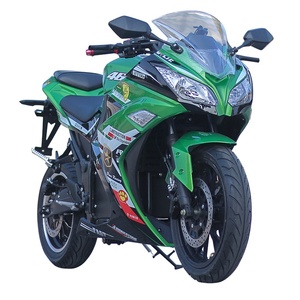
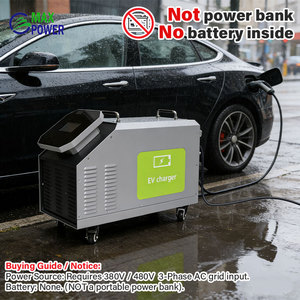
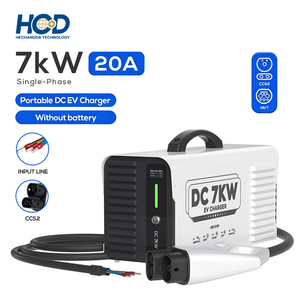
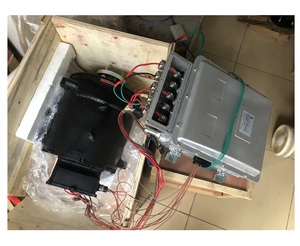
Conceiving and manufacturing robust charging infrastructure for modern electric motorcycles requires precise electrical engineering, thermal mastery, and severe environmental durability.
Derived from Southern California design philosophy (inspired by groundbreaking light-EV architecture like Ryvid Anthem & OUTSET), our custom charging ports integrate seamlessly into folded aluminum space-frames, tubular frames, and monocoque chassis without compromise.
We manufacture charging inlets built for rapid energy transfer—supporting up to 250A continuous and 500V DC peak loads. Outfitted with integrated NTC temperature sensors, our ports guarantee active thermal throttling to protect battery management systems (BMS).
Engineered for all-weather commuting, mixed-surface trail riding, and pressure washing. Dual silicone sealing rings, hydrophobic breathers, and potted terminal chambers prevent moisture ingress under ambient temperature cycling and high-pressure steam cleaning.
From base AC J1772 Type 1/Type 2 inlets to advanced CCS Combo 2 and GB/T DC sockets, we supply complete turnkey wire harnesses with custom length, high-flex orange automotive cables, anti-vibration automotive locks, and pre-calibrated CAN bus connectors.
Tested against rigorous USCAR-2 and IEC 62196 standards, our heavy-duty contact pins feature silver-plated beryllium copper construction to maintain low resistance (<0.5 mΩ) even under continuous off-road vibration, rapid acceleration, and high g-force loads.
Full support for B2B procurement, tier-1 vehicle manufacturers, and fleet operators. We provide comprehensive CAD models, PPAP documentation, customized mounting brackets, and flexible production runs from prototype validation to mass manufacturing.
As the electrification of two-wheelers transitions from low-speed urban scooters to high-performance electric motorcycles, the design requirements for motorcycle charging ports have underwent a fundamental paradigm shift. Traditional low-power IEC 60309 sockets and barrel connectors are being rapidly superseded by automotive-grade, high-voltage inlet assemblies capable of handling both level 2 AC charging and high-speed DC fast charging.
For original equipment manufacturers (OEMs) and design engineering teams, selecting the proper charging socket component is not merely a matter of mechanical fitment; it directly dictates the vehicle's thermal budget, safety enclosure compliance, user ergonomics, and long-term durability against environmental degradation.
Technical Fact: Contact resistance in high-current motorcycle charging ports directly correlates with resistive thermal generation ($P = I^2 R$). Utilizing high-purity copper alloy pins with 3μm to 5μm silver plating keeps terminal temperature rise under 50K at 200A continuous current, preventing housing distortion and signal degradation.
A resilient motorcycle charging port housing must withstand extreme operating ambient temperatures ranging from -40°C to +105°C while maintaining electrical isolation resistance exceeding 500MΩ at 1000V DC. Our engineering facility utilizes engineering-grade PBT + 30% Glass Fiber reinforcement or flame-retardant PA66 (UL94-V0 rated) for terminal holders and outer shells.
Furthermore, because motorcycles present exposed mechanical geometry compared to enclosed passenger cars, charging inlets are subject to direct weather exposure, roadside debris, salt spray, and washdowns. Incorporating a dynamic spring-loaded protective flap with an integrated micro-switch feedback loop informs the vehicle Control Unit (MCU) whether the port cover is securely latched, disabling throttle drive-away while plugged in.
Modern motorcycle charging ports integrate critical analog and digital signaling lines alongside high-power DC+/DC- or AC terminals:
What procurement officers and chief engineers need to plan for over the 2026–2030 technology horizon.
Global markets are standardizing high-speed charging protocols. Lightweight electric motorcycles are adopting ultra-compact CCS Combo 2 and NACS-type inlets tailored specifically to fit narrow frame downtubes without compromising rider ergonomics or knee clearance.
Motorcycle charging ports are no longer energy sinks alone; they are becoming power outlets. Integrated V2L (Vehicle-to-Load) pin configurations allow riders to power tools, camping gear, or off-grid devices directly from the motorcycle's high-voltage traction pack.
As battery chemistries enable sub-15 minute charging, high-performance electric super-bikes are implementing liquid-jacketed pin blocks. Micro-fluidic channels routed behind copper terminals dissipate extreme localized heat during 300A peak charging events.
Partner with an industry-leading OEM/ODM factory. Contact our engineering team today to request CAD models, sample test kits, custom wiring specifications, or detailed volume quotations.
Send an Inquiry