
Popular destinations
Popular destinations
Explore our engineered e-mobility solutions, high-discharge lithium modules, anti-glare LCD telemetry display units, and DC fast-charging infrastructure available for global OEM/ODM integration.
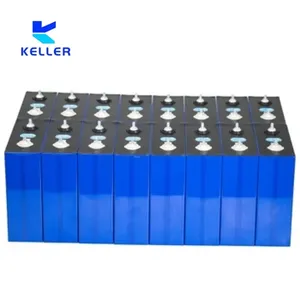
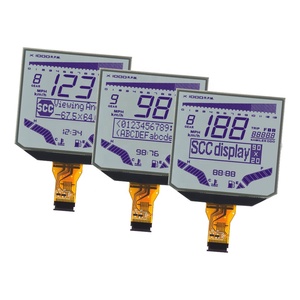
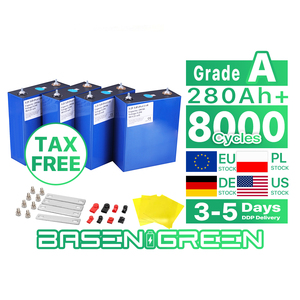
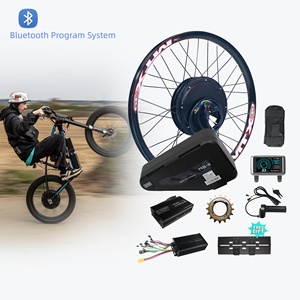
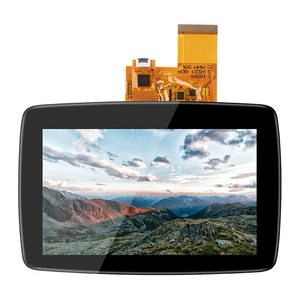
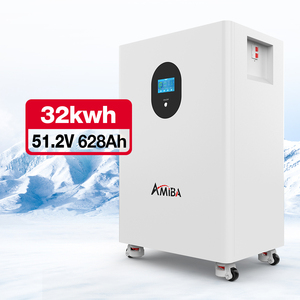
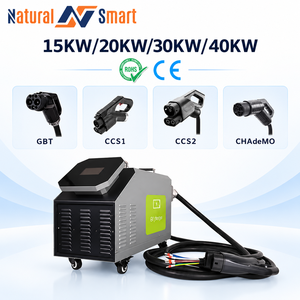
In the rapidly evolving global light electric vehicle (LEV) sector, selecting the optimal propulsion architecture is the single most crucial factor influencing vehicle dynamics, energy efficiency, and long-term customer satisfaction. While hub motors dominated early-generation electric bicycles and low-speed commuters due to manufacturing simplicity, OEM/ODM Mid Drive Motor systems have established undeniable engineering dominance across premium urban commuting, cargo logistics, and high-performance electric motorcycles (such as the Ryvid Anthem and OUTSET platforms).
By positioning the electric motor centrally within the bottom bracket or lower frame triangle, mid-drive systems route mechanical power through the bike's internal drivetrain transmission (chain, belt, or multi-speed gear hub). This fundamental physics advantage allows the electric motor to run consistently within its optimal RPM band (8,000 to 12,000 RPM internal rotor speeds) regardless of road velocity. Consequently, a mid-drive motor rated at 250W to 1000W continuous output can deliver up to 300% more wheel torque on steep inclines compared to an equivalent direct-drive or geared hub motor operating under heavy thermal load.
Furthermore, mid-drive powertrains drastically reduce unsprung mass at the rear wheel. In high-performance chassis design—where suspension responsiveness and cornering geometry are vital—eliminating 4kg to 8kg of motor rotational weight from the rear wheel hub allows modern suspension linkage algorithms to maintain maximum tire contact patch contact over uneven pavement and off-road trails.
Strategic supply chain analysis for Tier-1 brands, micro-mobility operators, and OEM assembly facilities looking to maintain a competitive technology edge.
Transitioning from conventional 36V square-wave controllers to high-voltage Field-Oriented Control (FOC) sine-wave controllers. FOC algorithms minimize acoustic resonance noise while achieving ultra-smooth low-speed torque delivery and reduced phase wire resistive heat losses ($I^2R$).
Replacing nylon internal reduction gears with high-precision PEEK/Steel hybrid or full-steel helical gears polished to DIN Class 5 standards. This engineering standard guarantees continuous noise emissions below 50dB while enduring high shock-loads up to 200 Nm during aggressive downhill or payload acceleration.
Integration of standard mounting interfaces (such as Bafang M820/M510, Brose, or custom Ryvid aerospace folded-aluminum frame plates). OEM factories are standardizing bottom-bracket mounting bolt patterns to enable fast chassis iterations without re-tooling hydroformed frames.
Enterprise buyers are abandoning closed-loop proprietary communication protocols. Standardized CAN-Bus (CANopen / J1939) protocols enable seamless telemetry handshake between mid-drive motors, smart BMS, anti-glare TFT displays, and IoT fleet tracking modules.
Next-gen mid-drive stators feature dual-sided strain gauge torque sensors operating at 1,000 Hz sampling frequencies. This delivers zero-latency pedal assistance response, eliminating the artificial lag common in lower-tier cadence-only sensing systems.
Automotive-grade thermal epoxy encapsulation (phase-change potting compound) inside the stator casing rapidly transfers heat away from copper windings to external die-cast aluminum heat fins, preventing thermal throttling during continuous full-throttle hill climbs.
Below is an engineering specification baseline for OEM buyers evaluating mid-drive propulsion modules for urban commuters, e-mountain bikes (eMTB), heavy-duty cargo bikes, and light electric motorcycles.
| Motor Series / Class | Nominal Voltage | Continuous Power | Max Torque Output | Reduction Ratio | Sensor Type | Weight (Kg) | Primary Application |
|---|---|---|---|---|---|---|---|
| M-Series Compact | 36V / 48V | 250W - 350W | 80 - 95 Nm | 1:38.5 (Planetary) | Dual Strain Gauge (1000Hz) | 2.45 kg | Urban Commuter / City Step-Through |
| M-Series Performance | 48V / 52V | 500W - 750W | 120 - 140 Nm | 1:42.0 (Helical PEEK) | Torque + Optical Cadence | 3.10 kg | eMTB / All-Mountain Trail |
| M-Series Cargo HD | 48V / 60V | 1000W - 1500W | 160 - 190 Nm | 1:48.2 (Steel Helical) | Heavy-Duty Torque Sensor | 4.20 kg | Commercial Last-Mile Logistics |
| EV-Series Moto Mid-Drive | 72V / 96V | 3000W - 10,000W Peak | 220+ Nm (Shaft) | Direct Belt / Primary Gear | Resolver / High-Res Encoder | 8.50 kg | Light Electric Motorcycle (Ryvid Style) |
As an established pioneer in aerospace-inspired light electric vehicle design—responsible for breakthroughs like the variable-height electric seat actuator, modular frame geometry, and high-discharge removable battery packs seen on the Ryvid Anthem—our manufacturing and supply partner network bridges advanced Western engineering with high-volume precision production.
When sourcing mid-drive motor kits and complete powertrain systems from our factory network, global buyers gain distinctive operational advantages:
To assist brand managers, purchasing leaders, and mechanical engineers in bringing custom e-mobility products to market rapidly, we follow a standardized 5-stage OEM/ODM engineering pipeline:
Defining torque curves, continuous power rating, target gear ratio, CAD frame interface envelope, and FEA stress modeling.
Custom copper winding configuration (KV rating tuning) and flashing custom FOC motor control algorithms (torque ramps, regen curves).
Evaluating mechanical efficiency maps, thermal dissipation rates, stator temperature rise ($\Delta T$), and acoustic harmonics.
Precision CNC tooling creation, die-cast mold execution, and pre-series production batch (50–100 units) for vehicle integration testing.
Automated stator winding, robotic potting application, 100% automated end-of-line (EOL) dyno check, and ISO 9001 delivery packaging.
Clear, authoritative answers regarding order minimums, technical compliance, thermal endurance, custom firmware, and warranty guarantees.
Partner with an experienced OEM/ODM powertrain manufacturer. Contact our engineering and sales consultation team today to request complete CAD files, sample dyno evaluation units, pricing matrix, or factory inspection schedules.
Send an Inquiry