
Popular destinations
Popular destinations
Discover our OEM/ODM custom forged, cast, and flow-formed alloy wheels alongside specialized electric mobility drivetrain assemblies engineering.
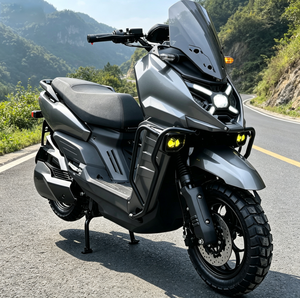
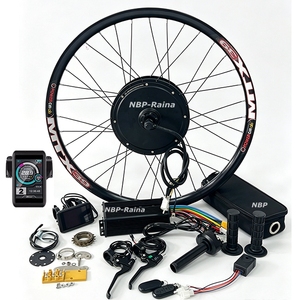


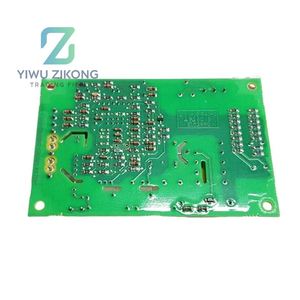
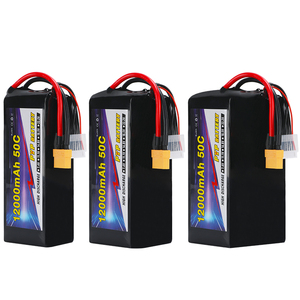
By combining California-engineered design philosophy with state-of-the-art automated forging and low-pressure casting lines, we deliver structural integrity, dynamic balance, and unprecedented thermal conductivity.
Full-spectrum ODM prototyping within 15 days. Our engineering team utilizes advanced finite element analysis (FEA) to reduce unsprung rotational weight by up to 25% while maintaining heavy load thresholds.
Combining the cost-efficiency of casting with the tensile strength of forging. High-pressure hydraulic rollers stretch the rim area, altering the aluminum micro-grain structure for enhanced impact resistance.
100% compliant with JWL, VIA, TÜV, and SAE J2530 standards. Every rim undergoes 13° and 30° dynamic impact testing, radial fatigue evaluation, and helium leak testing for tubeless designs.
Modern mobility demands lightened rotational mass without compromising payload capacity. Originating from our aerospace-inspired vehicle architectures, our wheel rim manufacturing leverages virgin A356.2 aluminum ingots treated with T6 heat processing. This results in ultimate tensile strength exceeding 290 MPa and yield strength over 220 MPa.
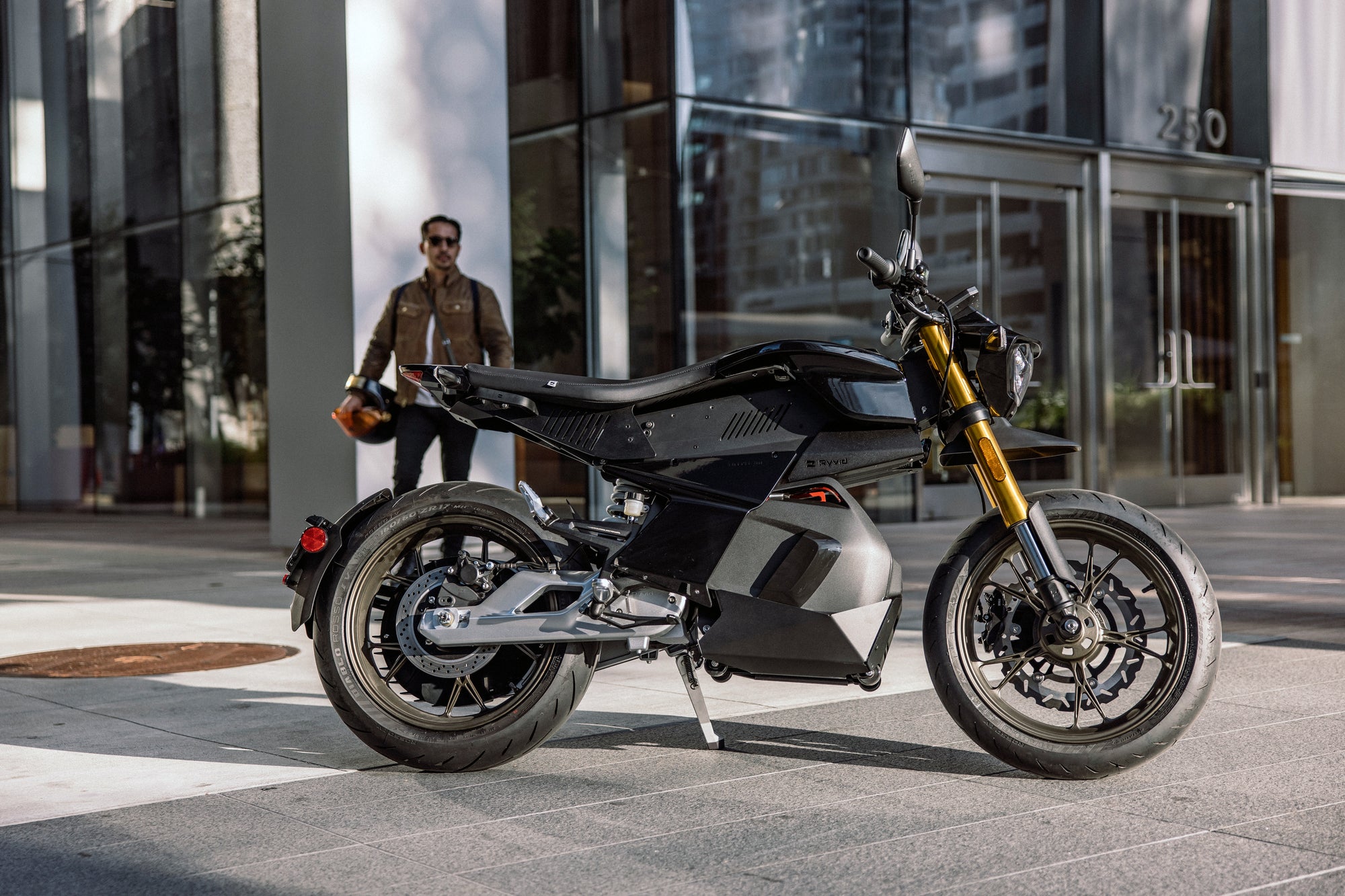
Whether configuring high-volume passenger sedan wheel rims, heavy-duty commercial fleet platforms, or specialized electric motorcycle hub-integrated wheel systems, our OEM/ODM manufacturing facility guarantees sub-millimeter concentricity and dynamic balance tolerance under 5 grams.
Consult with EngineeringAn engineering benchmark of cast, flow-formed, and forged aluminum wheel structures for automotive and specialized EV procurement teams.
| Manufacturing Process | Primary Material Grade | Tensile Strength (MPa) | Unsprung Weight Ratio | Impact Resistance Level | Ideal B2B Sourcing Target |
|---|---|---|---|---|---|
| Gravity Die Casting (GDC) | Standard A356.0 / AlSi7Mg | 180 - 210 MPa | Baseline (100%) | Standard Commercial | Entry-Level Aftermarket Replacements |
| Low-Pressure Die Casting (LPDC) | Virgin A356.2 Aluminum | 220 - 250 MPa | 90% of Baseline | High (OEM Standard) | Mass Production Passenger Vehicles |
| Flow-Forming (Rim Rolling) | Heat-Treated A356.2 T6 | 260 - 290 MPa | 78% - 82% of Baseline | Superior Structural Ductility | Performance Sedans, Fleet EVs |
| Monoblock Precision Forging | Aerospace 6061-T6 Billet | 320 - 360+ MPa | 65% - 70% of Baseline | Extreme Motorsport / Heavy Duty | Premium Sports Cars, Fleet Armored EVs |
As global automotive original equipment manufacturers (OEMs) accelerate the shift toward zero-emission vehicle (ZEV) architectures, the structural role of alloy wheel rims has evolved from purely aesthetic trim components to critical energy efficiency determinants. Procurement teams face twin pressures: stringent decarbonization targets across Scope 1-3 emissions and strict physical weight budgets mandated by heavy EV battery packs.
Future global procurement mandates demand transparent material sourcing. Forward-thinking Tier-1 suppliers are transitioning from conventional coal-smelted primary aluminum to green hydro-powered low-carbon aluminum (emitting under 4.0 kg CO2 per kg Al). Furthermore, advanced refining technology now permits up to 30% post-industrial secondary aluminum integration in A356.2 melt recipes without degrading elongation properties or fatigue lifespan.
The traditional multi-tier supply model is giving way to direct OEM/ODM strategic partnerships. Sourcing directors prioritize suppliers capable of offering rapid-tooling solutions—capable of moving from CAD approval to first-article inspection (FAI) within 21 calendar days. Modular mold inserts reduce tooling capital expenditure by 40%, enabling regional brands to execute short-run customized wheel styling variants tailored to localized market dynamics.
Modern vehicle dynamics require alloy wheel rims to actively manage aerodynamic drag, brake thermal dissipation, and tire acoustic resonance. The technological benchmark is no longer defined solely by cosmetic paint finishes, but by computational fluid dynamics (CFD) optimization and material science innovations.
At highway velocities, wheel rotation accounts for up to 25% of total vehicle aerodynamic drag. Modern OEM wheel designs incorporate integrated lightweight polymer or forged carbon aero-covers onto lightweight forged aluminum spoked bases. This hybrid architecture lowers the coefficient of drag (Cd) by 0.012 to 0.018, yielding a direct 2.5% to 4% increase in total electric vehicle operating range.
Using advanced generative design algorithms, engineers simulate multi-axis cornering loads, curb strikes, and transient thermal stress from high-load braking events. Material is systematically eliminated from low-stress dead zones and redistributed to high-strain spoke-to-rim flange intersections. The result is a structural rim that minimizes rotational inertia while boosting overall load ratings to over 950 kg per corner.
Environmental regulations restricting hexavalent chromium electroplating have accelerated the standard adoption of Physical Vapor Deposition (PVD) vacuum metallization. Paired with automated acrylic powder coating layers, PVD finish wheels offer salt-spray resistance exceeding 1,000 continuous hours (ASTM B117 standard), preventing filiform corrosion in harsh winter de-icing salt environments.
Commercial fleet vehicles and electric delivery platform applications demand specialized load management. Our heavy-duty alloy wheel rim series is engineered specifically to endure continuous payload stress, severe curb impact cycles, and high thermal buildup associated with commercial duty cycles.
Expert insights addressing international compliance, OEM tooling ownership, lead times, and quality assurance protocols for global purchasers.
Our production facilities operate under strict IATF 16949 quality management systems for automotive production. Product lines are engineered, tested, and certified to meet or exceed Japanese JWL/VIA standards, German TÜV structural requirements, and North American SAE J2530 specifications.
For custom ODM/OEM alloy wheel projects, 3D CAD modeling and finite element analysis (FEA) optimization take 3 to 5 business days. Tooling and mold fabrication requires approximately 20 to 25 days, followed immediately by sample casting/forging, CNC machining, surface finishing, and initial sample inspection (FAI) within 7 days.
Every single alloy wheel rim undergoes a rigorous multi-stage nondestructive testing (NDT) protocol. This includes 100% inline X-ray inspection to detect internal porosity or micro-shrinkage, automated helium mass-spectrometer leak testing for tubeless rim air retention, and CMM dynamic balance and radial runout validation.
For standard catalog styles, our flexible inventory program allows MOQs starting as low as 60 units per fitment configuration. For fully custom OEM molds requiring dedicated tooling, the baseline MOQ is typically 300 to 500 units per mold size, with customized volume rebates applied to production runs exceeding 2,000 units annually.
Yes. We specialize in EV-specific alloy rim development featuring reinforced rim lips, anti-slip bead seat knurling, and high-load spoke geometries designed to handle instant electric motor torque and heavy curb weight profiles without cracking or tire-to-rim slippage.
All custom tooling and mold fees paid by the client guarantee exclusive ownership rights to the buyer. Custom molds are held under strict non-disclosure agreements (NDAs) and will never be reproduced, marketed, or sold to third-party buyers without explicit written authorization from the owner.
Whether you require custom forged alloy wheels for a luxury vehicle line, aerodynamically optimized rims for an electric vehicle fleet, or high-volume aftermarket cast wheels, our engineering team delivers unmatched precision and value.