
Popular destinations
Popular destinations
Explore key sub-assemblies, brake chopper control boards, high-torque hub motor conversion kits, and smart EVSE infrastructure manufactured for commercial fleet deployment and OEM integration.
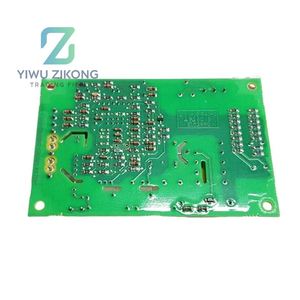
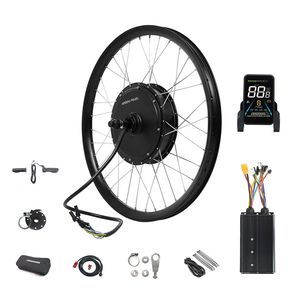
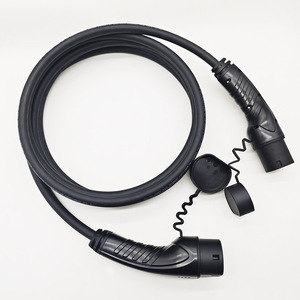
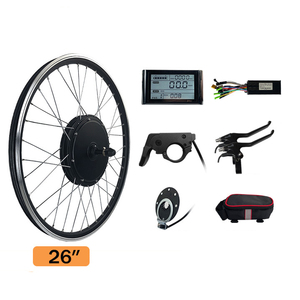
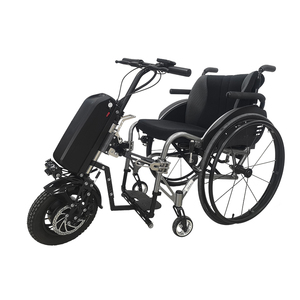
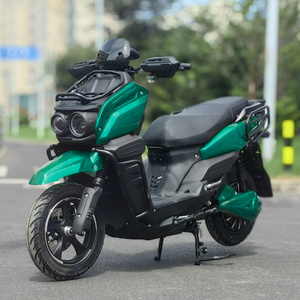
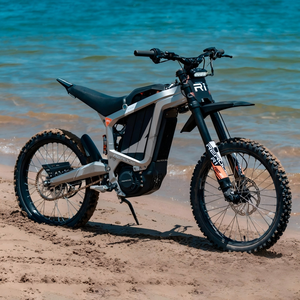
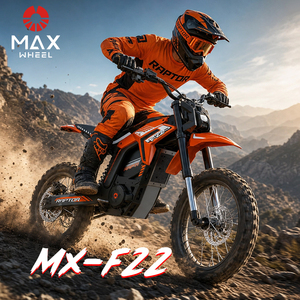
In modern light electric vehicle (LEV) architecture—encompassing urban electric commuter motorcycles, high-torque e-dirt bikes, and heavy-duty delivery micro-mobility fleets—the Regenerative Braking System (RBS) has evolved from an auxiliary energy recovery feature into a primary vehicle dynamics controller. Sourcing a custom OEM regenerative braking system factory requires evaluating how hardware controllers, Field-Oriented Control (FOC) firmware, and mechanical brake blending operate synchronously under dynamic road loads.
When a vehicle decelerates, kinetic energy stored in the moving mass is fed back through the brushless DC (BLDC) hub motor or mid-drive motor, converting the electric traction motor into a generator. The kinetic energy generates a reverse electromotive force (back-EMF). Modern brake chopper control boards (such as the industrial-grade NBRC-51C series) and advanced sinusoidal motor controllers modulate pulse-width modulation (PWM) duty cycles to convert back-EMF into direct current (DC) charge currents fed safely into the lithium-ion battery management system (BMS).
Variable regenerative deceleration profiles controlled via handlebar throttle roll-off, rear brake lever micro-switches, or dedicated variable thumb levers.
High-power braking events generate transient voltage spikes. Precision brake chopper control circuits shunt over-voltage into braking resistor networks when SoC approaches 100%.
Integration with hydraulic disc brakes ensures smooth transition from electromagnetic deceleration to mechanical clamping without vehicle chassis pitch oscillation.
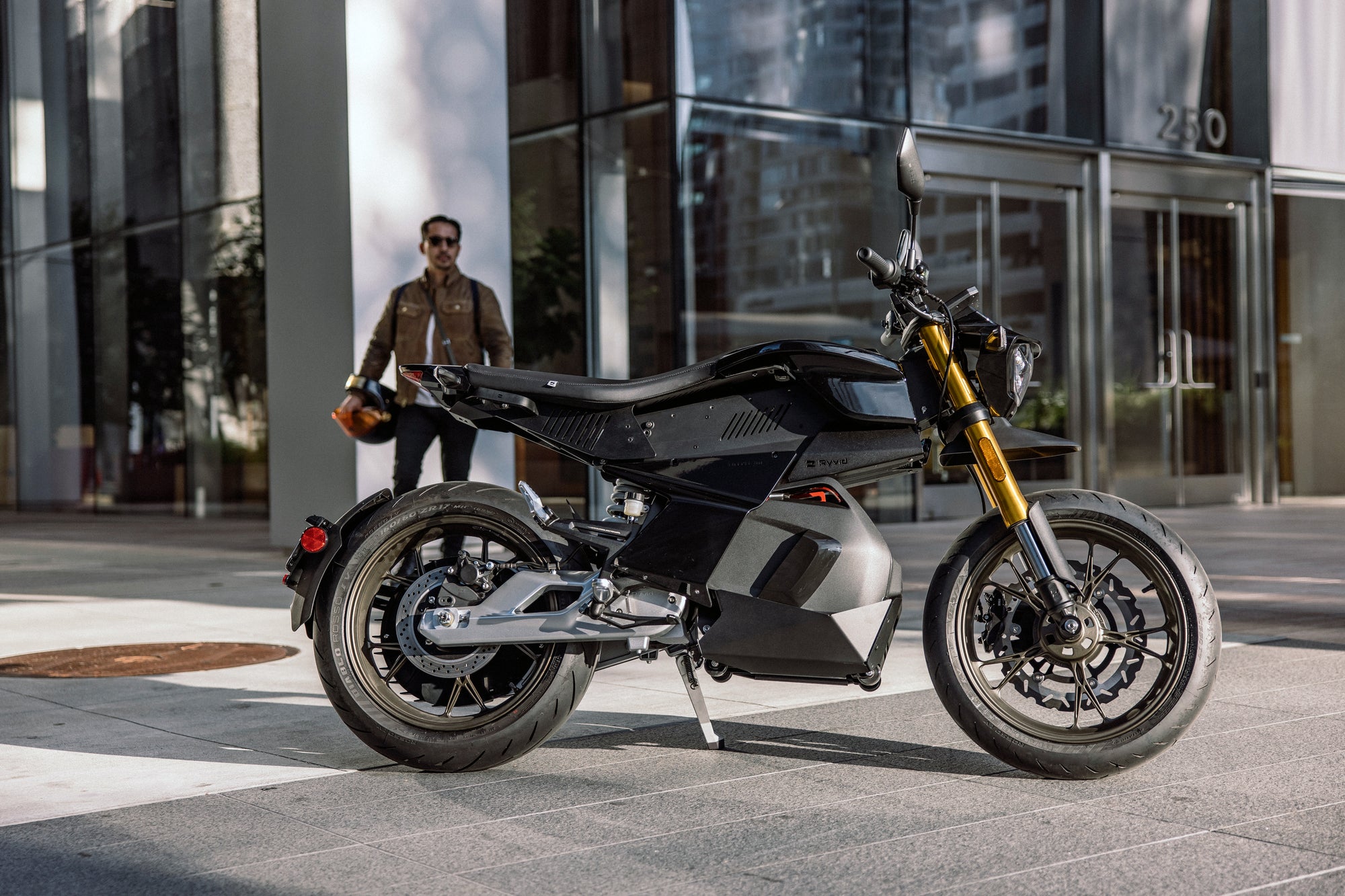
Rooted in Southern California's advanced transportation innovation hub, our engineering philosophy leverages structural concepts inspired by aerospace design. By unifying light chassis structures with proprietary electric powertrains, our platform eliminates unnecessary vehicle mass to maximize the efficiency of regenerative braking dynamics.
Every OEM electric motorcycle and component kit—from the street-focused Ryvid Anthem to the dual-purpose Ryvid OUTSET—is engineered with a zero-maintenance perspective. Featuring custom ASI controller upgrades, electronic seat actuators, and modular battery systems, our factory capabilities cater to custom OEM buyers, fleet operations, and global distributor networks requiring rigid quality control and rapid prototyping.
Strategic purchasing departments and automotive OEMs must align procurement decisions with multi-year hardware evolution. The integration of electric braking components is moving rapidly from standalone controllers toward unified vehicle domain control units (DCUs).
Traditional trapezoidal controllers are being replaced by high-frequency vector FOC drive controllers. Modern custom controllers dynamically adjust the direct-axis (d-axis) and quadrature-axis (q-axis) currents to optimize regenerative torque precision, resulting in noise-free deceleration down to near-zero RPM.
Integration of standard automotive CAN 2.0B / CANopen protocols allows the regenerative braking system to communicate instantly with the Battery Management System (BMS), telemetry sensors, and rider-mode selectors. Future systems leverage inertial measurement unit (IMU) data to adjust regen force during lean-angle cornering.
As lithium-ion chemistries transition to high-C-rate nickel-manganese-cobalt (NMC) and lithium iron phosphate (LFP) formulations, regen control units can push up to 200A transient charge pulses back into the pack without exceeding safety thresholds or damaging battery separator layers.
OEM buyers no longer purchase off-the-shelf motor controllers in isolation. Preferred suppliers must deliver integrated conversion packages—including customized wiring harnesses, waterproof LCD displays, calibrated brake chopper control boards (like NBRC-51C), and configurable firmware suites. This unified approach reduces vehicle assembly labor hours by up to 35% while ensuring compliance with stringent safety regulations.
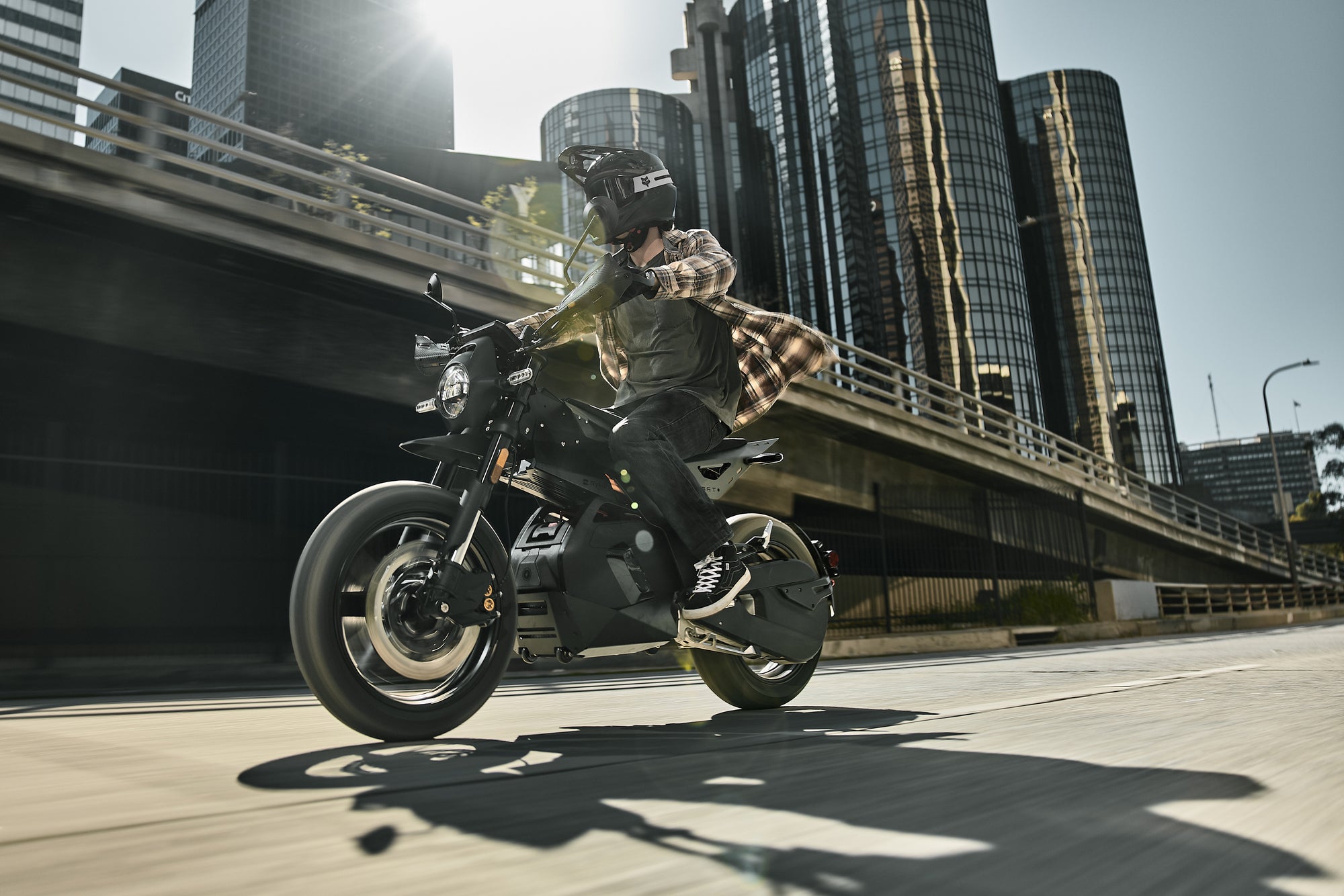
As a tier-one supplier and engineering enterprise built on California design standards, our factory network provides end-to-end customization capabilities tailored for global brand partners, fleet operators, and aftermarket kit providers.
| Vector Metric | Standard Market Specification | Our Custom OEM Factory Capabilities |
|---|---|---|
| Operating Voltage Range | 48V – 72V Fixed DC Input | 36V – 120V Wide-Band Voltage Matching (Scalable for 1kW – 22kW Systems) |
| Brake Chopper Switching Response | > 50 Milliseconds | < 15 Milliseconds Transient Response (Precision NBRC-51C Board Architecture) |
| Ingress Protection Rating | IP54 or IP65 Enclosure | IPX4 Waterproof (Exterior Assemblies) to IP67 Encapsulated Controllers |
| Powertrain Customization | Pre-configured generic firmware | Custom FOC Curve Mapping, ASI Controller Tuning & OEM White-Labeling |
| Regulatory Standards | Basic CE Marking | UN ECE R13H, ISO 26262 ASIL-B Functional Safety & DOT Compliance Ready |
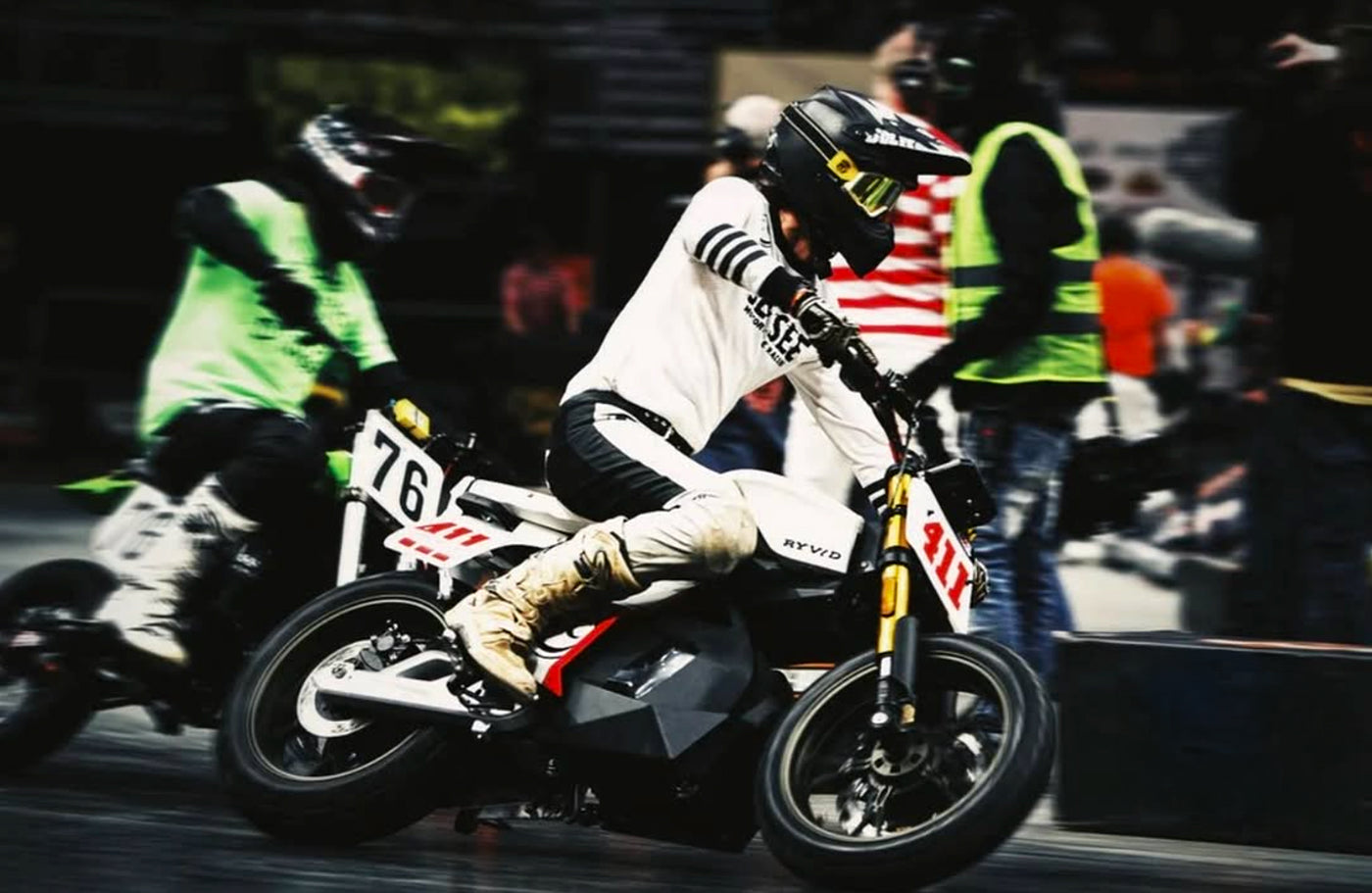
Whether your organization requires a batch of 3000W rear hub motor conversion kits with pre-configured LCD displays or a custom fleet build of high-speed 72V 10kW off-road platforms, our commercial supply program delivers factory-direct pricing, custom colorways, custom branding, and robust warranty backing.
Every batch undergoes 100% automated end-of-line (EOL) testing including dynamic brake bench verification, over-voltage cutoff simulation, and thermal stress conditioning to ensure maximum reliability in harsh operational environments.
Addressing critical technical, supply chain, and regulatory inquiries commonly raised by engineering directors and global purchasing managers during supplier vetting.
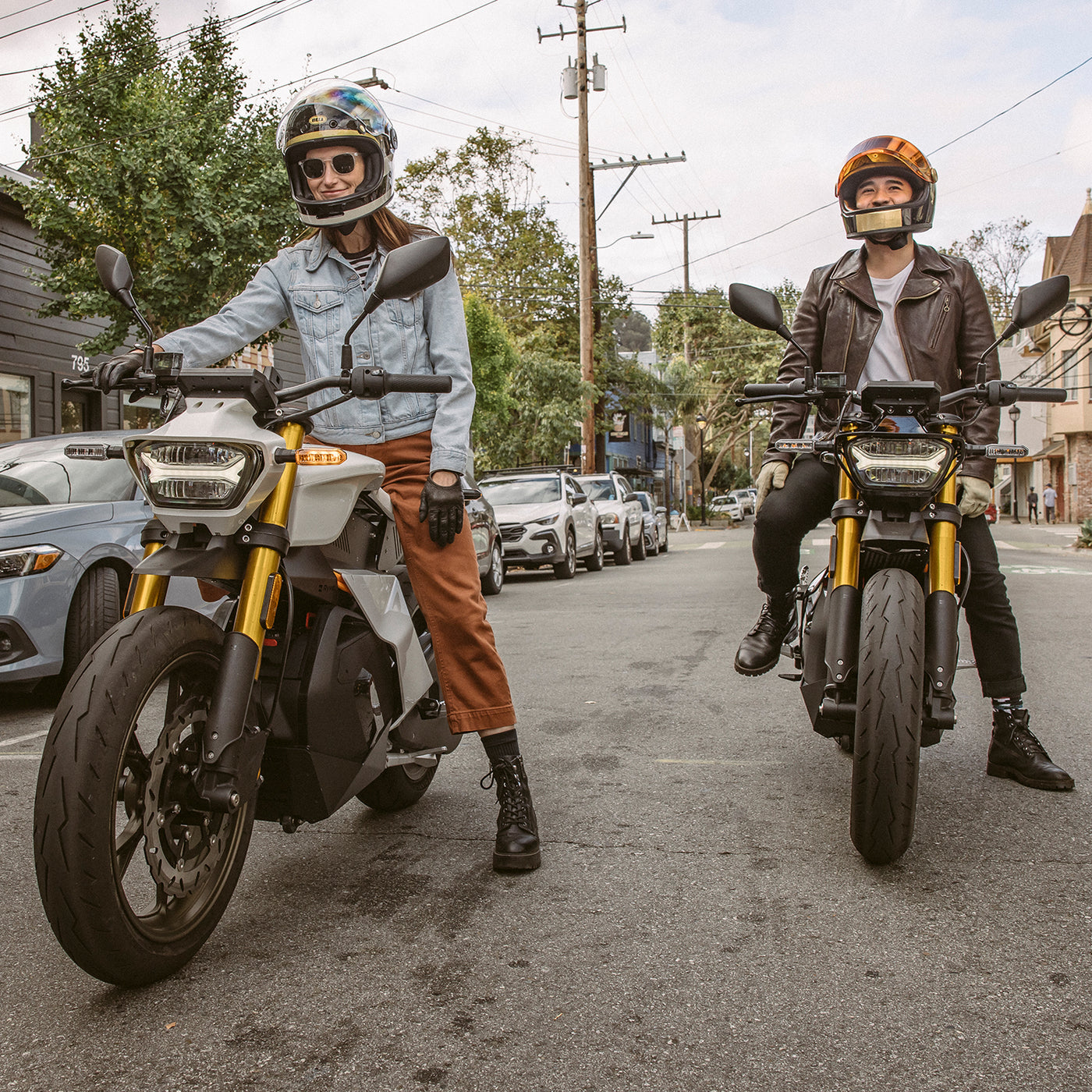
Navigating the complexities of electric vehicle powertrain integration, regenerative braking calibration, and global sourcing demands an experienced technology partner. By bridging California aerospace design expertise with scalable manufacturing, we empower vehicle manufacturers, fleet operators, and regional brands to launch high-performance electric mobility solutions efficiently.
Contact our engineering sales team to request sample evaluation units, custom CAD files, or detailed wholesale price matrices for your specific project requirements.
Direct factory engineering consultation, custom controller firmware development, and rapid sample dispatch available for qualified automotive & light electric vehicle manufacturers worldwide.
Inquire Now