
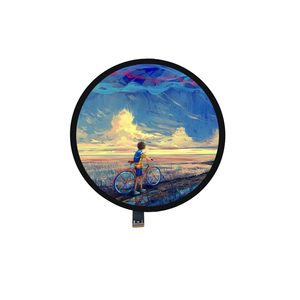
1000+
Nits Ultra Brightness
IP67/68
Water & Dustproof Rating
CAN-Bus
J1939 & ISO 11898 Support
100k+
Annual B2B Global Shipments
Product Catalog
Featured Wholesale TFT Motorcycle Display Modules
Direct OEM/ODM manufacturing solutions engineered for extreme road conditions, electric motorcycle architectures, and industrial gauge deployments.
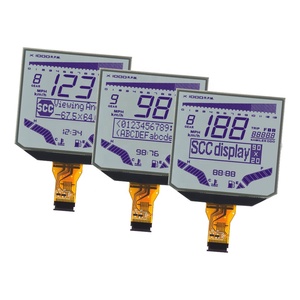
SCCdisplay Factory Wholesale 7 Segment Anti-Glare LCD Display 3.3V GW020 Odometer Digital Instrument Screen KTM Duke 200/250/390
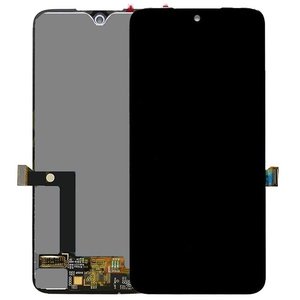
Full TFT Display Touch Screen 6.0 for Moto G7 / Moto G7 Plus - Black
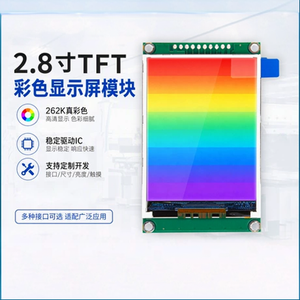
2.8Inch Capacitive TFT LCD Display Module for Electric Motorcycle Instrument Cluster
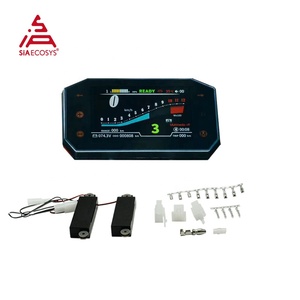
SCJ5066-1 Adjustable Display TFT Digital New Arrival Plastic Speedometer for Electric Bike Scooter Motorcycle
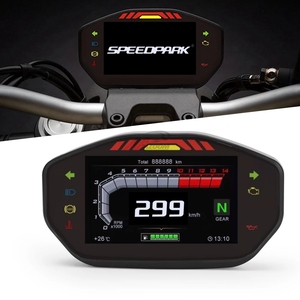
Universal Motorcycle LCD Digital Speedometer TFT 6 Gear Backlight Motorcycle Odometer for 2,4 Cylinders Motorcycle Meter
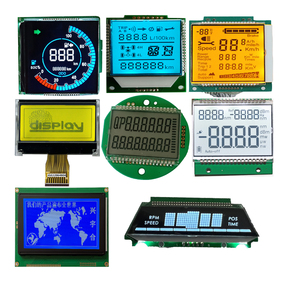
High Quality Custom TN LCD Display Screen for Cars & Motorcycles-Custom Size Module for Industrial Machines
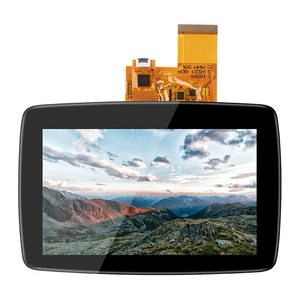
5 inch RGB Interface 1000nits LCD Touch Display Module LCD Motorcycle Display 800*480TFT LCD Display With Capacitive Touchscreen
OEM Enterprise Strengths
Aerospace-Inspired Engineering & China Wholesale Manufacturing Dominance
As the global two-wheeler sector transitions aggressively toward electrification and hyper-connected rider Human-Machine Interfaces (HMI), global OEMs require display manufacturing partners that bridge aerospace-grade reliability with China’s wholesale cost efficiency. Drawing inspiration from modern aerospace instrument panels—characterized by low weight, extreme thermal tolerances, structural chassis integration, and instant data telemetry—our manufacturing ecosystem in Southern California R&D combined with high-volume Chinese automated assembly lines delivers next-generation TFT LCD display modules engineered to perform in the harshest outdoor environments.
Full Optical Bonding (LOCA/OCA)
Eliminating the internal air gap between the glass cover, capacitive touch sensor, and TFT panel. Optical bonding prevents internal condensation under high ambient humidity, reduces ambient light reflection by over 65%, and vastly increases structural impact resistance against road debris.
Automotive-Grade Microcontrollers
Integrated with high-speed MCU/DSP architectures supporting real-time CAN-bus protocol parsing (CAN 2.0B, J1939, ISO 11898). Display refresh rates exceed 60 FPS without frame latency during rapid acceleration or sudden diagnostic polling from motor controllers and BMS.
Sunlight Readability (Up to 1500 Nits)
Utilizing custom high-efficiency LED backlight arrays coupled with advanced Anti-Glare (AG), Anti-Reflective (AR), and Anti-Fingerprint (AF) glass coatings. Rider visibility remains crisp under direct, high-noon sunlight without overheating thermal throttling.
Whether configuring modern urban electric commuters, heavy-duty fleet motorcycles, or aggressive off-road adventure bikes, our modular manufacturing lines accommodate custom circular form-factors (e.g., 5-inch 1080x1080 MIPI round screens), full 7-inch rectangular cockpit clusters, and hybrid segment-TN cost-optimized odometers. Every module shipped undergoes 100% automated optical inspection (AOI), high-acceleration thermal shock testing (-40°C to +85°C), and vibration stress profiling conforming to rigorous vehicle standards.
Industry Trends
Future Procurement Trends in Wholesale Motorcycle TFT Displays
Sourcing strategies among global motorcycle brand managers and procurement executives are experiencing a fundamental paradigm shift. Traditional segment LCDs and simple analog gauges are rapidly being deprecated across all displacement tiers and EV platforms. Understanding these emerging procurement vectors is essential for maintaining supply chain agility and product differentiation:
1. Transition to Smart Connected Telematics & Phone Casting
Tier-1 OEMs now require TFT display controllers capable of running embedded real-time operating systems (RTOS) or lightweight Linux/Android platforms. Modern riders demand turn-by-turn GPS navigation display, low-energy Bluetooth (BLE 5.2) smartphone sync, incoming caller ID, and media playback control natively integrated into the motorcycle instrument cluster. Procurement orders for displays featuring MIPI and RGB interfaces have surged by 42% year-over-year as traditional SPI/MCU-bus displays move toward entry-level categories.
2. Dominance of Electric Vehicle Drivetrain Integration
The rapid proliferation of lightweight electric motorcycles—such as modern aerospace-inspired city rippers and multi-surface adventure EVs—demands custom dynamic display UIs. Dashboards must now visually surface complex telemetry: real-time regenerative braking energy recovery graphs, state-of-charge (SOC) battery module balancing, power mode switching (Eco, Street, Sport, Custom), ASI controller thermal diagnostics, and estimated remaining range calculations. Wholesale buyers are seeking display manufacturing partners who supply pre-validated firmware libraries for seamless integration with motor controllers (such as Sevcon, Curtis, and ASI).
3. Circular & Non-Standard Geometry Form Factors
Retro-modern and cafe-racer design aesthetics have driven massive procurement volume for high-resolution circular TFT panels. Displays like the 5-inch circular 1080x1080 round LCD module equipped with HX8399C drivers offer full digital customization while maintaining a classic round headlight or single-gauge silhouette on the handlebar, giving motorcycle designers unprecedented creative freedom.
4. Supply Chain Consolidation & Turnkey HMI Assembly Sourcing
Rather than purchasing bare TFT panels, touch sensors, cover glass, control boards, and molded plastic housings from separate vendors, procurement heads are consolidating orders with direct China OEM/ODM manufacturers capable of supplying fully integrated, IP67-waterproof dashboard assemblies ready for harness plug-in on the assembly line.
Technology Breakdown
Next-Generation Development & Hardware Innovation Trends
To deliver true information gain for engineering teams, the matrix below details the technical progression across primary display panel technologies currently produced by top-tier China TFT display manufacturers:
| Display Technology | Typical Brightness | Viewing Angles | Operating Temp Range | Primary Motorcycle Target Application | Cost Structure |
|---|---|---|---|---|---|
| Legacy Segment TN/VA LCD | 250 - 400 Nits | 60° / 60° (Limited) | -20°C to +70°C | Entry-level commuter bikes, basic odometers, low-cost scooters | Ultra-Low Wholesale Cost |
| Standard IPS TFT (Air Bonded) | 400 - 700 Nits | 80° / 80° / 80° / 80° | -20°C to +70°C | Mid-tier street bikes, aftermarket replacement digital meters | Moderate Cost |
| High-Brightness IPS (Optically Bonded) | 1000 - 1500 Nits | 85° / 85° / 85° / 85° | -30°C to +85°C | Premium Electric Motorcycles, Fleet Vehicles, Adventure Tourers | High Value / Optimal ROI |
| Custom Circular / Ultrawide TFTs | 800 - 1200 Nits | 85° / 85° / 85° / 85° | -30°C to +85°C | Retro-Modern EVs, Custom OEM Cockpits, Smart Dashboards | Custom Tooling / High Tier |
Technical Deep-Dive: Overcoming Environmental & Electrical Challenges
Motorcycle displays operate under environmental stresses far more severe than automotive cabin screens. Manufacturers must engineer solution architectures addressing three core vulnerabilities:
- Vibration & Shock Isolation: High-frequency engine harmonics and off-road trail chatter can induce solder fatigue and display flex cable detachment. Advanced manufacturing utilizes automotive-grade silicone potting, reinforced FPC connectors, and anti-vibration mechanical mounting frames.
- Transient Voltage Spike Protection: Motorcycle electrical networks, particularly on combustion platforms with noisy alternators or electric bikes with high-voltage regenerative braking bursts, suffer from severe voltage spikes. Power supply circuits on our display driver boards incorporate TVS diodes, wide-input DC-DC step-down converters (9V-36V protection), and reverse polarity protection.
- UV Thermal Degradation & Solar Radiation: Prolonged exposure to solar UV radiation causes standard polarizer films to yellow or bubble over time. Industrial-grade motorcycle display modules utilize anti-UV polarizer films and solar-hardened cover glasses rated for thousands of continuous hours of direct sunlight.
Enterprise FAQ
Wholesale Procurement & Custom OEM Technical FAQs
Q: What is the typical Minimum Order Quantity (MOQ) for custom OEM TFT motorcycle display modules?
For standard wholesale off-the-shelf TFT modules (such as our 5-inch RGB 1000nit or universal 6-gear display meters), MOQs start as low as 100 units. For fully customized hardware—including custom cover glass shapes, bespoke capacitive touch IC tuning, proprietary CAN-bus firmware, and custom plastic enclosures—standard prototype trial batches begin at 500 to 1,000 units, scaling smoothly to multi-thousand unit mass production runs.
Q: How do your displays handle sunlight readability in high ambient light environments?
Sunlight readability is guaranteed through a dual-technology approach: high-nit LED backlights delivering between 800 to 1500 nits of luminance, combined with LOCA/OCA optical bonding technology. Optical bonding removes the air gap between the glass cover and the TFT screen, reducing total internal light reflection from 13.5% down to less than 0.2%, ensuring crisp legibility under direct overhead glare.
Q: Can your TFT dashboard modules integrate directly with electric motorcycle CAN-bus systems?
Yes. Our engineering team provides custom firmware integration supporting CAN 2.0B, J1939, and ISO 11898 protocols, as well as customized RS485 or UART communication channels. We work directly with your engine control unit (ECU) or battery management system (BMS) data structure dictionary (DBC files) to map speed, battery state-of-charge, controller temperature, error codes, and ride modes directly to the screen UI.
Q: What ingress protection (IP) ratings do your finished motorcycle gauge assemblies offer?
Our fully enclosed motorcycle digital instrument clusters are rated IP67 (dust-tight and protected against water immersion up to 1 meter) or IP68 for specialized off-road applications. Front cover glasses are sealed with automated ultrasonic welding or automotive-grade silicone gasket rings, ensuring complete defense against heavy rainstorms, high-pressure pressure washing, and dust ingress.
Q: What customization options are available for branding and UI/UX design?
We offer comprehensive end-to-end customization. On the hardware level, we print silk-screen brand logos on the glass border and design custom physical mounting brackets. On the software level, we flash custom boot logos, user interfaces, dynamic color schemes, multi-language menus, and custom gear/speedometer gauge graphics matching your motorcycle line's visual identity.
Q: How long is the production lead time for prototype samples versus mass production?
Standard stock samples ship within 3 to 5 business days. Modified firmware or customized FPC cable samples typically take 2 to 3 weeks. Fully customized toolings (new glass molds, plastic injection housing molds, and custom PCB design) require 4 to 6 weeks for engineering validation samples, with mass production delivered within 30 days after sample approval.