
Popular destinations
Popular destinations
Engineered to automotive-grade standards (IATF 16949 / ISO 9001), our high-durability powertrains, chargers, displays, and battery modules deliver superior power density and zero-maintenance reliability for global fleet deployments.
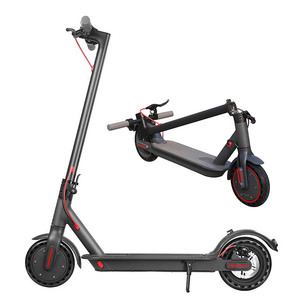
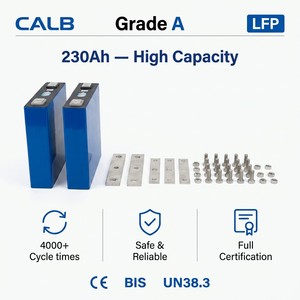
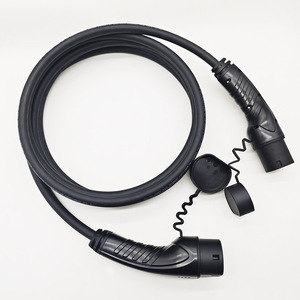
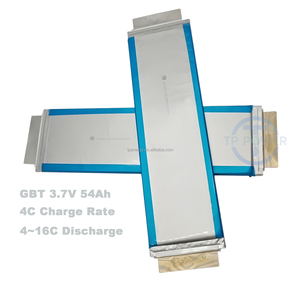
Our Tier-1 factory operations optimize Silicon Carbide (SiC) power switching, automated thermal potting, and CAN 2.0B protocol handshakes to guarantee maximum charging performance for light electric vehicles.
| Architecture Feature | Standard Wholesale Chargers | Our OEM Automotive-Grade Chargers | Procurement Advantage |
|---|---|---|---|
| Power Semiconductor | Traditional Silicon (Si) IGBTs | Advanced Silicon Carbide (SiC) MOSFETs | Higher power density, 40% reduction in heat generation |
| Communication Protocol | Fixed Voltage / Analog Control | Isolated CAN 2.0B / SAE J1939 Protocols | Real-time BMS handshakes, adaptive charging curves |
| Thermal Management | External Air Cooling Fans | Automotive Structural Potting & Liquid-Cooled Ready | Zero dust/water ingress, fan-less silent operation |
| Input Voltage Tolerance | 90V – 240V AC Single Phase | 85V – 265V Wide AC Input with Active PFC (>0.99) | Global grid compatibility without hardware reconfiguration |
| BMS Protection Sync | Basic Over-Voltage Relay | Multi-stage Hardware & Software Fault Interrupt | Prevents thermal runaway; safeguards cell life |
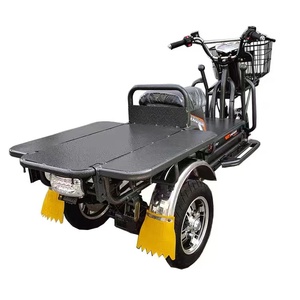
By integrating structural principles borrowed from aerospace engineering—such as ultra-lightweight extruded alloy chassis design and minimal-component modularity—our manufacturing ecosystem reduces unnecessary vehicle weight while maximizing payload capacity and battery range.
Whether you are expanding a last-mile delivery fleet, assembling high-performance urban commuter motorcycles, or integrating modular fast-charging EVSE units, our manufacturing facilities in China bridge the gap between high-end California design vision and cost-efficient scalable production.
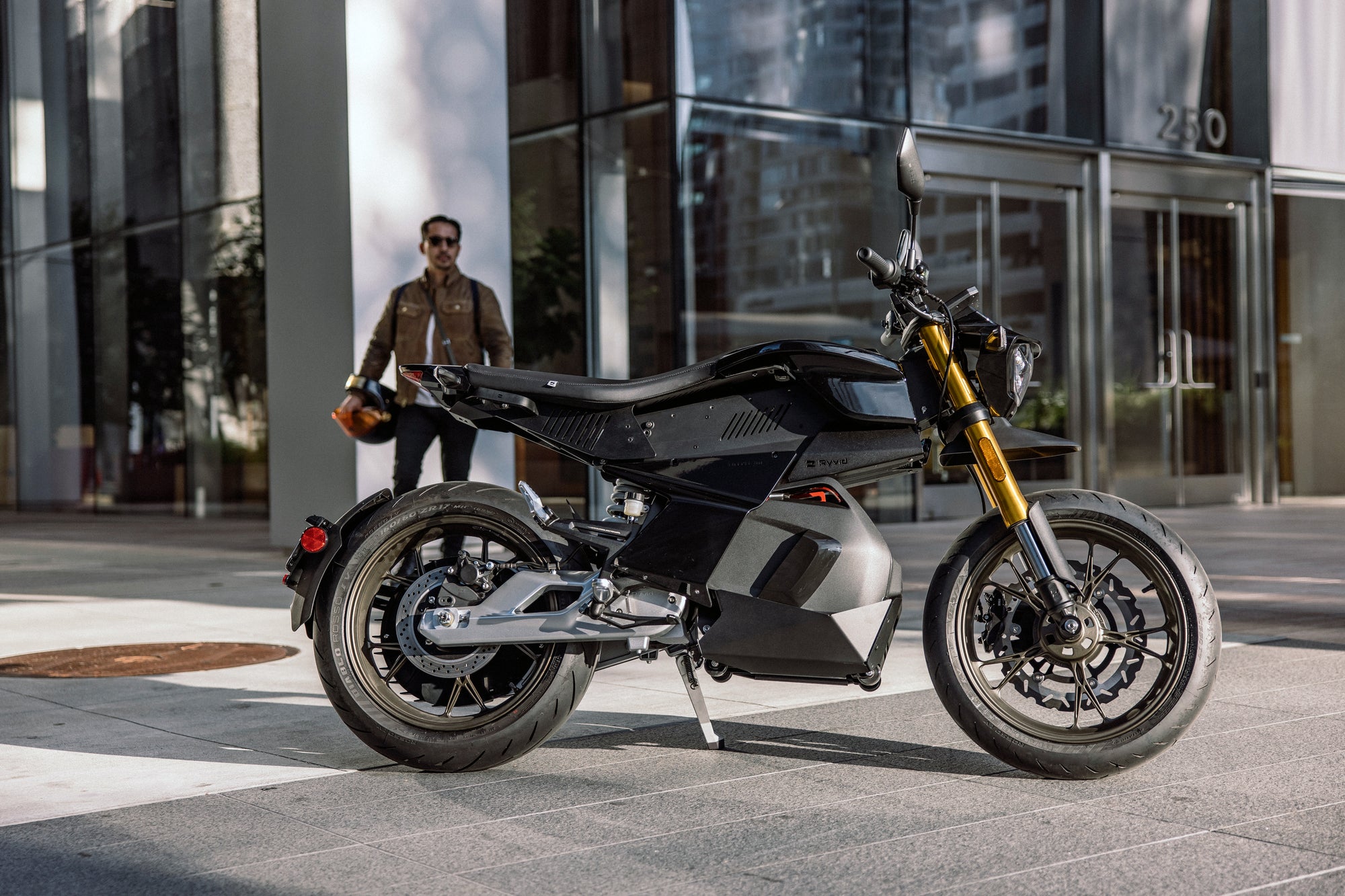
As global urban transport shifts toward electrifying two-wheelers and commercial delivery vehicles, B2B procurement strategies are evolving beyond simple unit-cost buying toward total cost of ownership (TCO) optimization.
Commercial EV fleet operators are rapidly moving from low-voltage 48V systems to high-voltage 72V, 96V, and 144V powertrains. High-voltage architectures reduce current draw, minimizing resistive copper heat loss and enabling thinner wiring harnesses. OEM buyers must source chargers capable of dynamic wide-voltage range output to support multi-platform fleet standardization.
Modern electric motorcycle chargers are no longer standalone power converters. Advanced procurement requests mandate integrated Bluetooth, Wi-Fi, or cellular IoT modules. Cloud-connected chargers allow fleet managers to push Over-the-Air (OTA) firmware updates, track state-of-health (SoH) metrics, adjust charging schedules during off-peak utility tariffs, and diagnose potential BMS faults before operational downtime occurs.
Procurement departments favor suppliers providing hybrid solutions—compact onboard chargers (OBC) embedded inside the motorcycle chassis paired with portable high-power EVSE cables (Type 2 to Type 2 or Type 1). This dual approach guarantees riders can plug into standard wall outlets or public AC EVSE charging posts seamlessly.
Emerging urban utility vehicles require bidirectional power electronics. Chargers equipped with V2L functionality transform an electric motorcycle's battery into a mobile energy storage system (ESS), powering tools, emergency equipment, or auxiliary mobile displays directly from the vehicle's traction pack.
In high-density delivery markets, battery swapping ecosystems require chargers capable of simultaneous multi-bay parallel charging. China wholesale suppliers offering high-capacity, multi-channel charging rack solutions with individual channel thermal monitoring are winning major global fleet contracts.
Fleet manufacturers are shifting from cylindrical 18650/21700 cells toward high-capacity LiFePO4 prismatic cells (such as CALB 230Ah) and lightweight pouch cells. Intelligent chargers must feature finely tuned multi-stage charging algorithms to balance high ampacity fast charging while preventing lithium plating.
Analyzing the shift toward zero-maintenance drivetrains, aerospace-inspired lightweight chassis structures, and high-brightness sunlight-readable smart cockpits.
The adoption of Gallium Nitride (GaN) and Silicon Carbide (SiC) power switching elements is revolutionary. By increasing switching frequencies above 200 kHz, charger manufacturers can reduce magnetic component sizes by 50%, resulting in featherweight chargers that fit directly into tight EV motorcycle frame cavities without compromising power output.
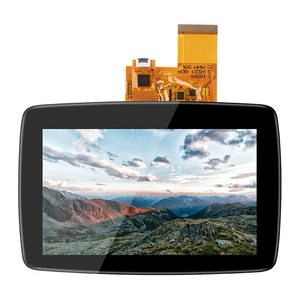
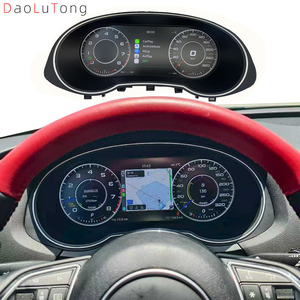
Modern rider interfaces are morphing from static analog speedometers into high-brightness (1000+ nits) optical-bonded TFT displays. Integrating capacitive touchscreens with CAN bus telemetry allows real-time display of battery state-of-charge, estimated thermal degradation, and live charger diagnostic codes right on the handlebars.
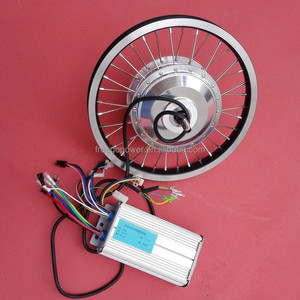
By pairing direct-drive hub motors or belt-driven mid-motors with brushless motor controllers (like ASI controller upgrades), OEMs eliminate gearbox complexity. Coupled with sealed IP67 on-board chargers, total powertrain maintenance drops by over 80% compared to internal combustion engine (ICE) transport.
Direct answers to technical, logistics, compliance, and custom engineering inquiries from international distributors, original equipment manufacturers (OEMs), and fleet operators.
Combining aerospace structural innovation with high-throughput automated electronics assembly to give your brand a decisive cost and engineering advantage.
High-speed Surface Mount Technology (SMT) lines combined with automated polyurethane thermal potting machines ensure consistent component placement and 100% moisture sealing for all charger circuit boards.
From custom branding, customized dynamic LCD cluster graphics, custom CANbus baud rates, to bespoke extruded aluminum heatsinks—we tailor every component to your exact product specification.
Our engineering support goes beyond component supply. We offer system-level consultation across battery cell selection (LiFePO4 prismatic/pouch), motor controller calibration, and fast EVSE cable matching.
Looking for a reliable China wholesale electric motorcycle charger factory or OEM component partner? Contact our engineering sales team today to request samples, detailed technical datasheets, or a factory direct pricing quotation.