
Popular destinations
Popular destinations
Explore high-performance tubeless motorcycle tires, high-torque electric drive powertrains, dynamic tension systems, and smart digital instrument clusters engineered for international markets.

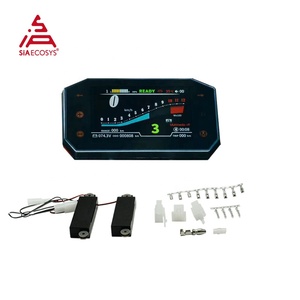
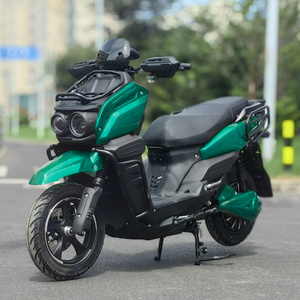
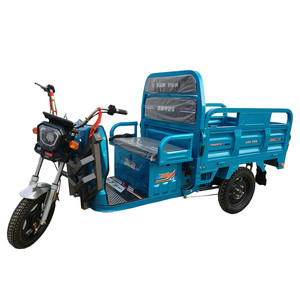
As the global personal mobility and last-mile delivery sectors experience unprecedented expansion, the demand for high-durability, safety-compliant tubeless motorcycle tires (TL) has reached historical highs. Traditional tube-type tires (TT) are rapidly being phased out across urban commuter, sports-touring, and commercial electric delivery fleets. China has established itself as the epicenter of tubeless motorcycle tire engineering, pairing automated vulcanization infrastructure with cutting-edge silica polymer research.
Modern tubeless motorcycle tire construction eliminates the inner tube, relying instead on a specialized inner liner layer of synthetic butyl rubber that seals pressurized air directly against a precision-beaded rim. This architecture fundamentally changes ride stability, puncture mitigation, and heat dissipation dynamics. When a tubeless tire experiences a nail penetration, air leaks gradually around the foreign object rather than causing instantaneous catastrophic deflation. For fleet operators, commercial importers, and original equipment manufacturers (OEMs), sourcing tubeless tires from China offers an unmatchable balance of structural longevity, compliance validation, and cost-efficiency.
Core Industry Insight: Transitioning fleet operations from conventional tube-type tires to reinforced silica tubeless tires reduces road-puncture downtime by up to 74% while improving rolling efficiency by 8.5% across urban riding cycles.
Leading Chinese tire manufacturers now integrate aerospace-inspired chassis simulation modeling, finite element analysis (FEA) tread deformation mapping, and robotic compounding systems. This engineering evolution ensures that export-grade tires meet or exceed international regulatory frameworks, including US Department of Transportation (DOT), European E-Mark (ECE Regulation 75), and China Compulsory Certificate (CCC) standards.
The performance metrics of modern tubeless motorcycle tires depend almost entirely on compound formulation and carcass ply architecture. Leading Chinese tier-1 exporters utilize multi-stage compounding technology that fuses natural rubber matrices with high-dispersion micro-silica compounds and carbon black reinforcement agents.
Features a harder, wear-resistant compound along the center tread line to maximize straight-line mileage, paired with softer, high-silica shoulder compounds that increase cornering grip in wet and dry conditions.
Spiral-wound continuous aramid or steel belt layers maintain radial stability under high centrifugal forces, preventing tire expansion at speeds exceeding 150 km/h.
Formulated with high-density halogenated butyl rubber (HIIR), preventing micro-porous pressure drops and maintaining optimal internal inflation pressure for extended intervals.
Precision-engineered bead rings coated with specialized rubber filler prevent bead unseating during aggressive cornering or low-pressure emergency maneuvers.
Understanding these structural parameters allows OEM procurement officers to specify precise shore hardness values (typically Shore A 60–68 for center tread, Shore A 52–58 for shoulder compounds) based on target regional climates—whether delivering high-heat asphalt durability for Middle Eastern markets or wet-traction safety for Southeast Asian monsoon environments.
To assist wholesale buyers and fleet engineering teams in evaluating product line migrations, the following empirical performance comparison highlights key operational metrics verified through laboratory drum tests and real-world track telemetry.
| Performance Parameter | Premium Tubeless Tire (TL) | Standard Tube-Type Tire (TT) | Operational Fleet Impact |
|---|---|---|---|
| Puncture Resistance & Deflation Speed | Slow pressure dissipation (Gradual seal around object) | Rapid explosive pressure loss (Catastrophic air release) | Substantially increases rider safety and vehicle control |
| Heat Dissipation Efficiency | Direct heat transfer through rim metal (Cooler operation) | Thermal trapping between tube and casing friction | Extends rubber lifespan by 22% under heavy loads |
| Rolling Resistance Coefficient (RRC) | 0.0085 – 0.0105 kg/t | 0.0120 – 0.0150 kg/t | Increases EV battery range per charge by 6% to 9% |
| Unsprung Structural Weight | 3.2 – 4.5 kg per wheel assembly | 4.1 – 5.6 kg (Including tube + rim tape) | Enhances suspension response and acceleration agility |
| Repair Field Complexity | External plug insert within 3 minutes | Wheel removal, tire demounting, tube patching/replacement | Minimizes roadside downtime for logistics operations |
Our manufacturing alliance partners operate automated mega-facilities in Shandong, Zhejiang, and Jiangsu provinces, equipped with Italian compounding mixers, German Krupp extrusion lines, and Japanese VMI tire building machines. Operating under strict aerospace-grade precision standards, our export quality management protocols encompass four rigorous inspection layers:
Every tubeless casing undergoes high-speed laser balance checking to ensure lateral radial runout remains under 0.8mm, eliminating high-speed vibration.
Real-time X-ray inspection detects carcass ply misalignment, air trap voids, or bead wire distortion prior to steam vulcanization.
Sample units undergo destructive hydraulic press tests, exceeding nominal inflation pressure limits by over 300% to ensure casing integrity.
Accelerated climatic testing exposes tread compounds to high ozone concentrations and UV radiation to prevent sidewall cracking in tropical zones.
OEM / ODM Customization Scope: We offer customized tread pattern carving, private label sidewall branding, customized rubber compound tuning (high-mileage vs. high-grip), and specialized export packaging options tailored to distributor branding guidelines.
The rapidly accelerating transition toward electric motorcycles and urban e-scooters is redefining tubeless tire engineering specifications globally. Electric two-wheelers generate instant peak torque from zero RPM and carry heavier battery payloads, requiring tires optimized for distinct mechanical stressors:
1. Instant Torque Resistance: Electric drivetrains deliver immediate rotational torque to the rear tire bead. Modern EV-tubeless tires feature reinforced bead cores and anti-slip tread base layers to prevent rim slip during maximum acceleration.
2. Ultra-Low Rolling Resistance (ULRR): EV range optimization requires lowering the tire rolling resistance coefficient without sacrificing wet cornering grip. This is accomplished using functionalized silica polymers and liquid-phase mixing technology.
3. Smart RFID Tire Tagging: Commercial fleet managers are adopting tubeless tires embedded with passive UHF RFID microchips inside the carcass. These tags communicate directly with depot scanners, transmitting real-time tire serial numbers, mileage tracking data, and historical maintenance logs for predictive fleet management.
4. Sustainable Bio-Based Elastomers: Environmental regulations in the EU and North America are driving the adoption of sustainable raw materials. Top Chinese exporters are incorporating bio-silica derived from rice husk ash and sustainable dandelion natural rubber substitutes into mass production lines.
For international buyers navigating container shipping dynamics, raw material price fluctuations (natural rubber TSR20 and synthetic butadiene), and tariff structures, structured procurement strategies are vital for margin protection:
Volume-Based Freight Optimization: Tubeless tires offer significantly higher packing density compared to tubed assemblies. Utilizing automated mechanical tire nesting techniques allows up to 25% more tire casings to be packed into standard 40ft High Cube (HQ) containers, drastically reducing sea freight cost per unit.
Raw Material Index-Linked Pricing Contracts: Strategic OEM procurement contracts incorporate transparent price adjustment formulas indexed to Singapore Commodity Exchange (SICOM) rubber benchmarks, shielding buyers from unannounced price spikes.
Consolidated Multi-SKU Order Fulfillment: Importers can mix high-demand commuter tubeless tire sizes (such as 120/70-12, 130/70-12, 110/80-14, 120/80-17) alongside electric motorcycle components, battery modules, and digital speedometers within single container shipments, optimizing cash flow and warehouse inventory turnover.
Direct technical and commercial answers for OEM procurement managers, distributors, and fleet importers.
Standard production runs for customized OEM sidewall branding and private-label tread patterns typically start at 500 units per individual tire size. For standard catalog sizes in factory stock patterns, lower trial order quantities starting at 100 units can be accommodated within consolidated container shipments.
Export-grade tubeless tires undergo rigorous testing in accredited third-party laboratories (such as TÜV SÜD and SGS). Markings including DOT plant identification codes, E-Mark numbers (e.g., E4, E8, E11), load index codes, and speed symbols are molded directly into the tire sidewall in strict accordance with international legal requirements.
When stored in a climate-controlled warehouse away from direct sunlight, ozone sources, and ambient temperatures below 25°C, high-quality butyl-lined tubeless tires maintain optimal rubber elasticity and structural integrity for up to 5 years from the vulcanization production date.
Tubeless tires require a sealed rim bed and specialized tubeless bead profiles to maintain an airtight seal. Standard spoked rims allow air to escape through the spoke nipples. However, tubeless tires can be safely installed on sealed alloy cast wheels or specialized tubeless cross-spoked rims designed with outer edge spoke mountings.
We recommend our High-Silica Rain Tread (HSR) compound matrix. Formulated with up to 45% dispersible silica, this compound retains flexibility at lower ambient temperatures while maximizing micro-contact area on wet road surfaces, reducing braking distances by up to 18% compared to standard carbon-black compounds.
All export tires are wrapped in heavy-duty moisture-resistant polypropylene protective film or bundled with reinforced strapping tapes. Containers are treated with industrial desiccants to prevent sweat damage during tropical sea transit, ensuring clean presentation upon warehouse arrival.
Partner with China's leading tubeless motorcycle tire manufacturers. Request technical datasheets, full OEM pricing catalogs, or custom mold development consults today.
Inquire Now