
Popular destinations
Popular destinations
Explore our export-ready protective armor, high-precision instrument clusters, electric powertrain components, and fast-charging infrastructure manufactured under strict IATF 16949 standards.
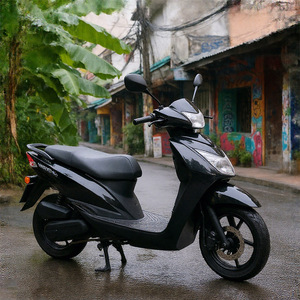
Aerospace-inspired structural steel frame with integrated impact-absorbing side fairings. Optimized for CKD/SKD global logistics.
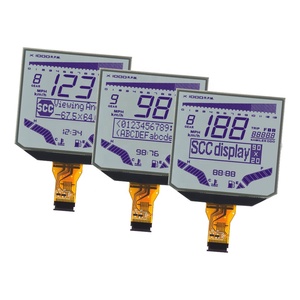
Vibration-proof, IP67 waterproof dashboard screen designed for extreme terrain and high-impact motorcycle setups.
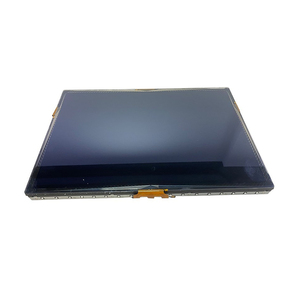
Automotive-grade high-definition telemetry cluster featuring CAN-bus connectivity for intelligent vehicle telemetry.
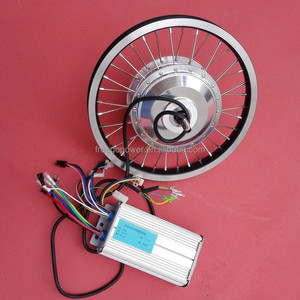
High-efficiency brushless hub motor with hall-effect sensors, integrated dynamic braking, and thermal protection casing.
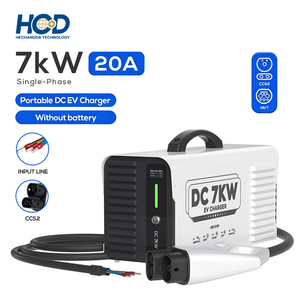
Ruggedized aluminum shell mobile DC charger built for roadside support fleets and rapid power replenishment.
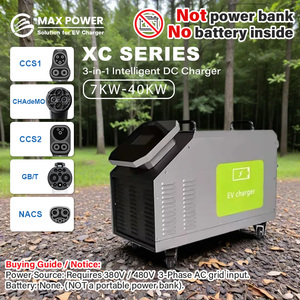
Multi-protocol industrial mobile fast charger with active liquid/air cooling and impact-resistant outer casing.
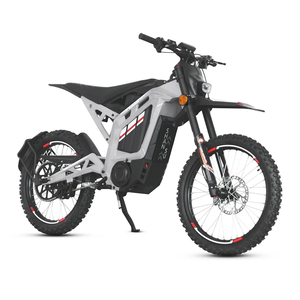
Reinforced 6061-T6 aluminum enduro chassis engineered to absorb massive drop impacts during extreme off-road riding.
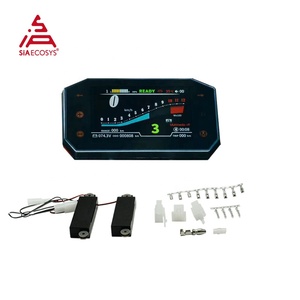
Universal programmable digital TFT speedometer panel with anti-UV housing for rugged powersports applications.
Operating out of China’s premier industrial manufacturing clusters, our production facilities combine aerospace structural design with high-molecular polymer chemistry to deliver certified protective armor for global markets.
We utilize proprietary shear-thickening non-Newtonian polymer blends that remain flexible during normal riding but instant-harden upon kinetic impact, dissipating kinetic energy up to 45% more efficiently than standard EVA foam.
Every batch of CE EN 1621-1 (Elbow, Shoulder, Knee, Hip) and EN 1621-2 (Back) armor undergoes rigorous drop-impact conditioning at extreme temperatures ranging from -20°C cold storage to +40°C heat ambient testing.
Pioneering the synergy between personal protective equipment (PPE) and electric vehicle telemetry. Our hardware supports active sensor integration, digital TFT cluster feeds, and smart airbag actuation protocols.
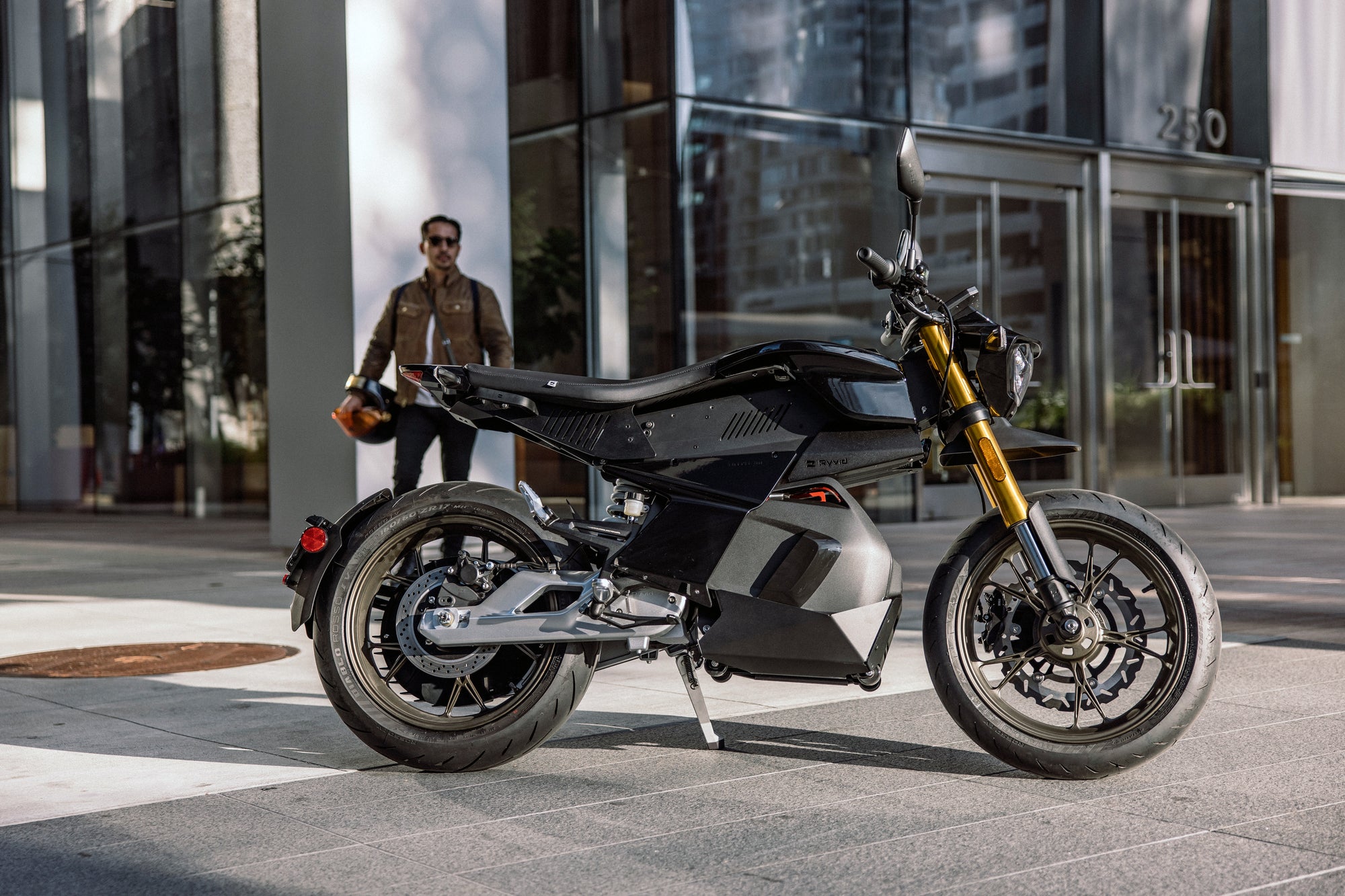
The global motorcycle protection landscape is experiencing a massive transformation driven by urban electrification and higher safety standards. Traditional heavy plastic shell armors are being replaced by lightweight, multi-density composite systems engineered using structural topology optimization.
| Armor Material Type | Impact Energy Transmitted (kN) | CE Certification Level | Flexibility & Ergonomics | Optimal Application |
|---|---|---|---|---|
| Viscoelastic Non-Newtonian PU | < 9.5 kN (Cold/Heat Conditioned) | EN 1621-1:2012 Level 2 | Ultra-High (Body Malleable) | Premium Adventure & Urban Commuter Gear |
| High-Density Molded EVA Foam | 18 kN – 28 kN | EN 1621-1:2012 Level 1 | Moderate (Semi-Rigid) | Entry-Level Street Protection & Off-Road Pads |
| Hard Shell Polycarbonate + EPS | < 14 kN (Point Impact Distributed) | EN 1621-2:2014 Level 2 | Low (Rigid Armor) | Enduro Racing, MX & Extreme Downhill |
| Smart Tether Airbag Vest Module | < 4.0 kN (Pneumatic Cushion) | EN 1621-4:2013 Airbag Standard | Active Inflation (<35ms) | Track Racing, Highway Commuting, Fleet Operators |
For international procurement directors, distributors, and motorcycle brand owners, key market shifts require updated vendor selection criteria.
Global regulatory bodies, especially within the European Union (REACH Directive & EU Eco-Design Standards), are driving demand for plant-derived polyols and recycled thermoplastic urethanes (rTPU). Leading Chinese exporter factories are now deploying 30%+ bio-based polyurethane formulations that maintain identical impact absorption metrics without increasing carbon footprint.
The traditional 90-day lead time for custom injection mold development has been disrupted. Utilizing 3D optical scanning, FEA (Finite Element Analysis) impact simulations, and rapid aluminum tooling, custom OEM armor pad shapes can now transition from initial CAD design to certified production samples in as little as 14 business days.
As light electric vehicles (LEVs) and high-performance electric motorcycles gain global market share, protective gear must interface directly with vehicle sensors. Modern instrument displays—such as anti-glare TFT screens and smart gauge clusters—feed real-time tire pressure, dynamic brake alerts, and battery status directly into smart helmet HUDs and connected armor jackets.
Ensure regulatory compliance and eliminate batch variation with our rigorous factory quality control standard.
Testing incoming polyurethane polyols and TPU granules via Fourier-Transform Infrared (FTIR) spectroscopy to guarantee molecular consistency and zero toxic plasticizer contamination.
Subjecting sample batches to 24-hour climate chamber exposure: Cold (-20°C), Heat (+40°C), and Hydrolysis (Wet Ambient) testing before drop testing.
Measuring residual peak force (kN) using calibrated piezoresistive sensors under a 50 Joule impact anvil strike to ensure full CE Level 1 / Level 2 compliance.
Laser scanning armor inserts to verify zero warping, pocket-fit tolerances within +/- 0.5mm, and flexibility endurance across 10,000 bending cycles.
Laser etching batch serial numbers onto every protector insert for complete material provenance, lab test certification mapping, and seamless customs clearance documentation.
Hermetically sealing export cartons with anti-desiccant barriers to safeguard polymer chemical stability during ocean freight transport.
Get immediate answers regarding minimum order quantities, customization options, certification standards, and factory export logistics.
Our standard MOQ for stock CE-certified protector molds (Elbow, Shoulder, Knee, Back) is 500 pairs per style. For full custom OEM molding using bespoke CAD dimensions and brand colorways, our typical MOQ starts at 1,000 pairs, with mold tooling costs amortized over bulk production runs.
Reputable tier-1 manufacturers partner directly with accredited European notify bodies such as Ricotest, SATRA, or TÜV Rheinland. Production samples undergo initial type-examination tests, followed by annual factory audits and mandatory batch-level drop-tower testing to maintain CE module B/C/D validity.
Yes. As a comprehensive e-mobility equipment exporter, we manufacture both physical impact-absorption pads and smart vehicle telemetry systems—including anti-glare LCD/TFT display clusters, CAN-bus instrument panels, and portable EV fast-charging stations designed for electric fleet operations.
Standard catalog items ship within 15 to 20 calendar days after sample confirmation. Custom OEM tool creation requires 14 to 21 days, with mass production completing within 25 days following sample sign-off. We provide FOB, CIF, DDP, and CKD/SKD delivery terms worldwide.
The main difference lies in energy transmission limits under impact testing. For limb protectors (EN 1621-1), CE Level 1 requires the average transmitted peak force to be below 35 kN, whereas CE Level 2 demands superior impact absorption with an average transmitted peak force below 18 kN (our premium viscoelastic formulations average under 10 kN).
Standard EVA foam hardens and becomes brittle in freezing conditions. However, our specialized low-temperature resistant polyurethane formulas pass the EN 1621 optional cold test (-10°C and -20°C conditioning), maintaining high flexibility and impact absorption without structural degradation.
Whether you are expanding a global apparel line with CE-certified armor inserts or sourcing integrated EV dashboards and charging hardware, our engineering team provides end-to-end OEM/ODM support.
Get a Quote