China Top Motorcycle Body Kits Manufacturers & Suppliers
2026 Engineering White Paper: Precision OEM Fairings, Aerospace Structural Plastics & Next-Gen EV Body Assembly Solutions
Enterprise Procurement Showcase
Featured Motorcycle Body Kits & Integrated Systems
Explore high-precision body assemblies, structural enclosures, power electronics, and turnkey CKD/SKD mobility solutions engineered for global importers, distributors, and OEMs.
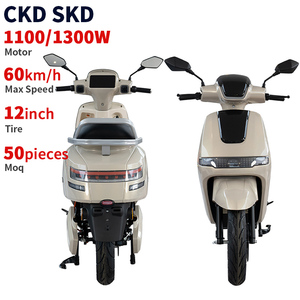
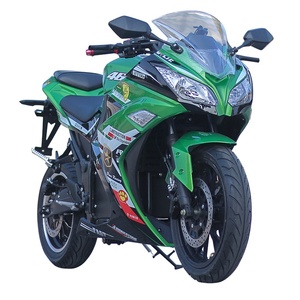
CKD SKD 12inch 2 Wheeler Electric Scooter 1100/1300W 60km/h Speed Electric Motorcycle Wholesale Manufacturer in China
Executive Summary: Navigating China’s Motorcycle Body Kit Sourcing Ecosystem
The global powersports and personal mobility market is undergoing a seismic structural pivot. As demand accelerates for high-performance internal combustion engine (ICE) sportbikes, urban commuter scooters, and lightweight electric vehicles (EVs), international buyers require more than standard plastic covers. Modern motorcycle body kits, fairings, and structural body panels are highly engineered safety and aerodynamic systems requiring strict structural integrity, thermal resistance, UV stability, and exact dimensional tolerances.
China stands at the epicenter of world-class motorcycle plastics manufacturing, combining massive tooling scale with advanced material science. However, navigating the vendor landscape demands deep technical scrutiny. Sourcing directors must evaluate raw resin sourcing (virgin ABS vs. recycled polymers), multi-cavity injection mold tooling engineering, robotic painting automated lines, and seamless assembly integration for Complete Knock Down (CKD) or Semi Knock Down (SKD) supply chains.
Search Quality & Procurement Insight: Leading OEM buyers no longer select manufacturers based purely on piece-price metrics. Strategic sourcing focuses on total cost of quality (TCQ), including structural flex modulus, mounting point stress tolerance under 120 km/h wind shear, Class-A automotive paint finish thickness, and supply chain modularity.
This technical guide details the structural material benchmarks, manufacturing standards, market trends, and enterprise capabilities defining China’s premier motorcycle body kit suppliers in 2026 and beyond.
Our manufacturing ecosystem merges aerospace structural principles with high-throughput automotive molding standards, delivering unmatched body panel accuracy.
Aerospace-Inspired Structural Framework
Utilizing FEA (Finite Element Analysis) stress simulations, our fairings and body panels achieve optimal rigidity-to-weight ratios. Engineered to absorb high vibrational shock while maintaining structural alignment under extreme thermal conditions (-30°C to +85°C).
Tooling & Injection Mold Excellence
Equipped with 1,200-ton hydraulic press machines and CNC high-speed machining centers, our tooling facilities yield tolerance precision within ±0.05mm. Mold lifespan exceeds 500,000 shots using premium P20 and NAK80 steel dies.
Automated Robotic 2K UV Painting
Multi-layer electrostatic spraying within ISO Class 7 cleanroom booths ensures zero dust contamination. Finished with polyurethane (2K) clear coat and anti-UV additives, guaranteeing color retention without yellowing or peeling for 5+ years.
Integrated Power & Controller Enclosures
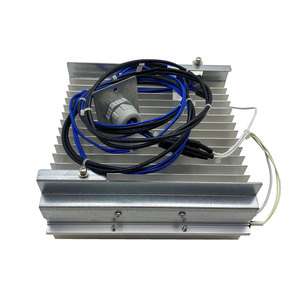
Body kits tailored for EV powertrains incorporate dedicated thermal ventilation channels and IP67 waterproof battery compartment shrouds, facilitating seamless pairing with BMS, motor controllers, and harness routing.
Turnkey CKD / SKD Export Optimization
Custom foam nesting, protective film masking, and modular box packaging minimize ocean freight cubage while achieving less than 0.02% transit damage across international logistics routes.
Industry Development Trends: Engineering & Material Science (2026-2030)
The global motorcycle fairing and body panel industry is experiencing rapid technological evolution driven by strict emissions targets, fuel/energy efficiency standards, and shifting consumer aesthetics. To maintain market leadership, tier-1 Chinese manufacturers are pioneering innovations across four critical vectors:
1. Advanced Polymer Alloy Formulations
While traditional aftermarket body kits relied heavily on basic compression-molded fiberglass or low-grade recycled ABS (Acrylonitrile Butadiene Styrene), next-generation OEM body kits deploy advanced engineering thermoplastics. Formulations such as Polycarbonate-ABS (PC-ABS) alloys and Nylon (PA66) reinforced with 15-30% short carbon fibers offer superior impact toughness, flame retardancy (UL94 V-0 compliance), and structural stiffness at significantly lower shell thicknesses.
2. Aerodynamic Computational Fluid Dynamics (CFD)
Modern body design utilizes wind-tunnel validated CFD models to minimize drag coefficients (Cd). Integrated winglets, ram-air scoops, and undertray diffusers are no longer aesthetic gimmicks; they provide actionable downforce at high velocities and direct optimal airflow into EV cooling jackets or ICE radiator cores, increasing power efficiency by up to 8%.
Material Category
Tensile Strength (MPa)
Flexural Modulus (GPa)
Heat Deflection Temp (°C)
Primary Application Zone
Virgin LG ABS-210
45 - 50
2.2 - 2.5
85°C - 92°C
Side fairings, tail cowls, fenders
PC-ABS Alloy Grade
58 - 65
2.6 - 3.0
105°C - 118°C
Headlight cowlings, battery covers
PA66 + 20% Carbon Fiber
110 - 130
6.5 - 8.0
180°C - 210°C
Structural subframes, engine belly pans
Dry Carbon (Autoclave)
350 - 450
25.0 - 32.0
> 250°C
Race fairings, premium EV superbike bodywork
3. EV Architecture Integration & Smart Body Shells
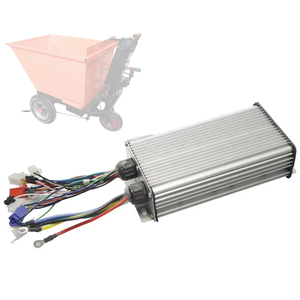
As electric motorcycles capture greater market share globally, body panel design must evolve to accommodate high-voltage battery enclosures, brushless motor controllers (like 48V-72V IP65 units), and regenerative braking cooling ducts. Forward-thinking manufacturers are embedding smart lighting channels, NFC unlock receivers, and blind-spot radar housing directly into the molded body panels.
4. Sustainable & Circular Manufacturing Processes
Global environmental regulations, including EU REACH and RoHS mandates, require suppliers to reduce volatile organic compounds (VOCs) during body panel painting. Waterborne polyurethane coatings combined with closed-loop resin recycling systems enable Chinese factories to produce carbon-neutral body kits without compromising cosmetic surface gloss.
Strategic Sourcing & Future Procurement Trends for B2B Importers
Securing a reliable OEM supplier in China requires a comprehensive procurement strategy that balances tooling investments with unit economics. B2B buyers must structure their vendor onboarding around three pivotal trends:
Modular Platform Standardization
Leading motorcycle brand owners are adopting unified sub-frame mounting dimensions across multiple vehicle models. By designing body kits around standardized hardpoints, brands can launch diverse stylistic variants (e.g., Naked, Sport, Adventure, Utility Delivery) while sharing 60% of internal structural plastic brackets, dramatically lowering mold development costs.
CKD & SKD Logistics Optimization
High ocean freight rates and regional assembly tariffs have driven the adoption of CKD (Complete Knock Down) body kit shipments. Top Chinese suppliers provide fully kit-packed units—complete with anti-vibration rubber grommets, stainless fasteners, pre-applied graphic decals, and color-matched trim components—enabling rapid assembly at destination factories within under 25 minutes per vehicle.
Furthermore, integrating critical electronic accessories—such as electronic brake controllers, BMS communication displays, and Fanuc-level automated production quality controls—directly within the vendor supply network streamlines inventory control and warranty management.
Answers to key technical, commercial, and quality assurance inquiries encountered by international purchasing teams.
What is the primary material difference between compression-molded and injection-molded motorcycle body kits?+
Injection molding utilizes high-pressure hydraulic equipment to force molten virgin ABS/PC-ABS resin into CNC-machined steel dies. This yields high structural density, uniform wall thickness (typically 2.8mm to 3.2mm), high flexibility, and exact mounting hole alignment (±0.05mm). In contrast, compression molding relies on hand-laid fiberglass or low-pressure resin poured into crude molds, resulting in brittle panels, uneven weight distribution, frequent air pockets, and manual drilling requirements during installation.
How do Chinese manufacturers guarantee paint color consistency across large OEM production runs?+
Top-tier suppliers utilize automated robotic painting arms operating within dust-free ISO Class 7 cleanrooms. Color matching is locked in using spectrophotometers and master color codes (Pantone / RAL / Automotive OEM formulas). Each batch undergoes a strict 3-stage inspection: 1) Primer adhesion cross-hatch testing (ISO 2409 standard), 2) Color difference verification under D65 standard lighting (Delta E < 0.8), and 3) Environmental aging chamber testing to guarantee resistance to gasoline spills, UV radiation, and thermal shock.
What are the lead times and tooling costs for custom ODM motorcycle body kit development?+
For custom body kit programs, 3D digital CAD modeling and CFD simulation require 7-10 days. Rapid 3D SLA prototype printing and fitment testing take 5-7 days. Injection mold tooling fabrication (using steel P20 or 718H) typically requires 35-45 days depending on panel complexity and cavity numbers. Once T1 sample approval is granted, mass production yields up to 1,000 complete body kit sets per week per mold line. Tooling investments generally range from $15,000 to $65,000 for a full vehicle body kit suite.
How are body kits packaged to prevent scratching and transit damage during international ocean transport?+
Export-grade packaging utilizes a multi-layered protection protocol. Each painted panel is individually wrapped in anti-static PE foam film and sealed in heavy-duty polybags. High-impact corner guards protect delicate fairing tips. The wrapped parts are nested into custom-molded EPS foam trays and placed within 7-ply double-wall corrugated shipping cartons. For CKD orders, master cartons are vacuum-strapped onto heat-treated ISPM-15 wooden pallets, maximizing container cube space while preventing movement during transit.
Can body kits be customized to fit both internal combustion engine (ICE) models and electric vehicle (EV) chassis platforms?+
Yes. Modern modular body kit systems can share identical external aesthetic fairings (side cowls, front masks, tail pieces) while utilizing internal modular mounting brackets tailored specifically to either an ICE subframe (engine mount clearance, exhaust cutouts) or an EV platform (battery bay covers, controller heat-sink ventilation, charging port flaps). This dual-compatibility allows brand owners to market identical design languages across both gas and electric vehicle lineups.
What regulatory certifications do body panel components require for North American and European markets?+
For international road homologation, plastic body components must comply with environmental and safety standards. In Europe, materials must satisfy REACH, RoHS, and EU Directive 97/24/EC Chapter 6 (shatter resistance and non-sharp edge requirements). Integrated light housings (headlight cowls, taillight lenses) must meet E-Mark (ECE) certifications. For the US market, DOT compliance, FMVSS 108 standards, and UL94 flammability ratings for electric vehicle battery covers are strictly audited.
Ready to Scale Your Motorcycle Production & Sourcing?
Connect with our senior engineering team to discuss custom injection mold tooling, OEM/ODM body kit projects, CKD pricing, or technical sample requests.