
Popular destinations
Popular destinations
Direct-from-factory urban commuting vehicles, heavy-duty powertrain conversion kits, and industrial lithium storage systems engineered to Tier-1 international standards.
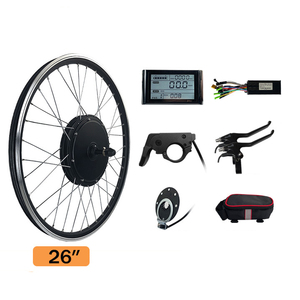
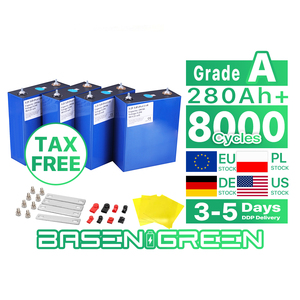
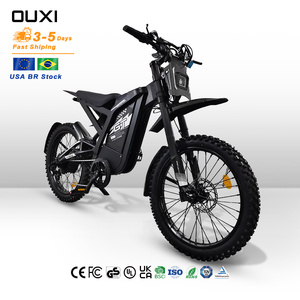
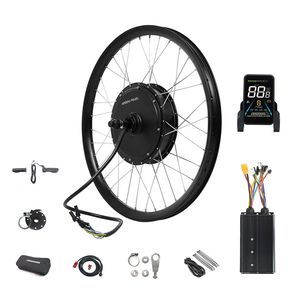
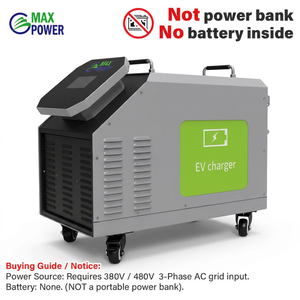
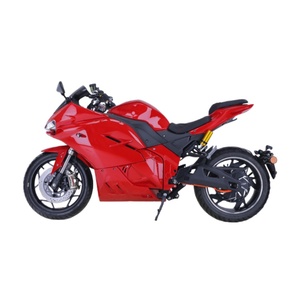
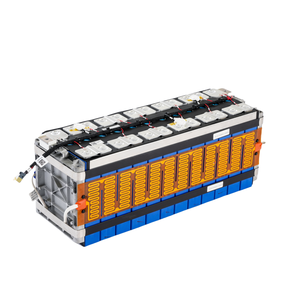
The global urban transportation landscape is undergoing an unprecedented structural transition towards zero-emission lightweight electric vehicles (EVs). Within the two-wheeler sector, urban electric commuter motorcycles have transcended their niche origin to become vital mobility infrastructure across North America, Europe, Southeast Asia, and Latin America. As municipal congestion pricing, stringent urban low-emission zones (LEZ), and volatile fossil fuel prices converge, enterprise fleet operators, commercial distributors, and OEM brand holders are aggressively seeking reliable manufacturing partners capable of delivering high-performance, compliant, and cost-effective electric platforms.
China has firmly established itself as the epicenter of global electric motorcycle manufacturing, controlling over 80% of the worldwide supply chain for electric powertrain units, high-density lithium-ion battery integration, Field-Oriented Control (FOC) vector controllers, and lightweight structural alloy frames. Modern Chinese manufacturing hubs—spanning Jiangsu, Zhejiang, Guangdong, and Chongqing—have evolved beyond mass production into sophisticated centers of engineering excellence, adhering strictly to ISO 9001 and IATF 16949 automotive management systems.
Traditional procurement strategies focused almost exclusively on Unit Purchase Price. However, Tier-1 international buyers now evaluate OEM partner capabilities through the lens of Total Lifecycle Economics (TLE), structural thermal management, firmware updateability (FOTA), modular frame scalability, and international homologation readiness (such as EEC L3e-A1/A2 in Europe and DOT/SAE compliance in North America). Chinese tier-1 factories lead this paradigm by pairing low manufacturing overheads with aerospace-grade component sourcing.
Future-proof procurement strategies prioritize modular frame architecture. Inspired by aerospace engineering principles, modern commuter electric motorcycles utilize fold-formed, high-strength aluminum alloy or stainless steel frames. This modularity enables brand owners to swap body panels, adjust seat height geometry via electronic actuators, and swap powertrains without re-tooling the entire chassis production line.
While low-speed 48V hub motors dominate entry-level e-bikes, urban commuter motorcycles are rapidly standardizing on 72V to 96V mid-drive Permanent Magnet Synchronous Motors (PMSM). Coupled with high-efficiency belt or chain final drives, mid-drive setups drastically reduce unsprung weight at the rear wheel, enhancing high-speed stability, heat dissipation, and continuous torque throughput required for highway commuting.
Urban apartment dwellers without private garage charging infrastructure demand removable battery packs. Leading Chinese factories are engineering integrated battery packs with internal heating systems, IP67 waterproof enclosures, and robust locking mechanisms. Utilizing automotive-grade Grade A Prismatic LiFePO4 or NCM cells, these battery packs interface seamlessly with home AC outlets or portable fast DC chargers.
Commercial fleet procurement now requires native IoT integration. Modern Chinese production lines embed Controller Area Network (CAN-bus) communication protocols linking the Motor Controller, Battery Management System (BMS), LCD/TFT Display, and telemetry hardware. This enables real-time remote diagnostics, geofencing, over-the-air (OTA) firmware updates, and predictive maintenance tracking for commercial operators.
To bypass high import tariffs on fully assembled vehicles (CBUs) in certain western territories, procurement heads are increasingly opting for Complete Knocked Down (CKD) or Semi-Knocked Down (SKD) kits. Top Chinese factories provide fully certified sub-assemblies, custom labeled conversion kits, and pre-wired harnesses, allowing local assembly plants to claim domestic assembly incentives.
The benchmark for high-performance electric commuting has risen significantly over recent years. B2B buyers must understand the core underlying technologies that separate substandard low-cost assemblies from world-class urban commuter motorcycles.
The brain of the electric motorcycle lies in its motor controller. Standard sine-wave controllers are rapidly being replaced by high-efficiency FOC controllers (such as ASI or custom-tuned factory units). FOC algorithms continuous track rotor position, delivering smooth linear acceleration from 0 RPM, eliminating noise, increasing motor efficiency up to 95%, and enabling variable multi-stage regenerative braking.
Taking cues from modern light aircraft design, leading manufacturers utilize high-strength extruded aluminum and stamped monocoque subframes. This structural approach minimizes frame flex during dynamic urban maneuvers, reduces total vehicle mass to under 110 kg (240 lbs), and houses electronic actuators that permit variable seat-height adjustments to accommodate diverse global rider demographics.
Safety and cycle life are non-negotiable for commercial deployment. Chinese tier-1 factories leverage Grade A Prismatic LiFePO4 (Lithium Iron Phosphate) and high-density NCM cells sourced directly from global leaders like CATL and EVE. Embedded Smart BMS modules monitor individual cell voltages, balance states of charge, prevent thermal runaway, and ensure operational resilience across extreme temperatures (-20°C to 60°C).
In urban stop-and-go commuting environments, brake wear and kinetic energy loss represent major operational inefficiencies. Modern electric commuter motorcycles feature dynamic variable regenerative braking integrated with hydraulic disc systems. By capturing kinetic energy during coasting and braking, these systems return up to 15-20% of energy back to the battery pack, substantially extending urban operational range while minimizing mechanical brake pad wear.
Navigating the supplier ecosystem requires a clear understanding of factory capabilities, quality control protocols, and vertical integration depth. Premier OEM/ODM factories offer distinct structural advantages that safeguard international brand investments:
From bespoke frame colorways (such as Galactica Black, Atomic Gold, Photon Blue, Carbon Grey) to custom-tuned controller maps, factory partner lines support deep engineering customization. Buyers can request specific tire compounds—ranging from ultra-grippy street rubber like Pirelli Diablo Rosso IV to all-weather multi-surface tires like Dunlop Mutant—tailored specifically to their target market's infrastructure.
Top-tier factories operate in-house testing laboratories equipped with dynamometers, chassis vibration testing rigs, rain simulation chambers, and salt-spray corrosion testers. Every vehicle batch undergoes rigorous end-of-line functional testing, ensuring full compliance with European EEC/CE standards and North American DOT registration requirements.
By controlling the fabrication of motor windings, harness crimping, frame welding, and battery pack assembly under one roof, Tier-1 factories minimize supply chain vulnerabilities, shorten production lead times, and maintain strict quality control across every component layer.
By eliminating internal combustion engines, oil filters, spark plugs, exhaust systems, and complex clutches, electric commuter motorcycles offer up to 70% lower routine maintenance costs over their operational lifecycle, providing compelling ROI figures for fleet purchasers.
Specialized B2B programs assist municipal law enforcement, postal services, and commercial delivery fleets with tailored frame attachments, siren/cargo integration, high-output DC-DC converters, and heavy-duty rear rack options.
Critical insights addressing manufacturing lead times, customization limits, international homologation, and warranty terms.
Connect directly with senior automotive engineers and supply chain specialists. Discuss customized technical specifications, request factory audits, or order evaluation demo units for your market.