
Popular destinations
Popular destinations
Explore our industrial portfolio of lightweight aluminum motorcycle chassis, high-efficiency motor controllers, interactive TFT smart dashes, and high-discharge lithium power modules manufactured for global electric mobility brands.
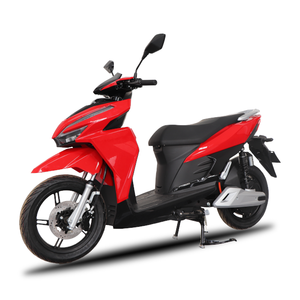
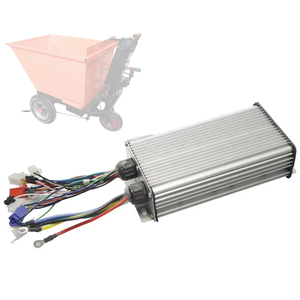
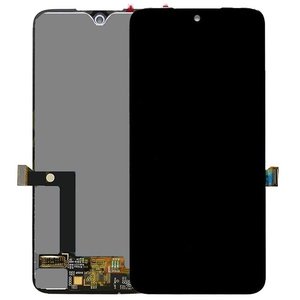
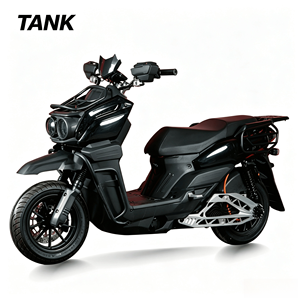
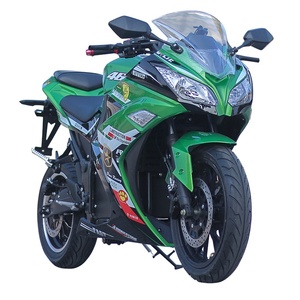
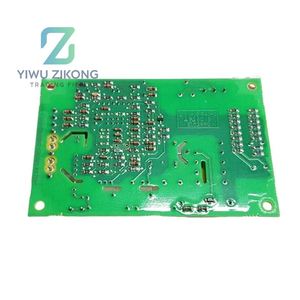
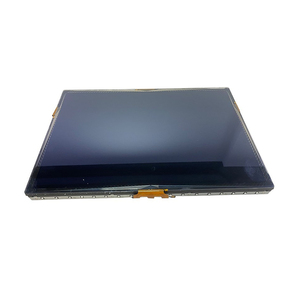
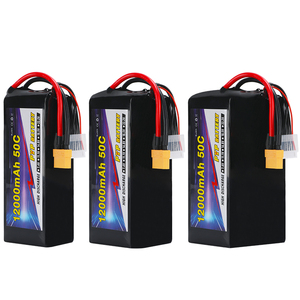
The global light electric vehicle (LEV) and powersports sectors are undergoing a massive architectural shift. As original equipment manufacturers (OEMs) demand longer range, faster acceleration, and enhanced payload capacity without ballooning battery weight, traditional steel trellis frames are rapidly being replaced by advanced extruded and die-cast aluminum motorcycle frames. Leading Chinese manufacturers are at the forefront of this structural transformation, combining aerospace-inspired design methodologies with automated manufacturing infrastructure.
Engineering an aluminum chassis for modern electric motorcycles involves resolving a complex dynamic conflict: achieving maximum torsional rigidity to handle instant electric motor torque while maintaining deliberate longitudinal compliance to absorb high-frequency road vibrations. Unlike internal combustion engine (ICE) motorcycles—where the engine block acts as a stressed member—electric powertrains present concentrated mass distributions in battery packs and hub/mid-drive motors. Aluminum chassis manufacturing solves this through multi-cavity extruded profiles that reinforce key stress nodes while reducing wall thickness in non-critical zones.
Information Gain Key Insight: Transitioning from a tubular steel chassis to a 6061-T6 extruded aluminum frame delivers an immediate 35% to 40% reduction in tare weight. In electric motorcycles, every 10 kg of structural weight saved yields an estimated 4.2% increase in usable battery range under urban stop-and-go driving cycles.
Modern Chinese aluminum frame fabrication leverages Finite Element Analysis (FEA) to map von Mises stress contours across steering heads, swingarm pivots, and shock mounting linkages. By optimizing the grain orientation during aluminum profile extrusion, engineers ensure that tensile forces align with the alloy's highest yield vector. Robotic TIG (Tungsten Inert Gas) and MIG (Metal Inert Gas) welding under automated argon gas shielding guarantee pore-free weld seams with deep penetration, eliminating structural fatigue micro-cracks under harsh road usage.
Furthermore, the thermal dissipation characteristics of aluminum (thermal conductivity around 167 W/m·K) allow the frame to double as a passive heat sink for integrated motor controllers and battery management systems (BMS). This dual-purpose structural integration is a cornerstone of modern aerospace-inspired EV design.
Choosing the correct aluminum alloy is crucial for balancing manufacturing costs, weight reduction targets, structural flex, and corrosion resistance. Below is an engineering comparison matrix developed for B2B procurement managers evaluating Chinese frame suppliers.
| Material / Alloy Grade | Yield Strength (MPa) | Tensile Strength (MPa) | Density (g/cm³) | Weldability & Machining | Corrosion Resistance | Target B2B Application |
|---|---|---|---|---|---|---|
| 6061-T6 Extruded Aluminum | 276 - 310 | 310 - 350 | 2.70 | Excellent (TIG/MIG) | High (Self-passivating) | Urban EV Commuters, Street Naked Bikes |
| 7075-T6 Forged Aerospace Alloy | 503 - 540 | 572 - 600 | 2.81 | Fair (CNC Machined) | Moderate (Requires Anodizing) | High-Performance Off-Road, Racing Subframes |
| A356.2 Die-Cast Aluminum | 185 - 205 | 260 - 280 | 2.68 | Good (Pores Controlled) | High | Complex Structural Nodes, Swingarm Castings |
| Chromoly Steel (4130 Comparison) | 460 - 600 | 730 - 850 | 7.85 | Excellent | Low (Requires Paint/Powder Coating) | Traditional Heavy Touring, Utility Motorcycles |
While 7075-T6 provides exceptional tensile properties suitable for high-stress CNC brackets and swingarm pivots, 6061-T6 remains the gold standard for full-frame extrusion due to its superior ductile behavior, workability, and cost-efficient heat treatment cycle (T4 solution heat treatment followed by T6 artificial aging).
Leading Chinese OEM manufacturers combine advanced robotic automation, rigorous ISO/TS 16949 quality management, and complete EV component ecosystem integration.
Custom multi-cavity aluminum extrusions engineered with variable wall thickness to optimize structural mass distribution and eliminate unnecessary frame deadweight.
Automated 6-axis ABB robotic TIG welding cells coupled with precision drop-bottom quenching furnaces ensure zero thermal warping and uniform T6 grain structure.
Pre-engineered mounting interfaces designed for seamless drop-in installation of 48V-72V controllers, TFT instrumentation, battery modules, and brake choppers.
100% quality validation through Hexagon 3D Coordinate Measuring Machines (CMM), ultrasonic weld flaw detectors, and dynamic frame fatigue test rigs.
Integrated wiring conduits and isolated battery tray bays built directly into the aluminum frame rails to prevent electromagnetic interference (EMI) and moisture ingress.
Comprehensive supply chain management from initial CAD/FEA prototyping, custom extrusion tooling, and salt-spray anodization to packaging and international freight.
As the international electric two-wheeler market expands toward high-speed highway motorcycles and commercial fleet electrification, procurement strategies are evolving rapidly. B2B buyers must anticipate several technology-driven shifts over the coming decade:
The separation between the frame and battery box is disappearing. Future aluminum chassis designs directly incorporate the outer shell of the battery module into the load-bearing frame structure. This Cell-to-Chassis (CTC) architecture eliminates redundant casing weight, increases volumetric energy density by up to 25%, and improves structural torsional stiffness.
Pioneered by innovative electric motorcycle designs such as Ryvid’s variable seat height actuators, future frame architectures are integrating linear actuator tracks within the main aluminum backbone. This permits electronic seat height adjustment, accommodating diverse rider demographics on standard production platforms without requiring custom subframes.
Global environmental mandates (such as the EU Carbon Border Adjustment Mechanism) are driving OEM procurement managers to mandate recycled low-carbon aluminum billets. Top Chinese aluminum frame factories are adopting hydro-powered smelting and closed-loop scrap recycling, reducing the embedded carbon footprint of chassis manufacturing by up to 70%.
Rather than sourcing frames, motor controllers, TFT dashboards, and battery packs independently, B2B procurement is consolidating around integrated powertrain suites. Modern controllers with IP65/IP67 ratings, high-frequency regenerative braking choppers, and high-brightness TFT clusters are now pre-engineered to fit directly into modular aluminum frame cavity geometry.
Elevate your electric motorcycle brand with aerospace-inspired 6061/7075 aluminum chassis engineering, custom extrusion tooling, and turnkey powertrain integration. Contact our senior OEM engineering squad today for technical consultation, FEA optimization, and custom quotation.
Inquire Now