Popular destinations
Popular destinations
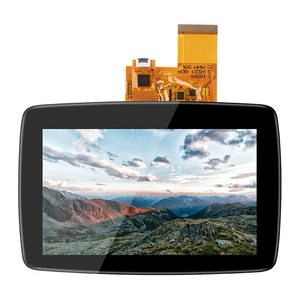
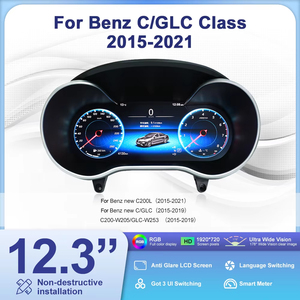
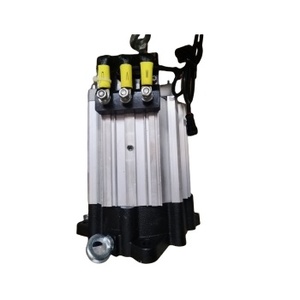
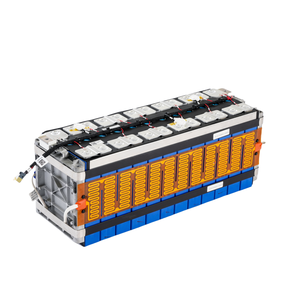
Explore tier-1 sub-assemblies, lithium energy systems, high-efficiency controllers, and smart digital clusters engineered for heavy-duty urban mobility export markets.
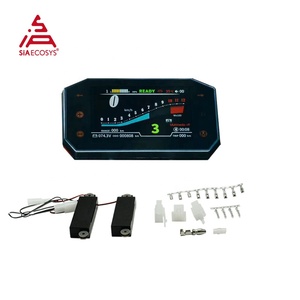
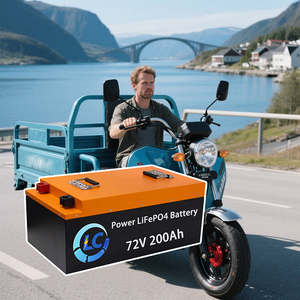
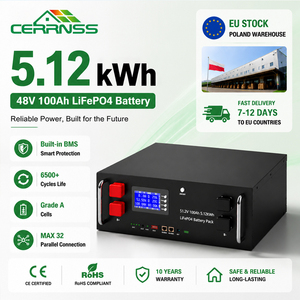
China’s electric two-wheeler manufacturing ecosystem has evolved from lightweight e-bikes into high-performance, aerospace-engineered urban electric motorcycles. International importers must navigate key technical metrics to capture market share.
SEO Information Gain Insight: Modern urban electric commuters demand more than basic transportation. Sourcing trends indicate a 140% YoY increase in procurement inquiries for vehicles featuring variable seat ergonomics, high-efficiency Field Oriented Control (FOC) vector controllers, and integrated regenerative braking systems capable of extending range by 15-22% in stop-and-go city traffic.
Understanding the structural and electronic innovations that define China’s top-tier urban electric motorcycle exporters.
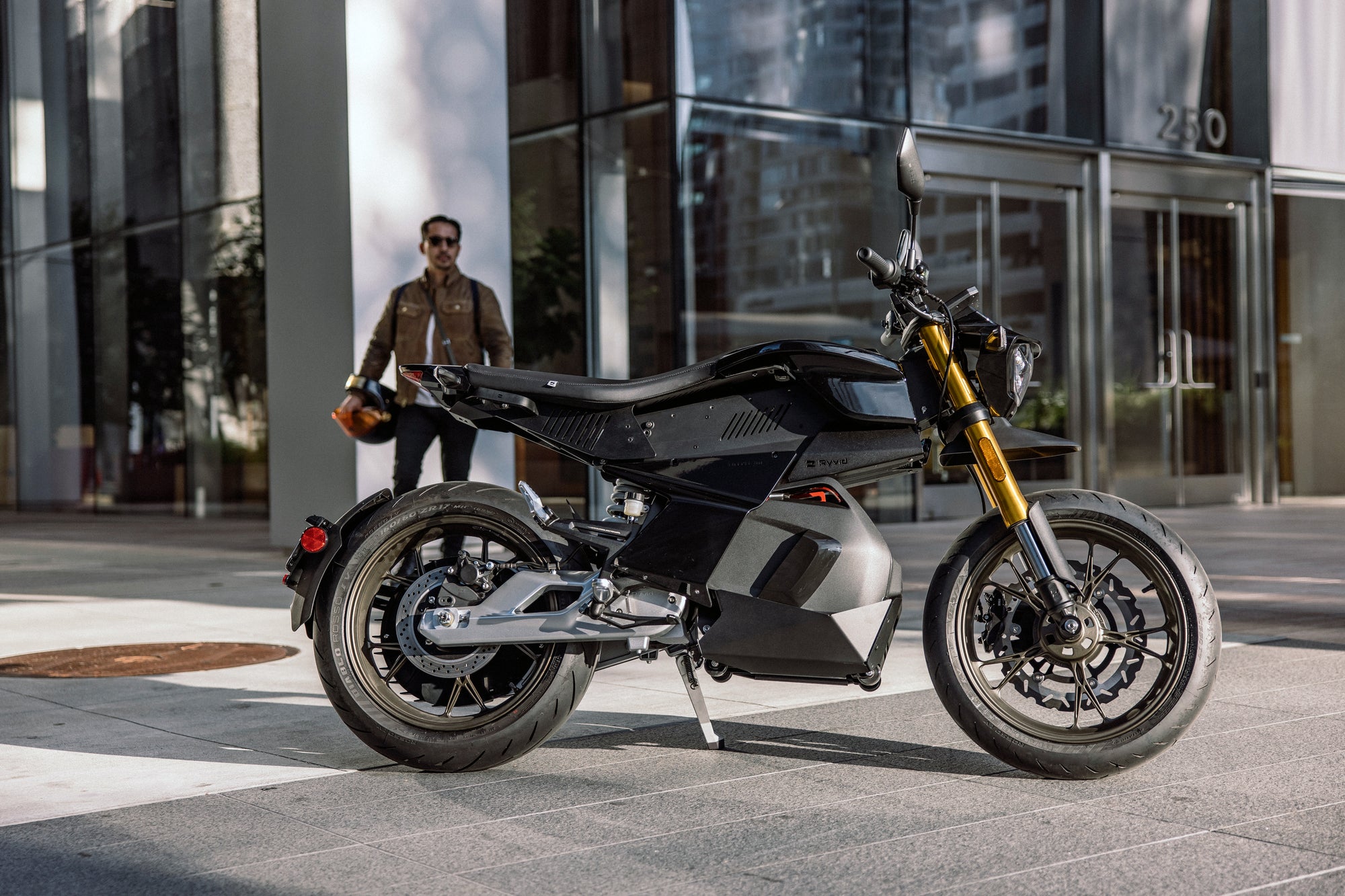
Traditional motorcycles rely on heavy welded tubular steel frames that increase unsprung mass and compromise efficiency. Next-generation urban electric motorcycles utilize aerospace-inspired folded aluminum alloy frames or monocoque structural architecture.
This design methodology reduces overall chassis mass by up to 35% compared to conventional frames while boosting torsional rigidity. For urban riders, this translates into exceptional cornering agility, instantaneous handling response, and effortless low-speed maneuvering in dense city environments.
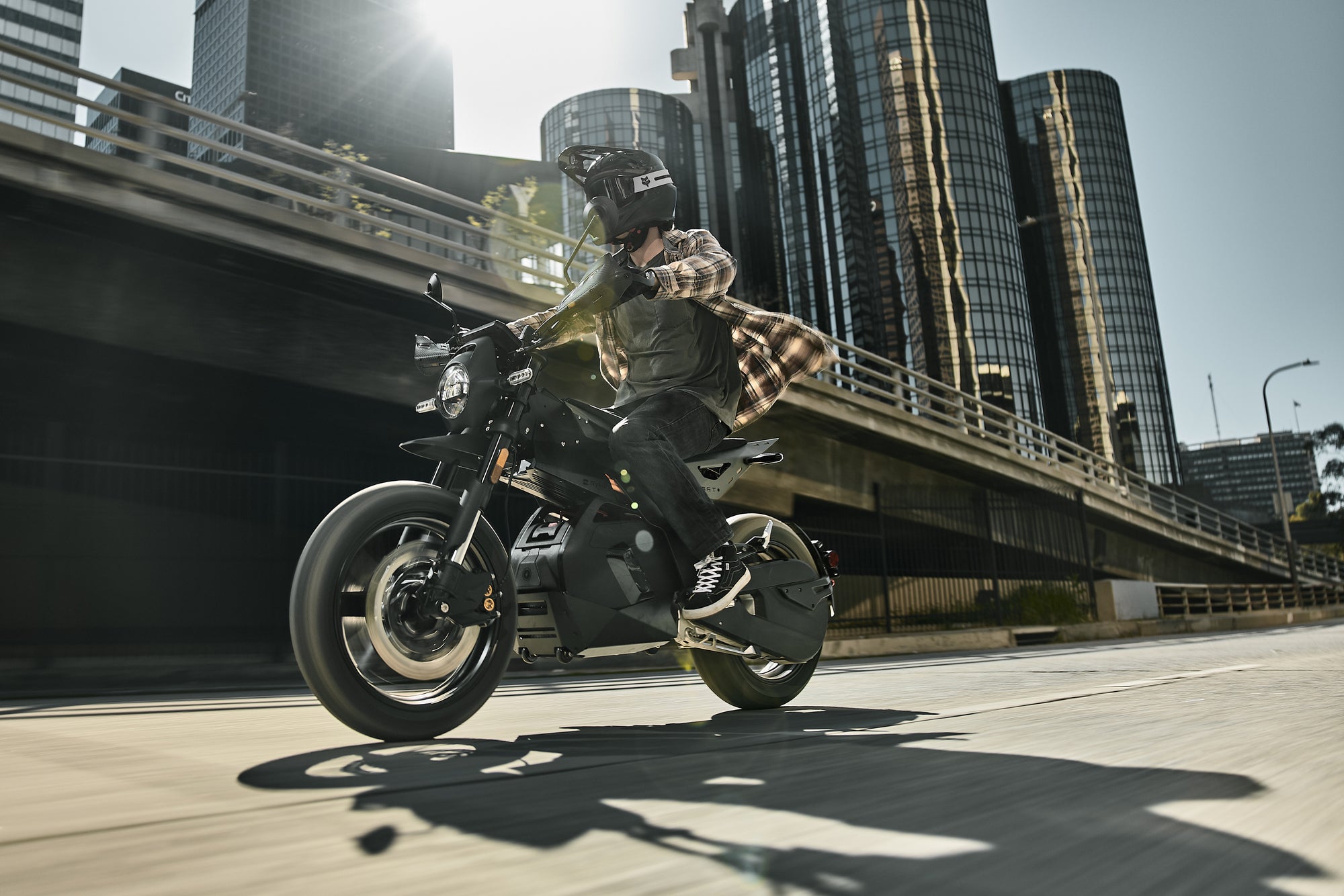
One of the primary friction points in global motorcycle retail is rider height compatibility. Premier OEM exporters overcome this barrier through integrated electric seat actuators. Riders can dynamically adjust seat height from 30 inches up to 34 inches via push-button controls or smart mobile applications.
This ergonomic adaptability allows a single motorcycle platform to serve a wide range of demographics—from novice urban commuters needing confident foot placement at traffic lights to tall daily highway riders requiring legroom optimization.
High-end export models leverage Advanced Sine-wave Intelligence (ASI) motor controllers. Operating on FOC algorithms, these controllers deliver smoother throttle mapping, up to 98% inverter efficiency, and whisper-quiet motor operation without torque ripple.
Dual-stage electronic regenerative braking captures kinetic energy during deceleration. Integrated with hydraulic disc systems, regen reduces brake pad wear by up to 60% while recharging the lithium battery module automatically.
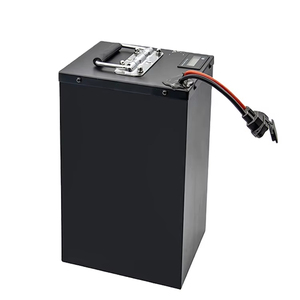
To eliminate range anxiety and charging friction in urban apartments, exporter platforms integrate quick-release battery modules with integrated rolling handles, allowing off-vehicle Level 1 wall-outlet charging anywhere.
Key market forces shaping international supply agreements, fleet decarbonization mandates, and technical compliance over the next decade.
Global importers are shifting away from proprietary, hard-wired vehicle architectures toward modular component networks. Standardized CAN-bus protocols allow distributors to source displays, controllers, battery management systems (BMS), and lighting modules independently without risking firmware incompatibility.
This trend significantly reduces aftermarket spare parts inventory costs for overseas dealers and enables rapid localized customization for specific regional regulations.
Last-mile delivery operators and municipal authorities are replacing combustion scooter fleets with heavy-duty urban electric motorcycles. B2B buyers now prioritize total cost of ownership (TCO) models over upfront vehicle unit costs.
Key procurement requirements include dual battery configurations, reinforced rear cargo rack sub-frames, integrated GPS fleet telematics, and heavy-duty tires (such as Dunlop Mutant or Pirelli Diablo Rosso IV series) capable of enduring continuous 12-hour daily commercial cycles.
Regulatory authorities in North America and Western Europe have implemented stringent safety standards regarding lithium battery thermal runaway protection. Exporters capable of supplying UN38.3, MSDS, CE, DOT, EEC (L3e category homologation), and UL2271 certified battery modules are taking control of premium export corridors.
Importers must verify that Chinese manufacturing partners utilize grade-A prismatic or 21700 cylindrical cells equipped with flame-retardant potting epoxy and automatic overcharge/short-circuit protection cutoffs.
The modern urban motorcycle is an IoT end-point. Future-proof procurement mandates the inclusion of IoT telematics boxes (T-Box) capable of 4G/5G connectivity, remote diagnostic scanning, geofencing, and cloud-based OTA firmware updates.
This technology allows overseas fleet managers and dealers to push torque curve enhancements, battery efficiency updates, and security patches to thousands of deployed units simultaneously without requiring physical service visits.
As a premier OEM & ODM exporter of high-performance urban electric motorcycles, we combine advanced aerospace engineering principles with state-of-the-art automated manufacturing facilities in Southern China.
Our manufacturing complex spans over 85,000 square meters, featuring automated robotic chassis welding lines, ISO 9001 certified clean-room battery pack assembly suites, and full-vehicle dyno testing chambers designed to simulate harsh global weather environments.
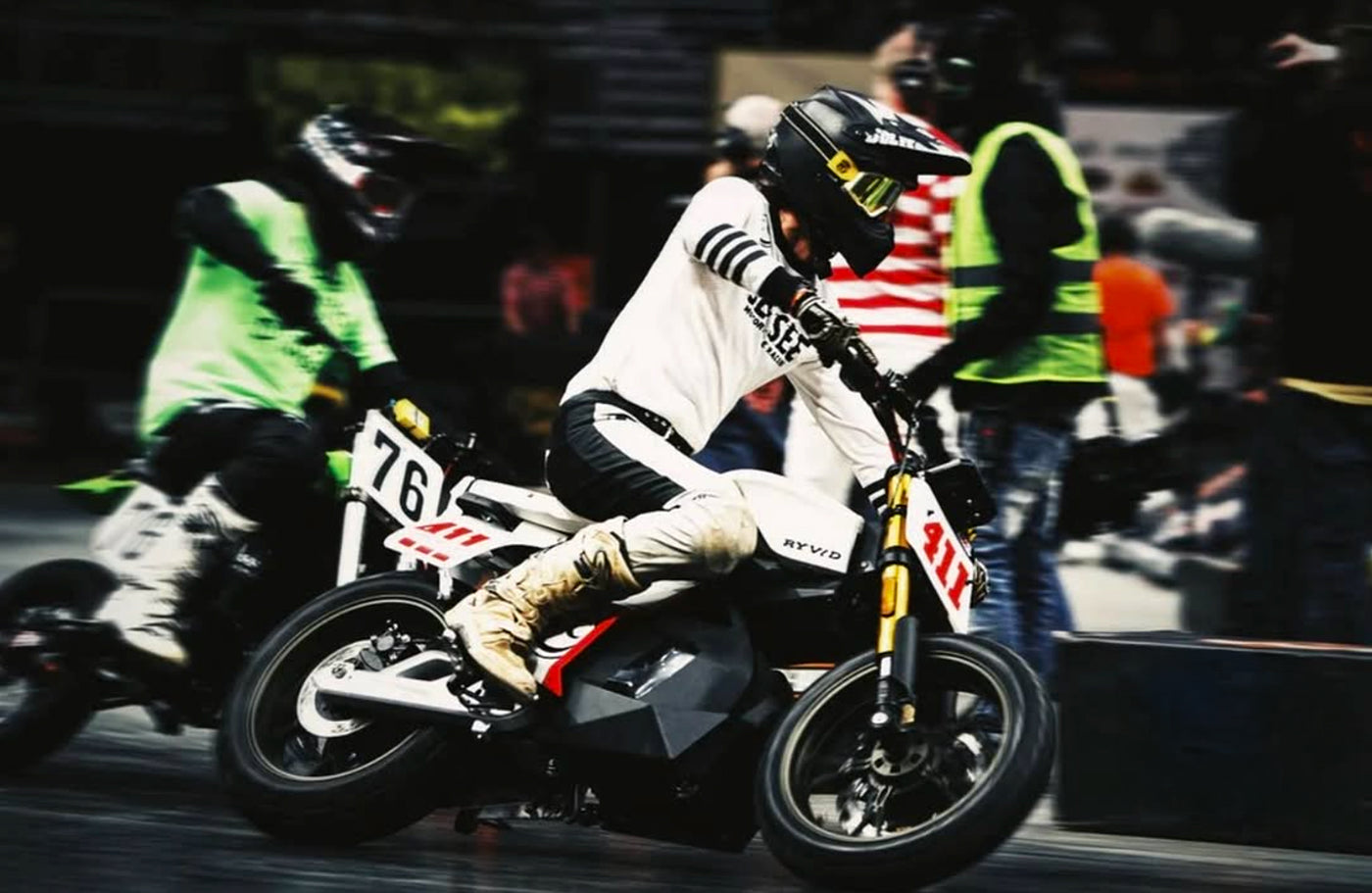
From private daily commutes in European metropolitan centers to heavy-duty courier logistics in South America, our export vehicles deliver unmatched real-world reliability.
Essential answers for international distributors, OEM brand owners, and commercial fleet managers procuring electric motorcycles from China.