
Popular destinations
Popular destinations
Direct factory supply of certified lithium modules, IoT instruments, hub motors, and braking systems customized for global EV fleets and OEMs.
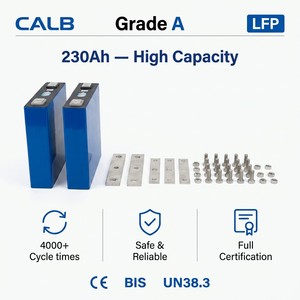
Aerospace-grade prismatic LFP cells engineered for commercial EV fleets. Delivers 4000+ deep charge cycles with minimal capacity thermal degradation.
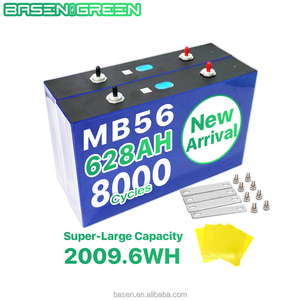
High-capacity volumetric density prismatic cells stored in European bonded warehouses for zero-tariff, fast-turnaround assembly fulfillment.
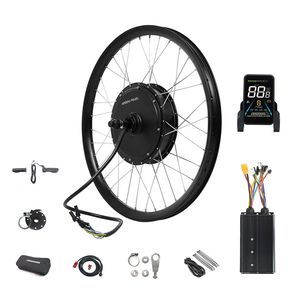
Complete heavy-duty conversion system equipped with high-torque brushless hub motor, programmable vector sine-wave controller, and dynamic LCD screen.
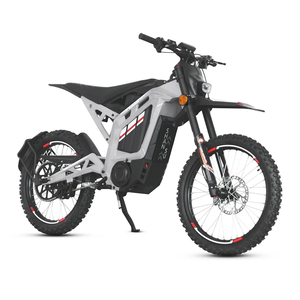
Off-road motorcycle platform engineered with 6061-T6 extruded aluminum chassis, 21700 cell pack, and long-travel adjustable hydraulic suspension.
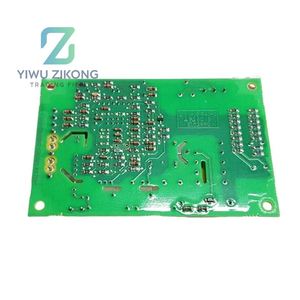
Precision energy management chopper board designed for high-voltage regenerative braking dynamic voltage clamping and heat dissipation safety.
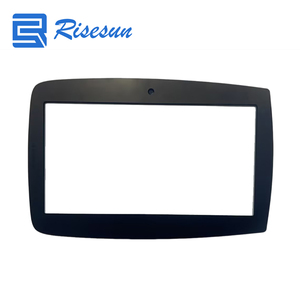
Automotive-grade IPS touch display with real-time CAN bus telemetry, 4G/GPS fleet tracking capabilities, and anti-glare scratch-resistant glass.
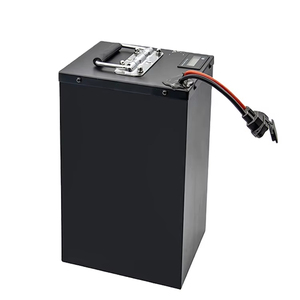
Customizable IP67 weatherproof lithium-ion energy module with integrated smart BMS, active cell balancing, and heavy-duty current output connector.
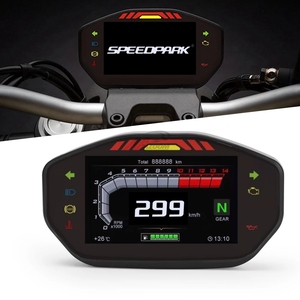
Multi-cylinder compatible TFT instrument cluster featuring programmable RPM calibration, 6-gear indicator, ambient light backlight, and IP65 protection.
The global powersports and urban micro-mobility markets are experiencing a profound structural shift. Driven by aggressive zero-emission mandates in Europe and North America, along with an escalating demand for low-maintenance personal transport, the motorcycle supply chain is rapidly pivoting toward modular electrification and smart telematics. Procurement directors, vehicle engineers, and Tier-1 integrators require high-performance, cost-optimized, and certified manufacturing partners capable of delivering both traditional precision-machined ICE components and high-voltage EV powertrains.
As China's premier OEM motorcycle parts manufacturer and strategic factory cluster, our manufacturing network bridges the gap between California aerospace-inspired design methodologies and scalable, high-precision Asian manufacturing. By maintaining strict control over raw material sourcing, automated SMT board assembly, automated battery laser welding, and automated end-of-line (EOL) dyno testing, we enable global brands to reduce time-to-market by up to 40% while fulfilling strict ISO/IATF 16949 quality compliance standards.
Modern motorcycle manufacturing demands a multi-disciplinary engineering approach. Our facilities specialize in combining structural lightweighting with high-density electronics integration. Whether building low-noise urban commuter platforms like the Ryvid Anthem or rugged mixed-surface adventure bikes like the OUTSET, our manufacturing capabilities cover five key technology vectors:
Utilizing robotically welded 6061-T6 aluminum extrusions and high-tensile steel frames. Lightweighting strategies preserve structural rigidity under high-cornering loads while optimizing gross vehicle weight (GVW) for maximized battery range.
Custom CTP (Cell-to-Pack) integration using Grade A CALB prismatic LiFePO4 cells and 21700 cylindrical cells. Packs feature aluminum cold-plate liquid cooling, active BMS safety shutdown circuits, and UN38.3 thermal containment certification.
High-brightness, automotive-grade TFT and LCD displays integrated with CAN 2.0B protocol support. Features include over-the-air (OTA) firmware updating capability, Bluetooth connectivity, and 4G GPS fleet monitoring modules.
Brushless DC (BLDC) permanent magnet synchronous motors (PMSM) paired with high-efficiency ASI vector sine-wave controllers. Low-maintenance belt or hub-drive configurations eliminate oil changes, clutches, and mechanical wear components.
Integrated dynamic brake choppers (such as the NBRC-51C series) manage voltage spikes during heavy kinetic energy recovery, protecting controller MOSFETs while extending total city brake-pad life cycle by over 30%.
Custom push-button electric seat height actuators, adjustable rear mono-shock linkage systems, and ergonomic touchpoints engineered for first-time riders and urban fleet operator comfort customization.
Procurement teams seeking long-term competitive advantages must align with macro supply chain transformations. According to our internal engineering benchmark studies and global trade data, four core sourcing trends are defining the future of OEM motorcycle manufacturing:
While lightweight e-bikes historically relied on 36V or 48V architecture, modern urban commuters demand higher top speeds (65–85+ mph) and faster acceleration. OEM factories are optimizing thermal efficiency by moving to 72V and 96V nominal operating voltages. Higher operating voltages reduce current drawer losses ($I^2R$), enabling thinner gauge copper wiring harnesses, reduced vehicle mass, and reduced thermal heat buildup during sustained highway speeds.
Commercial fleet operators (postal, delivery, urban ride-sharing) prioritize total cost of ownership (TCO) over raw energy density. Lithium Iron Phosphate (LiFePO4) prismatic chemistry, such as the CALB L173F230 cell architecture, delivers over 4,000 cycles at 80% DoD (Depth of Discharge) compared to 800–1,200 cycles typical of NCM pouch cells. Furthermore, LiFePO4 inherent thermal stability eliminates catastrophic thermal runaway risks during fast-charging cycles.
To cater to developing markets transitioning from small-displacement petrol motorcycles (50cc–125cc) to electric alternatives, OEM factories are offering modular rear-hub conversion packages. Combining 3000W to 5000W BLDC hub motors with integrated vector controllers and pre-wired LCD displays allows global distributors to re-power existing ICE motorcycle rolling chassis with minimal tooling capital outlay.
Geopolitical tariffs and ocean freight volatility have reshaped logistics. Leading Chinese OEM manufacturers now maintain strategic overseas inventory buffer hubs—such as our Poland-based cell inventory—allowing European and North American buyers to source duty-paid, UN38.3 certified lithium battery packs within 3-5 business days.
Understanding technical tolerances between commercial aftermarket replacement parts and high-grade OEM factory production is crucial for vehicle longevity and warranty compliance. The matrix below outlines our baseline production standards:
| Engineering Parameter | Standard Aftermarket Quality | Our OEM Factory Benchmark (Tier-1) | Direct End-User Benefit |
|---|---|---|---|
| Frame Chassis Material | Commercial Steel Tube (Q235) | Robotic Welded 6061-T6 Aluminum / Chromoly | 35% Weight Reduction, Zero Structural Corrosion |
| Battery Chemistry | Second-Life / Repackaged NMC Cells | Grade-A CALB / EVE Prismatic LiFePO4 (New) | 4000+ Cycles, 10-Year Operational Lifespan |
| IP Protection Rating | IP54 Dust/Splash Proof | IP67 Sealed Enclosures (Full Submersion) | All-Weather Operational Reliability |
| Data Communication Protocol | Analog Pre-Wired Harness | Isolated CAN 2.0B / J1939 Telematics Protocol | Seamless Smart Dashboard & ECU Diagnostics |
| Motor Control Algorithm | Basic Square-Wave Controller | ASI Programmable FOC Vector Sine-Wave | Silent Motor Operation, 92%+ Peak Efficiency |
| Braking Energy Recovery | None / Basic Resistive Dump | Active Dynamic Brake Chopper System | 15%+ Battery Range Extension via Regen |
Delivering reliable components to demanding international markets like the United States, Germany, the UK, and Japan requires uncompromising quality control processes. Our OEM manufacturing pipeline incorporates four rigorous testing checkpoints:
Comprehensive technical and commercial answers tailored for OEM procurement managers, vehicle engineers, and global distributors.
Connect directly with our engineering sales specialists to request product samples, CAD drawings, technical datasheets, or custom volume price quotations.