
Popular destinations
Popular destinations
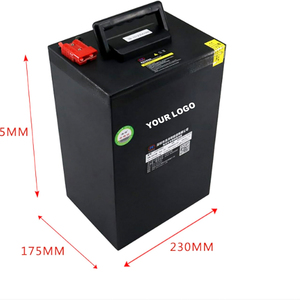
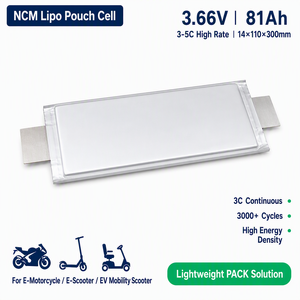
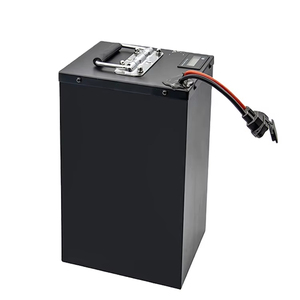
Precision-engineered traction battery packs, prismatic cells, and high-discharge pouch cells designed for urban commuter scooters, dirt bikes, and electric motorcycles.
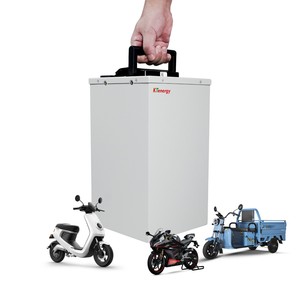
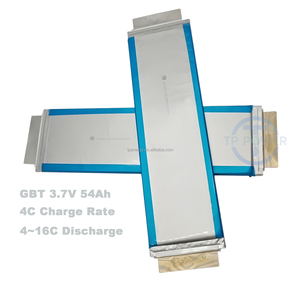
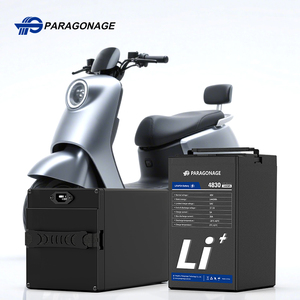
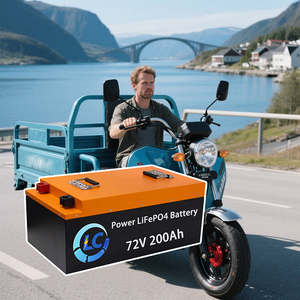
Setting rigorous manufacturing, volumetric energy density, and thermal control benchmarks for light electric vehicle (LEV) platforms worldwide.
The global light electric vehicle (LEV) market is undergoing an unprecedented structural transition. As urban congestion mandates compact mobility, electric motorcycles, high-speed e-scooters, and electric dirt bikes are rapidly replacing internal combustion engines (ICE). At the center of this revolution is the battery pack architecture—accounting for 35% to 45% of the total vehicle bill of materials (BOM).
For international buyers, OEMs, fleet managers, and importers searching for a China best e-motorcycle battery pack exporter, understanding the macroeconomic shift in battery chemistry, regulatory compliance, and structural packaging is paramount to maintaining a competitive edge.
Historically, legacy e-scooters relied heavily on lead-acid gel batteries or rudimentary arrays of 18650 cylindrical cells. Today, procurement strategies have pivoted decisively toward high-capacity soft-pouch NMC (Nickel Manganese Cobalt) and solid-form Prismatic LiFePO4 (Lithium Iron Phosphate) cells. Large-format pouch cells reduce internal resistance, minimize thermal concentration, and eliminate hundreds of manual weld points—drastically increasing manufacturing reliability and reducing pack-level failure rates by over 60%.
Urban delivery fleets, shared mobility networks, and commercial motorcycle operators are shifting away from stationary charging toward swappable battery infrastructure (BaaS - Battery as a Service). This trend demands highly durable exterior enclosures, standardized connector pinouts (such as GBT high-current connectors), and heavy-duty internal anti-vibration framing capable of enduring 10,000+ mechanical insertion cycles.
Exporting to North America and the European Union now requires compliance far beyond simple CE marking. Importers must secure UN38.3 transport safety certification, MSDS verification, IEC 62619 industrial certification, and prepare for upcoming mandatory carbon footprint declarations (EU Regulation 2023/1542). China's leading exporters have integrated full-lifecycle supply chain traceability, tracking cell origin, raw lithium extraction standards, and automated BMS telemetry.
| Battery Parameter | NMC Soft Pouch Packs | LiFePO4 (LFP) Prismatic Packs | Legacy Lead-Acid |
|---|---|---|---|
| Gravimetric Energy Density | 230 - 270 Wh/kg | 160 - 190 Wh/kg | 35 - 50 Wh/kg |
| Cycle Life (80% Depth of Discharge) | 1,500 - 2,200 Cycles | 3,500 - 6,000 Cycles | 300 - 500 Cycles |
| C-Rate Capability (Continuous/Peak) | 3C Continuous / 5C-16C Pulse | 1C Continuous / 3C Pulse | 0.5C Continuous |
| Thermal Runaway Threshold | ~210°C | ~270°C | N/A (Sulphation Risk) |
| Primary Target Application | High-Speed Off-Road Dirt Bikes, Racing Motos | Long-Life Commuter Scooters, Fleet Delivery | Obsolete Legacy Vehicles |
How aerospace-inspired chassis integration, active balance BMS telemetry, and thermal phase barriers define top-tier Chinese exports.
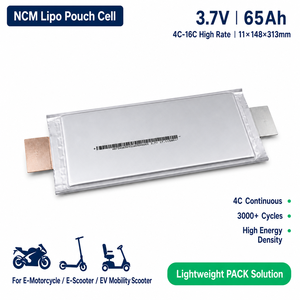
Electric motorcycles demand instant, linear torque for fast launches and steep inclines. High-rate NMC pouch cells (up to 16C discharge) utilize ultra-low impedance internal copper/aluminum current collectors to prevent voltage sag under 5000W–10000W load bursts.
An intelligent Battery Management System is the brain of the pack. Advanced algorithms monitor individual cell voltages, state-of-charge (SOC), state-of-health (SOH), and balance current in real-time while communicating natively with VCU (Vehicle Control Unit) controllers such as ASI, Sabvoton, or FarDriver.
Riding in unpredictable weather or rugged terrain requires complete moisture and dust isolation. Extruded aluminum alloy structures, liquid silicone sealants, and pressure-equalization Gore-Tex vents ensure zero ingress while dissipating internal heat efficient during rapid charging.
To eliminate catastrophic thermal runaway risks, top-tier Chinese exports incorporate aerogel insulation sheets and flame-retardant phase-change materials (PCM) between adjacent cells. This isolates single-cell thermal failures, preventing cell-to-cell propagation.
Electric dirt motorcycles and off-road bikes endure severe G-force shocks. Battery packs feature custom injection-molded cell brackets, silicone cushioning pads, and structural epoxy potting to ensure structural integrity across thousands of operating hours.
By pairing precision cell-matching (delta voltage < 5mV, internal resistance delta < 0.5mΩ) with high-efficiency regenerative braking recovery algorithms, these battery packs lower maintenance overhead and optimize long-term operational costs for fleet deployment.
Aerospace-inspired engineering, flexible custom tooling, and complete end-to-end quality validation protocols.
Whether your platform calls for a sleek, removable 48V 30Ah pack for urban commuters or a massive 72V 200Ah structural battery box for high-speed 10,000W electric motorcycles, export engineering teams provide complete turnkey engineering: CAD enclosure design, custom BMS firmware tuning, sheet metal bending, and CNC prototype execution within 15 working days.
Before export packaging, every battery pack undergoes an exhaustive testing pipeline: Automated Optical Inspection (AOI) of spot welds, cell grading and capacity matching, high-voltage insulation testing, thermal chamber cycling (-20°C to +60°C), vibration table testing, water immersion testing (IP67), and full charge-discharge load testing under continuous rated power.
Navigating international shipping regulations for Class 9 Dangerous Goods requires experienced compliance teams. Leading exporters provide full dangerous goods packaging, UN38.3 summary test reports, MSDS documentation, sea/air freight certification, and direct DDP/FOB/CIF shipping channels to North America, Europe, Southeast Asia, and South America.
Addressing critical engineering, logistical, and commercial inquiries for wholesale buyers and electric motorcycle manufacturers.
China possesses the world's most vertically integrated lithium battery supply chain—spanning raw material processing (lithium, cobalt, nickel, LFP cathode precursors), cell manufacturing giants (CATL, BYD, EVE, GBT), custom BMS semiconductor production, and automated pack assembly. This ecosystem enables unparalleled cost efficiency, rapid engineering iteration, superior quality control, and scalable production output for international buyers.
Choose NMC (Nickel Manganese Cobalt) soft-pouch or prismatic cells if your primary performance goal is maximum gravimetric energy density (lightweight), long riding range per charge, and compact pack dimensioning (ideal for agile urban commuting, dirt bikes, and high-speed motorbikes). Choose LiFePO4 (LFP) if your target market prioritizes absolute thermal safety, extreme cycle longevity (3,000+ to 6,000+ cycles), lower long-term TCO, and heavy daily usage (such as commercial delivery fleets and shared rental platforms).
For compliant customs clearance and legal distribution, battery packs must possess UN38.3 certification (Transportation Testing for Lithium Batteries), UN dangerous goods packaging approval, and Safety Data Sheets (MSDS). For the European market, CE, RoHS, and compliance with IEC 62619 (for industrial/traction batteries) are required, alongside carbon footprint tracking readiness under EU 2023/1542. For North America, UL 2271 (batteries for light electric vehicles) is highly recommended for consumer market access.
Yes. Export-grade battery packs can be engineered with fully custom BMS communication protocols. Whether your vehicle architecture operates on standard CANBus (CANopen, J1939), RS485, UART, or Bluetooth low energy (BLE), engineers program BMS firmware to match your controller parameters (e.g., ASI, Sabvoton, Kelly, FarDriver, Curtis), transmitting real-time cell temperatures, voltage metrics, current draw, state-of-charge percentage, and error codes directly to your vehicle's digital dashboard.
As Class 9 Dangerous Goods, battery packs are packed inside specialized UN-certified explosion-proof cartons or reinforced wooden crates lined with non-conductive, shock-absorbing EPE foam. Exporters coordinate with certified freight forwarders to handle hazardous material documentation, vessel space allocation, container isolation compliance, and port handling under FOB, CIF, or DDP terms.
To receive an accurate engineering design and quote, specify: (1) System nominal voltage (e.g., 48V, 60V, 72V) and desired capacity (Ah), (2) Continuous and peak discharge currents (A) or motor power rating (kW), (3) Maximum spatial envelope dimensions (L x W x H in mm), (4) Preferred cell chemistry (NMC or LFP), (5) BMS communication protocol requirements, and (6) Target order volume and destination country.
Partner with China's premier e-motorcycle battery pack exporter. Request custom engineering support, volume pricing schedules, and full technical datasheets today.