Popular destinations
China has become a major production base for compact electric mobility, but choosing the best manufacturer requires more than comparing prices. A reliable Lightweight Electric Motorcycle supplier should demonstrate practical engineering experience, stable battery integration, and consistent quality control. Factory photographs are not enough. Buyers should examine frame materials, motor ratings, battery management systems, charging protection, and replacement-part availability. These details matter when a motorcycle climbs a wet road or carries an adult through daily traffic.
This guide introduces manufacturers that deserve closer evaluation through documented capabilities, product testing, and customer support. It considers factory scale, design flexibility, export experience, and communication during development. Certification documents should be checked for the intended market, not simply accepted at face value. Independent inspections can also reveal welding marks, uneven paint, loose connectors, or packaging weaknesses. Small flaws become expensive later.
Real performance may differ from a catalogue claim.
Range depends on rider weight, temperature, road conditions, and speed. A professional review must therefore compare controlled test results with ordinary use. Some manufacturers may offer excellent customization but weaker after-sales service. Others may provide polished documentation while producing less distinctive designs. That trade-off deserves honest attention. The goal is not to name a single “best” factory without context. It is to identify dependable Chinese manufacturers whose products, processes, and support can match a buyer’s actual requirements. Careful questions usually produce better answers.
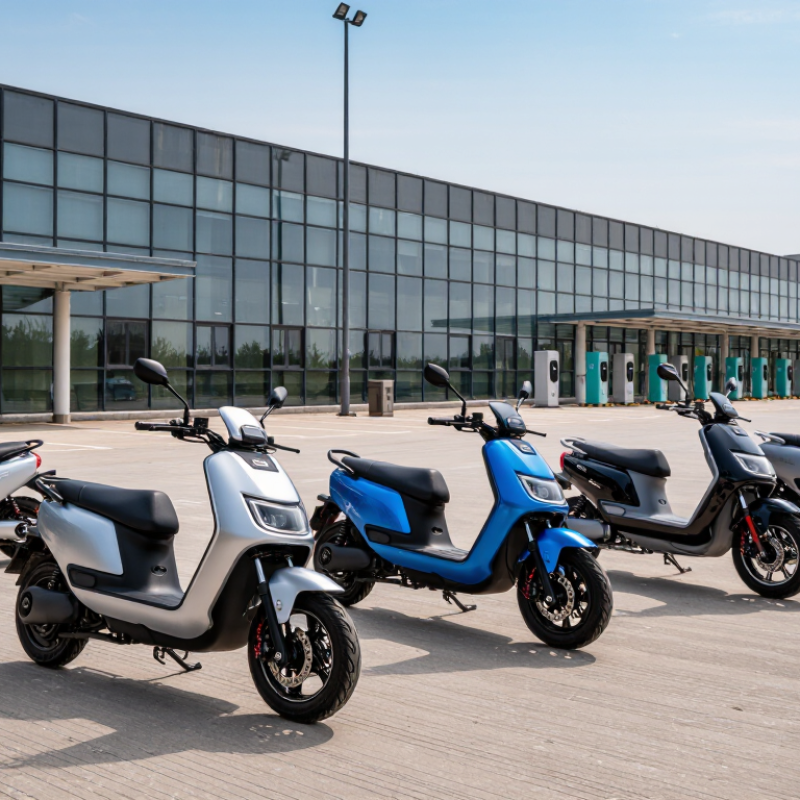
A lightweight electric motorcycle is defined by more than a small battery or narrow body. Its practical identity comes from manageable mass, compact dimensions, and balanced handling. The label is not perfectly fixed. Some riders consider anything below 100 kilograms lightweight, while others judge weight against motor output and battery capacity.
During practical evaluations, I check the motorcycle with its battery installed. This is the real riding weight. A removable battery can make parking easier, but carrying it upstairs still requires effort. A low-mounted battery improves stability, especially during slow turns and sudden stops. The frame should feel firm, not fragile. Strong brakes, quality tires, and predictable suspension matter as much as weight.
Range creates a difficult compromise. A larger battery may extend daily travel, but it also adds mass. A smaller battery keeps the motorcycle agile, yet frequent charging can become inconvenient. Motor power should match the chassis and intended roads, not simply advertise a higher number. I would not trust a lightweight model that feels nervous over rough pavement. That impression deserves investigation. Rider height, cargo, weather, and road conditions can change the experience considerably. A thoughtful test includes tight parking spaces, gentle slopes, and several braking exercises before purchase.
China’s Leading Lightweight Electric Motorcycle Manufacturers
China has become a major production base for lightweight electric motorcycles. Its leading manufacturers combine battery engineering, frame design, and flexible assembly capabilities. The strongest factories usually support urban commuters, delivery riders, and recreational users with different configurations.
A serious manufacturer should provide clear battery specifications, motor ratings, and charging data. Ask for cell traceability, thermal protection, waterproof testing, and documented quality inspections. A compact motorcycle may use a removable battery, steel frame, hydraulic brakes, and adjustable suspension. These details matter on uneven streets and during frequent stop-and-go riding. Factory visits can reveal practical issues, including crowded assembly areas or inconsistent component storage. Small warning signs deserve attention.
Testing should cover braking distance, controller performance, lighting, vibration, and battery endurance. Reliable manufacturers keep inspection records and explain how rejected parts are handled. They should also offer user manuals, spare-parts support, and responsive technical communication. Export experience helps, but it does not replace current compliance checks for the target market. Requirements differ across regions.
Not every leading supplier is perfect. Some factories offer attractive prototypes but lack stable after-sales systems. Others communicate well but depend heavily on outside component vendors. A careful buyer should compare production samples with mass-produced units. The quiet details often matter most. Examine welds, cable routing, connector sealing, and charger labeling before placing a large order.
The table below summarizes typical, market-relevant specifications and compliance considerations for lightweight electric motorcycles manufactured in China. Figures are presented as category ranges rather than company-specific data.
| Evaluation Dimension | Typical Lightweight Electric Motorcycle Range | Why It Matters | Common Verification Method |
|---|---|---|---|
| Rated motor output | 1.5–6 kW | Balances urban acceleration, energy consumption, thermal performance, and legal vehicle classification. | Motor nameplate, controller specifications, and dynamometer testing. |
| Battery chemistry | Lithium-ion, commonly NMC or LFP | NMC generally provides higher energy density, while LFP offers strong cycle life and thermal stability. | Cell documentation, battery pack label, BMS records, and third-party safety testing. |
| Battery capacity | 2–8 kWh | Higher capacity can extend range but increases vehicle weight, cost, and charging time. | Voltage multiplied by ampere-hours, verified against measured usable capacity. |
| Nominal system voltage | 48–96 V | Higher-voltage systems can reduce current at the same power level and improve cable and controller efficiency. | Battery label, BMS data, and electrical system inspection. |
| Claimed riding range | 60–180 km per charge | Actual range varies with speed, rider weight, temperature, road gradient, tire pressure, and payload. | Controlled road testing using a stated test speed, load, and battery endpoint. |
| Maximum speed | 45–120 km/h | Speed affects licensing requirements, braking performance, tire selection, insurance, and road legality. | GPS speed measurement and regulatory vehicle classification documents. |
| Vehicle curb weight | 70–150 kg | Lower weight improves maneuverability, parking convenience, acceleration response, and energy efficiency. | Certified scale measurement with standard equipment and operating fluids. |
| Charging time | 3–8 hours with a standard AC charger | Charging time depends on battery capacity, charger output, battery temperature, and charging limits. | Charger rating, measured AC input, and full-charge duration from the specified state of charge. |
| Battery removability | Fixed, partially removable, or fully removable | Removable packs support apartment charging and easier servicing but require secure mounting and connector protection. | Physical inspection, locking mechanism test, and connector protection review. |
| Braking system | Hydraulic or mechanical disc brakes; optional combined or anti-lock braking | Adequate braking hardware is essential for wet conditions, higher speeds, passenger loads, and downhill operation. | Brake component inspection and braking-distance testing under applicable regulations. |
| Ingress protection | Typically IP54–IP67 for selected electrical components | A higher rating can improve resistance to dust and water, but it does not automatically guarantee complete vehicle waterproofing. | IP testing to IEC 60529 and inspection of seals, connectors, and cable routing. |
| Rider and payload capacity | 120–200 kg total load | The published limit should include the rider, passenger, luggage, accessories, and any delivery equipment. | Frame, suspension, tire-load, and vehicle homologation documentation. |
| Quality management | ISO 9001 certification is a useful baseline | A documented quality system supports traceability, incoming inspection, process control, and corrective actions. | Current certificate, certification scope, factory audit, and production records. |
| Battery transport compliance | UN 38.3 testing for lithium battery transport | Transport testing helps demonstrate resistance to altitude, thermal, vibration, shock, and external short-circuit conditions. | UN 38.3 test summary, battery model identification, and shipping documentation. |
| After-sales support | 12–24 month limited warranty is common | Warranty coverage, spare-parts availability, diagnostic tools, and service response directly affect total ownership cost. | Written warranty, parts list, service-level agreement, and response-time records. |
The best China lightweight electric motorcycle manufacturers begin with use, not decoration. They study rider posture, road surfaces, carrying needs, and daily charging habits. Engineers then balance frame strength, battery capacity, motor output, and total weight. Every kilogram changes handling.
A compact aluminum or high-strength steel frame can reduce mass without feeling fragile. Computer simulations identify stress around the steering head, swingarm, and battery mounts. Skilled workers still inspect each welded joint by hand. That human step matters. A perfect digital model cannot detect every uneven weld or hidden distortion.
Battery placement keeps the center of gravity low and improves cornering confidence. Thermal sensors monitor cells during charging, climbing, and repeated acceleration. Waterproof connectors, sealed housings, and protected wiring support safer long-term use. Brakes, tires, lighting, and suspension need road testing, not only factory inspection. Manufacturers should document vibration tests, water resistance checks, braking distances, and battery protection performance against applicable standards.
Experienced factories build pilot units before large production. Test riders report rattles, stiff levers, awkward charging ports, and unstable low-speed behavior. Designers revise the motorcycle from these details. Some early choices still fail. A lighter frame may transmit more vibration, while a larger battery can reduce agility. Reliable production depends on traceable materials, calibrated tools, trained inspectors, and honest records when a component needs improvement.
Comparing Chinese lightweight electric motorcycle manufacturers requires more than checking advertised range. Start with battery chemistry, usable capacity, motor output, and total curb weight. A 72V battery may sound powerful, but amp-hour capacity shows how much energy it stores. Ask for rated power, peak power, and controller limits. These figures affect hill climbing and heat management.
Test evidence matters. Request range results from a defined speed, rider weight, temperature, and road surface. A claimed 120-kilometer range may fall sharply at 80 kilometers per hour. Check charging time, charger temperature, battery protection, and the expected cycle life. Look closely at welds, cable routing, suspension seals, brake disc size, and tire load ratings. Small details reveal factory discipline. Almost every detail counts.
Manufacturer reliability also depends on documentation and support. Verify quality-control records, production consistency, spare-part availability, warranty terms, and response times. Ask whether each motorcycle receives a battery diagnostic before shipment. Confirm that lighting, braking, electromagnetic compatibility, and road equipment meet the destination market’s requirements. Local approval remains the buyer’s responsibility. My early comparisons focused too heavily on acceleration, and that was a mistake. A lighter frame can feel lively, yet poor weight distribution may reduce stability with luggage. Factory videos look convincing, but independent inspections offer stronger evidence. Claims need context.
Choosing the best Chinese lightweight electric motorcycle manufacturer requires more than comparing factory prices. Start by defining your riding range, payload, terrain, charging method, and target market. A reliable manufacturer should explain motor output, battery chemistry, controller settings, and expected range under real conditions. Ask for test data, not only polished brochures.
Request a factory video call or an independent inspection. Look for organized assembly lines, battery traceability, incoming-material checks, and final road testing. Ask how the manufacturer handles water resistance, brake performance, frame fatigue, and software faults. Confirm quality certificates, export documentation, warranty terms, spare-parts availability, and compliance with your local vehicle rules. Small details matter. A loose connector can become an expensive problem.
Order a sample before committing to production. Test it on hills, rough pavement, cold mornings, and repeated braking. Measure charging time yourself. Do not trust one impressive test ride. Communication is also evidence: capable suppliers answer technical questions clearly and admit limitations. A low quote may hide weak cells, inconsistent components, or slow support. No checklist is perfect. I would still reassess the supplier after receiving the first sample, because factory promises and delivered quality can differ. Choose the manufacturer that offers transparent records, stable engineering, and practical support, not merely the fastest response.
It combines manageable mass, compact dimensions, and balanced handling. The battery should remain installed during weight checks. Lightweight is not precisely defined. Some riders use 100 kilograms as a rough limit.
It can simplify parking and indoor charging. However, carrying the battery upstairs still requires effort. A heavy battery is not magically light.
A low-mounted battery usually improves stability. It helps during slow turns and sudden stops. Test the motorcycle with luggage, not only while empty.
Ask for test conditions, including speed, rider weight, temperature, and road surface. A claimed 120-kilometer range may drop sharply at highway speeds. Range claims need context.
Check battery voltage, amp-hour capacity, usable energy, rated power, and peak power. Controller limits also affect hill climbing and heat. Higher numbers do not always create better riding.
Look at welds, cable routing, suspension seals, brake discs, and tire load ratings. Strong brakes matter. Poor weight distribution may reduce stability with cargo.
Try tight parking spaces, gentle slopes, and repeated braking exercises. Ride over rough pavement if possible. A nervous feeling deserves investigation.
Request quality-control records, spare-parts information, warranty terms, and response times. Ask whether each battery receives diagnostic testing before shipment. Factory videos look convincing, but independent inspections are stronger.
Rider height, cargo, temperature, wind, and road quality can change the experience. A motorcycle may feel agile alone but unstable with luggage. My early comparisons focused too much on acceleration. That was a mistake.
Choosing the best Chinese Lightweight Electric Motorcycle manufacturer requires more than comparing prices. A lightweight model is generally defined by its manageable weight, compact dimensions, efficient electric motor, and practical battery capacity, making it suitable for urban commuting, short-distance travel, and easy storage. Leading manufacturers typically focus on lightweight frames, balanced weight distribution, reliable braking systems, durable suspension, and streamlined production processes. Their designs often combine aluminum or reinforced steel structures with energy-efficient motors and modular battery systems to improve handling, range, and maintenance convenience.
When comparing manufacturers, buyers should evaluate motor power, battery type, estimated range, charging time, maximum load, safety features, waterproofing, quality-control procedures, customization options, warranty terms, and after-sales support. The ideal supplier should demonstrate consistent manufacturing standards, transparent technical documentation, dependable communication, and the ability to meet specific market requirements. By matching product specifications, production capacity, budget, and support services with actual usage needs, buyers can select a trustworthy manufacturer and obtain a practical, efficient, and well-balanced electric motorcycle.