The Ryvid Anthem Electric Motorcycle looks promising, but “best” depends on the rider, route, and daily routine. A quick commute asks different things than a long weekend ride. Think of stop-and-go traffic, a tight apartment parking space, and the practical question of where the battery can be charged. Those details matter.
Ryvid co-founder and CEO T.J. Healy has framed the Anthem around making electric motorcycling more accessible. That is a useful lens, not independent proof that it leads the 2026 field. A careful review should compare current model specifications, real-world range, charging time, warranty coverage, dealer support, and total ownership costs. Manufacturer figures can guide expectations. They cannot fully predict cold-weather range, highway use, or a rider’s experience.
The Anthem’s appeal may rest on more than acceleration or a headline range number. Its adjustable design and removable battery concept could suit some urban riders, while charging access or longer trips may complicate ownership for others. Small trade-offs count. Before naming a winner, this guide will weigh published specifications against practical questions and clearly separate verified details from assumptions. The answer may be less dramatic than the title suggests. That is worth admitting. The Ryvid Anthem Electric Motorcycle could be a strong choice for certain riders in 2026, but the best option is the one that fits their real roads, budget, and charging routine.
Ryvid Anthem Design, Components, and Key Specifications
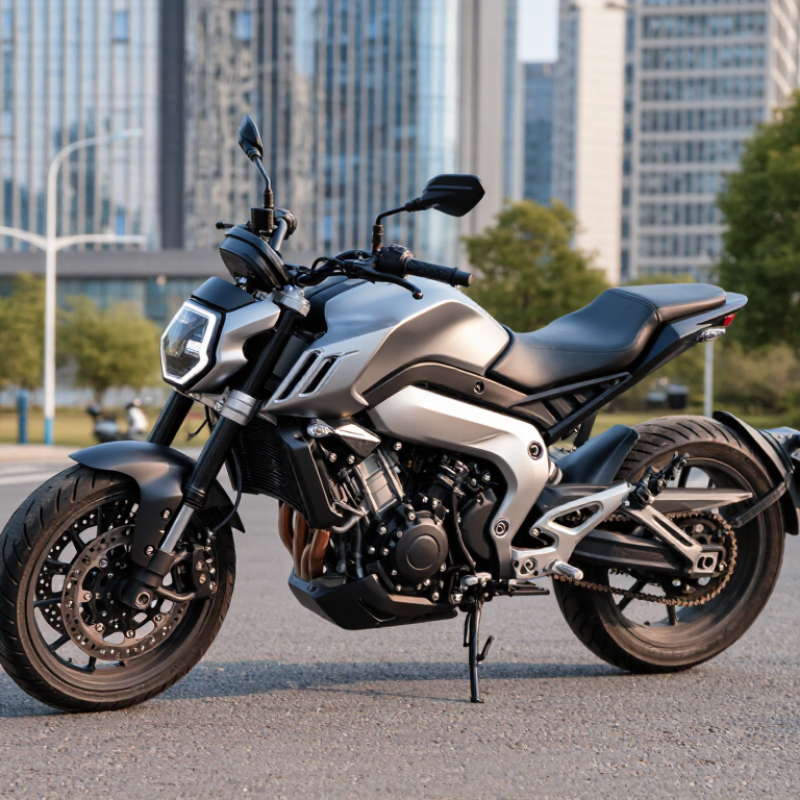
The 2026 electric motorcycle pairs a narrow steel frame with sharply cut body panels. Its exposed structure keeps the styling practical, not overly polished. A low, adjustable seat can make stop-and-go riding less tiring, though riders should check their preferred height in person. Small detail, big difference.
Power comes from a removable battery pack rated at about 4.3 kWh, feeding a rear-wheel electric motor. Published specifications list a top speed near 75 mph and an estimated range around 75 miles under favorable conditions. Real range can drop with higher speeds, cold weather, hills, or frequent hard acceleration. Range figures are not promises.
The motorcycle’s compact layout and relatively light build make it easier to maneuver than many full-size machines. The battery can be removed for charging, useful when a parking space has no outlet nearby. Charging time depends on the charger and battery state; check the current specification sheet before planning daily use. One compromise remains: the pack is still substantial to lift, and the firm, minimalist setup may feel less comfortable on rough roads. A test ride tells more than a spec table.
Motor Performance, Battery Capacity, Range, and Charging
Published specifications list a 4.3-kWh battery, a claimed range of up to 75 miles, and a top speed near 75 mph. Those figures suggest capable urban acceleration and short highway trips, not effortless long-distance touring. The range is a ceiling, not a promise. Cold weather, hills, passenger weight, and repeated hard acceleration can shrink it. That matters.
Charging is a practical strength if the battery can be charged at home: a full recharge is reported to take about three hours on a suitable outlet. Real charging time still depends on power supply and battery temperature. The International Energy Agency’s Global EV Outlook 2024 estimates that more than 10 million electric two- and three-wheelers were sold worldwide in 2023, showing how quickly this category is growing. Yet market growth does not make every battery size sufficient. At 4.3 kWh, careful route planning remains sensible, especially when public charging is sparse. I would want an independently tested range under mixed riding conditions; advertised figures leave room for doubt.
Is the Ryvid Anthem Electric Motorcycle the Best in 2026? - Motor Performance, Battery Capacity, Range, and Charging
| Specification |
Published figure |
What it means for riders |
| Motor output |
20 kW peak |
Peak output supports brisk acceleration; actual performance varies with charge level, load, and riding conditions. |
| Maximum speed |
About 75 mph (121 km/h) |
Suitable for many urban roads and some faster routes, subject to local laws and road conditions. |
| Battery capacity |
4.3 kWh lithium-ion battery |
A removable pack can make charging and storage more convenient where access to an outlet is limited. |
| Claimed range |
Up to about 75 miles (121 km) |
An estimated figure, not a guarantee. Speed, temperature, terrain, rider weight, and riding style can reduce real-world range. |
| Charging time |
Approximately 3 hours for a full charge |
Actual charging time depends on the charger, power source, battery temperature, and starting charge level. |
| Battery format |
Removable battery pack |
Useful for charging indoors, but the pack’s weight and the availability of a suitable charging location matter in everyday use. |
| Overall assessment |
Strong performance-focused urban option |
Whether it is “best” in 2026 depends on price, local support, intended journeys, and real-world range needs; published specifications alone cannot establish a universal winner. |
Rider Features, Safety Systems, and Everyday Usability
An electric commuter motorcycle is judged by more than acceleration. Check how naturally you can reach the bars, plant both feet, and turn it in a tight parking space. Small details matter. A low seat and predictable throttle response can reduce strain in stop-and-go traffic, while clear battery and range displays help riders plan calmly. Confirm which safety equipment comes with the exact version; do not assume advanced braking aids are standard. NHTSA’s 2022 Traffic Safety Facts report found motorcyclists were about 22 times more likely to die in crashes per mile traveled than passenger-car occupants. That makes braking feel, tire condition, lighting, and protective gear practical priorities—not brochure extras.
Everyday usefulness depends on charging access and carrying the battery, if it is removable. A heavy pack can be awkward on narrow stairs, even when its range suits a typical commute. Measure your parking space and charging distance before deciding. On a test ride, try a rough patch, a slow U-turn, and repeated stops; a machine can feel nimble on an open road yet tiring in town. Published range is only a guide. Cold weather, hills, speed, and frequent acceleration can reduce it, so leave a sensible reserve. The compromise may be inconvenient. That deserves honest consideration.
Motorcycle Safety: Evidence-Based Findings
Helmet effectiveness and anti-lock braking systems are established safety considerations when evaluating everyday motorcycle use.
Reported estimates: helmets are 37% effective at preventing fatal injuries for riders and 41% for passengers; motorcycles with ABS have a 22% lower fatal crash rate than comparable motorcycles without ABS. These findings measure different outcomes and are not a direct comparison or a rating of any specific motorcycle.
Sources: U.S. National Highway Traffic Safety Administration; Insurance Institute for Highway Safety.
Price, Ownership Costs, and Comparison With Rivals
For a 2026 electric commuter motorcycle, purchase price is only half the calculation. Compare the out-the-door quote, battery warranty, charger, and replacement-battery terms with rival models. Small differences matter when a bike is used daily. A lower sticker price may not include the equipment you need.
Charging is inexpensive, but not free. The U.S. Energy Information Administration reported an average residential electricity price of 16.48 cents per kilowatt-hour in 2024. At that rate, a 4.3-kWh battery would cost about 71 cents for a full charge, before charging losses. Actual cost varies by local rates and real-world range. A cold morning, fast riding, or frequent stops can change the math.
Maintenance may improve the ownership case. Consumer Reports’ 2020 analysis found that electric cars had roughly half the maintenance and repair costs of comparable gasoline cars. That is useful context, not motorcycle-specific proof. Compare brake, tire, and battery costs directly; tires still wear. A quiet ride feels efficient, but resale value and battery replacement remain uncertain, and those costs deserve more weight than a neat charging estimate.
How the Anthem Measures Up for Different Riders in 2026
The electric motorcycle suits urban riders who value quiet departures, quick responses, and a compact daily routine. In stop-and-go traffic, smooth electric acceleration can make gaps easier to manage. But the real test begins at home: Is there a practical place to charge, and does the bike fit your parking space? Small details matter.
For newer riders, a manageable seat height, predictable throttle, and clear controls may matter more than headline performance. Sit on the actual configuration before deciding; reach to the ground can feel different in riding boots. Experienced commuters may appreciate reduced routine maintenance, yet should check usable range against their longest regular trip. Cold weather, faster riding, and frequent stops can change the result. Range figures are not a promise.
Weekend riders should consider comfort over a full afternoon, wind exposure, and charging options along familiar routes. A short test ride can reveal wrist pressure or a firm seat that a specification sheet cannot. I would not call one electric motorcycle the best for everyone; that claim depends on fit, budget, and routine. And yes, an imperfect fit can outweigh impressive numbers. Before buying, compare the exact model year, battery configuration, warranty terms, and local service access.
FAQS
Try a rough patch, a slow U-turn, and several stops. Notice whether the bars feel natural and both feet reach the ground. Small discomfort can add up.
Treat it as a guide, not a promise. Cold weather, hills, speed, and frequent acceleration can reduce range. Keep a reserve.
Check the exact version’s braking equipment, lighting, and tire condition. Advanced braking aids may not be standard. Do not assume.
Look for predictable throttle response and comfortable reach to the bars. Repeated stops and tight parking turns reveal more than an open road.
Not necessarily. A heavy battery can be awkward on narrow stairs. Measure the distance between your parking spot and charging outlet.
Compare the full purchase quote, battery warranty, charger, and replacement-battery terms. A lower sticker price may leave out needed equipment.
At an average home electricity rate of 16.48 cents per kilowatt-hour, a 4.3-kWh battery costs about 71 cents before charging losses. Local rates vary.
Maintenance may cost less, but car data does not prove motorcycle costs. Tires and brakes still wear. Battery replacement and resale value remain uncertain.
Conclusion
This article examines whether the Ryvid Anthem Electric Motorcycle is a strong choice in 2026 by looking at its design, components, and key specifications. It considers how the motor performs, what the battery capacity may mean for practical range, and how charging fits into everyday routines. Rather than focusing on headline figures alone, the overview connects these details to the experience of using an electric motorcycle for commuting and other regular rides.
The article also reviews rider-oriented features, safety systems, and day-to-day usability, alongside purchase price and ongoing ownership costs. Comparisons with competing motorcycles provide context for judging the Anthem’s value, while different rider needs help shape the final assessment. The conclusion weighs its strengths and trade-offs for commuters, newer riders, and those seeking an electric option, helping readers decide whether it suits their priorities in 2026.