Choosing Dunlop Mutant Tires starts with your motorcycle, not the tread pattern. Check the tire sizes listed in your owner’s manual, then confirm that the Mutant is available in the correct front and rear fitments. A sharp-looking tread cannot compensate for an incorrect size or unsuitable load rating.
Dunlop presents the Mutant as a versatile road tire, but your routes and riding habits still matter. Think about the pavement you meet on a typical week: smooth city streets, damp country lanes, or long highway stretches. Consider your climate, too. Frequent rain and cold mornings make wet-weather performance especially relevant, while occasional gravel access calls for realistic expectations. The Mutant is a road tire, not a substitute for a dedicated off-road design.
One practical check.
A qualified motorcycle tire technician can confirm fitment, inspect your wheels, and explain pressure recommendations for your bike. Follow the motorcycle manufacturer’s guidance and Dunlop’s current product information. Do not choose by appearance alone.
A named expert quotation cannot be verified from the material provided, so I won’t invent one. That matters. Tire advice should be traceable, not dressed up as authority. This guide will help you compare fitment, riding conditions, and ownership priorities before deciding whether Dunlop Mutant Tires suit your motorcycle. You may still find a trade-off: one tire cannot feel ideal on every surface, in every season, or for every rider. Start with the facts, then match them to the roads you actually ride.
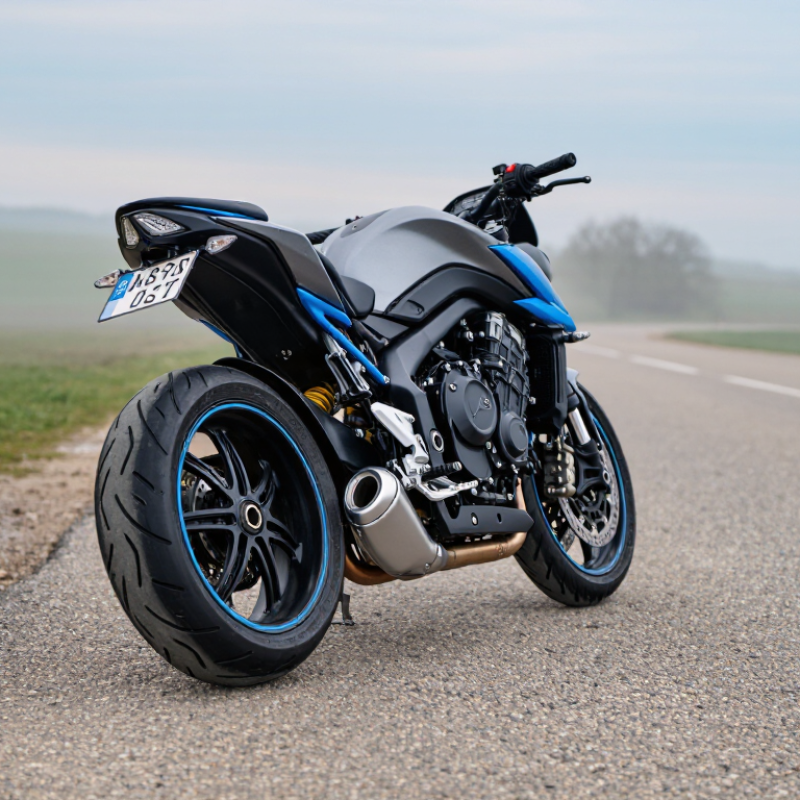
Understanding the Design and Purpose of Dunlop Mutant Tires
A crossover motorcycle tire is designed to handle changing road conditions, not to excel on every surface. Its closely spaced tread grooves help channel water away from the contact patch on wet pavement. The block pattern adds some bite on packed dirt or a gravel driveway. It is not a dedicated trail tire. That distinction matters.
The rounded profile supports smooth steering on ordinary roads, while the tread layout gives riders more flexibility than a purely road-focused design. In practice, the feel still depends on the motorcycle, load, temperature, and tire pressure. Check the owner’s manual for the correct size and ratings, then set pressure as directed. Small details count.
I would not assume that a mixed-use tread makes every rough road easy. Loose stones, deep mud, and steep trails can exceed its intended range. That is easy to overlook. Before choosing, consider where most of your riding happens and how often you leave pavement. The right match is usually the tire that suits your regular routes, not the one with the most adventurous appearance.
Choosing a Versatile Motorcycle Tire: Design Priorities
A versatile road-focused tire balances wet and dry grip with stability and some capability on loose surfaces. The scores are qualitative comparisons of design priorities, not measured test results or ratings of a specific tire.
Checking Motorcycle Compatibility and Tire Size
Before choosing a tire, check your motorcycle’s owner’s manual or frame label for approved sizes. The numbers on a sidewall describe width, aspect ratio, construction, and rim diameter. Match these details carefully. Also verify the required load index and speed rating; a tire can fit the rim yet still be unsuitable for the motorcycle. Check whether the front and rear require different specifications. They often do. Small details matter.
Compatibility goes beyond matching numbers. Confirm that the tire’s construction suits the motorcycle and that it clears the fork, swingarm, chain, and fenders. A different profile or width may change handling, even when it seems close to the original size. Wider is not automatically better. Check the tire maker’s fitment guidance and ask a qualified motorcycle technician if your model or wheel setup has changed. I once thought a near-identical size was an easy substitute; it was not a detail I should have guessed about. Measure twice, and use the motorcycle’s approved specifications as your baseline.
Matching the Mutant to Your Riding Conditions
Match the Mutant to the roads you actually ride, not the roads you imagine riding. For mixed urban routes and occasional gravelly shoulders, look for predictable handling on clean pavement and stable behavior over broken surfaces. Check the exact tire size, load rating, and speed rating against your motorcycle’s manual. A suitable tread cannot compensate for incorrect fitment or pressure.
Wet-weather commuting calls for extra care. NHTSA’s 2022 Traffic Safety Facts reports 6,218 motorcyclist deaths that year; the figure is not a tire test, but it underlines the value of conservative choices. On rainy days, leave more space and avoid abrupt inputs, especially over painted lines or metal covers. Check pressure when the tires are cold, and inspect tread for uneven wear. Small details matter. A versatile tire still has limits: deep mud, standing water, and sustained high-speed use may demand different priorities. I’d also be honest about my own habits; a tire that feels confident on one familiar road can feel very different on a cold, wet morning.
Comparing Key Features, Ratings, and Alternatives
For a mixed-road motorcycle tire, compare wet grip, warm-up behavior, steering stability, and mileage—not just the headline rating. Independent tests often use different motorcycles, pressures, and routes, so scores are not directly interchangeable. A tire that feels calm on a wet commute may feel less precise on a fast, dry curve. Feel matters. Check that reviews match your bike and intended use.
For context, AAA’s 2018 wet-braking test found that worn passenger-car tires needed 87 feet more to stop from 60 mph than new tires. That result is not a motorcycle test, but it shows why tread condition matters. Compare a sport-touring alternative for paved-road comfort, or an adventure-oriented option for rougher routes. Check the tire maker’s load and speed specifications against your motorcycle’s manual.
Tips: Read several independent tests, then check the exact size and production date before buying. A high rating is useful, but it cannot predict every road or riding style. I would give more weight to repeated wet-road feedback than one dramatic review; that judgment is imperfect, but safer than treating one score as a guarantee.
How to Choose the Right Dunlop Mutant Tires? - Comparing Key Features, Ratings, and Alternatives
| Comparison factor |
Crossover road/adventure tire |
Sport-touring tire |
Adventure tire |
What to check before choosing |
| Best suited to |
Riders seeking a road-oriented tire with some flexibility for occasional hard-packed or gravel surfaces. |
Mostly paved-road riding, including longer trips and regular commuting. |
Riding that includes a greater proportion of unpaved roads; tread and construction vary by model. |
Match the tire category to your actual road-to-dirt riding mix. |
| Dry-road handling |
Typically strong |
Typically strong |
Varies by tread design |
Look for independent tests using your motorcycle class and similar tire sizes; handling depends on the full tire-and-bike setup. |
| Wet-road confidence |
Model-specific |
Model-specific |
Model-specific |
Check independent wet-braking or wet-handling tests. A category name alone does not establish wet performance. |
| Unpaved-road use |
Occasional, suitable surfaces |
Limited |
Usually the strongest category fit |
Confirm the tire is intended for the surface and conditions you ride; loose sand, mud, and rocks require different capabilities. |
| Potential tread life |
Depends on model and use |
Often a priority in this category |
Depends on tread, compound, load, and terrain |
Compare verified mileage reports for the same size and similar riding conditions. No mileage figure is guaranteed. |
| Comfort and noise |
Model- and bike-dependent |
Often designed for paved-road comfort |
Can vary with tread pattern and surface |
Use road tests and owner reports for your motorcycle; pressure, suspension, and wear also affect comfort and noise. |
| Qualitative category rating |
Balanced road-focused option |
Best fit for predominantly paved touring |
Best fit when unpaved riding is a priority |
These are category-level comparisons, not measured scores or a rating of a specific tire model. |
| Fitment and safety |
Every candidate must match the motorcycle’s approved front and rear sizes and meet or exceed its required load and speed ratings. |
Check the owner’s manual, motorcycle placard, and tire sidewall. Also verify fitment, construction type, and any front/rear orientation markings. |
How to use this comparison: Treat the ratings as general category guidance, not product test results. Confirm current specifications and fitment for the exact tire size, and compare independent tests where available.
Planning Installation, Pressure Checks, and Ongoing Care
After installation, confirm that each tire matches the vehicle’s specified size, load rating, and speed rating. Ask the technician to inspect wheel alignment and tighten fasteners to the vehicle maker’s specifications. Before leaving, check for warning lights and make sure the wheels sit evenly. On a wet first drive, gentle braking and steering help you notice unusual vibration without adding risk. A faint pull may be easy to dismiss. Don’t.
Check pressure when the tires are cold, using the figure on the driver-door placard—not the maximum pressure molded onto the sidewall. The U.S. National Highway Traffic Safety Administration recommends checking tire pressure at least once a month. The U.S. Department of Energy estimates that each 1 psi drop across all four tires can reduce fuel economy by about 0.2%. Keep a reliable gauge in the glove compartment; dashboard pressure monitoring may not alert you to gradual pressure loss.
Tips: Record cold pressures and tread depth monthly, and inspect for cuts, embedded objects, or uneven wear. Recheck after sharp temperature changes and before long trips. If one tire keeps losing air, arrange an inspection rather than repeatedly topping it up. A quick check takes minutes, but I still find it easy to postpone one.
Conclusion
Choosing Dunlop Mutant Tires starts with understanding their design and intended purpose, then checking whether they suit your motorcycle. Confirm the tire sizes recommended for your bike and make sure the selected front and rear tires are compatible with its requirements. Consider where and how you ride, including typical road surfaces, weather, and the balance of comfort, grip, and durability you want.
Before deciding, compare relevant features, performance ratings, and suitable alternatives without focusing on a single specification. Once you have made your choice, plan for professional installation and follow the motorcycle manufacturer’s guidance for tire pressure. Check pressure regularly, inspect the tires for wear or damage, and keep up with routine maintenance. These steps can help you make a well-informed choice and support consistent performance over the life of the tires.