
0%

Choosing Pirelli Diablo Rosso IV Tires is about matching a sporty road tire to your motorcycle, riding style, and local conditions. The right choice starts with the basics: confirm the approved tire sizes in your owner’s manual, then check load and speed ratings. A sharp-looking tread pattern cannot compensate for an incorrect fit. Small details matter.

This guide looks at what the Diablo Rosso IV is designed to offer, how to assess its fit for everyday rides, and what to consider before buying. Dry grip may be a priority on winding roads, while wet-weather confidence, warm-up behavior, and expected mileage may matter more during daily commuting. No tire excels at everything. A sporty feel can involve trade-offs, and real results depend on the motorcycle, road surface, pressure, temperature, and riding habits.

We’ll also cover practical checks, including comparing front and rear sizes, following the motorcycle maker’s pressure guidance, and asking a qualified tire dealer about fitment. Avoid choosing by reputation alone. A tire that suits an aggressive weekend ride may not be the most sensible option for long, wet commutes. Even experienced riders can overlook how much their routes have changed. Use the details here as a starting point, then verify the specifications for your bike and needs.
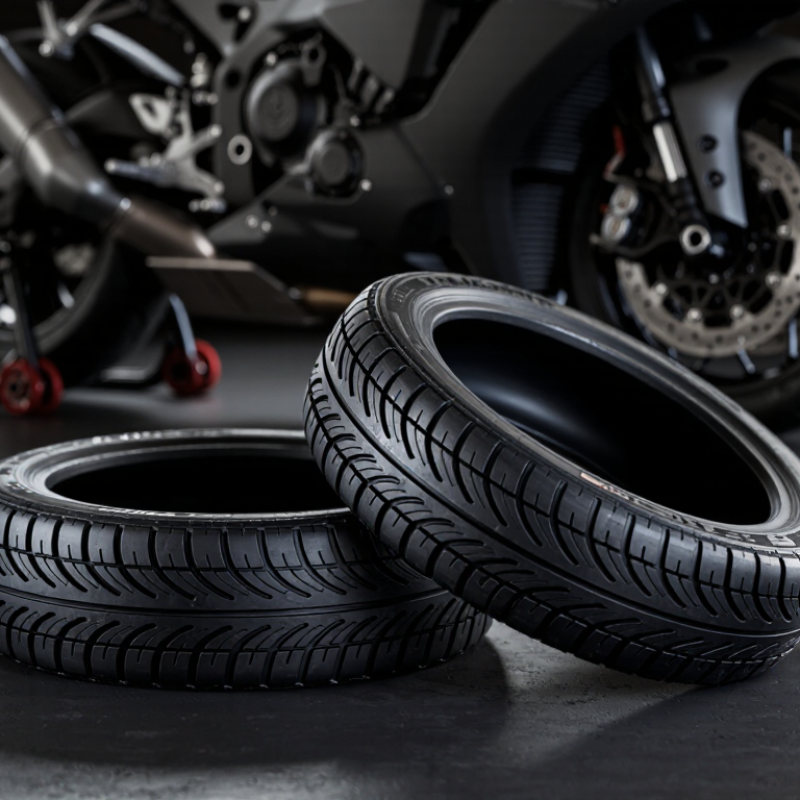
How to Choose Pirelli Diablo Rosso IV Tires?

Understand the Pirelli Diablo Rosso IV’s Design and Intended Use

A modern sport motorcycle tire is built to balance quick steering, cornering grip, and predictable road manners. The Diablo Rosso IV is intended mainly for sporty street riding, where riders may encounter smooth bends, damp patches, and changing pavement in one trip. Its tread pattern leaves working rubber across much of the contact area while retaining grooves to move water away. The profile is shaped to help the bike turn in readily, but tire choice still depends on your motorcycle, riding pace, and conditions.

Think about how you actually ride. If your regular route includes cold mornings, rough streets, or long highway stretches, a highly sporty tire may not suit every preference. Grip and feedback can change with temperature, pressure, load, and wear. Check the motorcycle manual for approved sizes and inflation guidance, then inspect the tire regularly for uneven wear or damage. A specification sheet cannot predict every road. That part deserves thought.

Tips: Choose the correct size and load rating. Set pressure when the tires are cold, following the motorcycle maker’s guidance. Allow the tires to warm through steady riding before asking for hard cornering. If your rides are mostly commuting, compare touring-focused options too; I might favor sharper handling, but that is not always the sensible trade.

Verify Tire Size and Motorcycle Compatibility

Before choosing a sport tire, read the motorcycle’s manual and inspect both existing sidewalls. Match the specified front and rear sizes, not just the rim diameter. A marking such as 180/55 ZR17 describes width, aspect ratio, construction, and rim size. It is an example, not a recommendation for your bike. Check the wheel’s approved width, too.

Load and speed ratings matter just as much. The ETRTO Standards Manual assigns a 365-kilogram maximum load to index 73, while speed symbol W corresponds to 270 km/h under specified test conditions. These are tire ratings, not permission to exceed the motorcycle’s limits. Use the ratings specified for your machine, and confirm the front and rear tires meet its requirements. Small sidewall numbers are easy to overlook.

Then check physical clearance. With the bike unloaded and upright, look for space around the swingarm, chain, fork, and fender; suspension movement can reduce it. UNECE Regulation No. 75 sets approval requirements for motorcycle tires, but approval alone does not confirm fitment on your motorcycle. A wider tire may look appealing. It can still handle poorly or rub. If the manual and fitment data disagree, pause and ask a qualified technician; guessing here is not a useful shortcut.

Match the Tire’s Performance to Your Riding Conditions

A sport-oriented tire should suit the roads and weather you actually ride in, not just the bike’s appearance or peak performance. On warm, dry pavement, its responsive handling can make quick direction changes feel precise. But a winding road is not a racetrack; sight lines, traffic, and uneven surfaces still matter. On wet commutes, smooth inputs and extra following distance are essential. Tire design can support grip, but it cannot cancel standing water or cold asphalt. Keep it realistic.

Your motorcycle’s weight, suspension setup, and usual cargo also affect how a tire behaves. Check the owner’s manual for approved sizes and cold-pressure guidance, then measure pressure with a reliable gauge before riding. Don’t assume a sporty tire needs a lower pressure. Inspect tread and sidewalls regularly, especially after long trips or rough roads. A tire can feel less predictable as it wears, even if some tread remains. If your routes stay cold, wet, or heavily patched, ask a qualified tire professional whether a more road-focused option better fits your use. Conditions change.

Compare the Rosso IV with Other Tire Options

A sport-focused road tire sits between a touring tire and a track-oriented option. Compared with touring rubber, it usually prioritizes sharper steering and grip during spirited cornering. The trade-off can be quicker wear and less comfort on rough pavement. On a chilly morning commute, that extra sportiness may matter less than predictable warm-up and wet-road confidence.

Track-focused tires make a different compromise. They can offer strong grip in sustained heat, but may be less practical during everyday trips or changing weather. A road-focused sport tire is often the more balanced choice for riders who visit twisty roads but still commute. Not perfect. No tire is.

Compare the options using your actual riding, not just a tread pattern or a sales claim. Check the motorcycle manual for approved sizes, load ratings, and pressure guidance. Measure pressure when the tires are cold, and inspect wear across the center and shoulders. A squared-off rear tire can change how the bike turns, even if the grooves still look deep. Rain exposure, passenger weight, and frequent highway miles also affect the decision. I would not choose by mileage promises alone; grip, comfort, and wear rarely peak together. A brief test ride helps, but conditions can make impressions misleading.

How to Choose Pirelli Diablo Rosso IV Tires? - Compare the Rosso IV with Other Tire Options

Comparison point Road-focused hypersport Sport-touring Track-focused, road-legal sport All-round road sport
Typical priority Sporty road handling with strong grip for spirited riding. Comfort, predictable road manners, and longer-distance use. High grip and feedback during hard riding, especially in suitable conditions. A balanced mix for everyday riding and occasional brisk rides.
Best suited to Riders who prioritize agile handling and sporty road performance. Commuting, touring, and riders who cover varied road distances. Experienced riders who frequently ride fast or attend track days. Riders seeking one practical tire type for mixed everyday use.
Wet-road considerations Check the specific tire’s wet-weather suitability; sporty designs can involve compromises. Often designed with regular road use and changing weather in mind; performance still varies by tire. May be less appropriate for cold or wet public roads; check the maker’s guidance. A sensible category to investigate if wet-road use is part of your routine.
Wear and mileage Mileage depends on riding style, motorcycle, road surface, pressure, and load. Often chosen by riders prioritizing touring use and tire life, but actual mileage varies. Hard use can increase wear; longevity depends strongly on conditions and riding style. Wear is model- and use-dependent; compare independent tests and owner experience.
What to verify before buying Correct size, load index, speed rating, road approval, and motorcycle fitment. Fitment approval, load capacity for passenger or luggage, and intended weather use. Road legality, warm-up guidance, pressure recommendations, and intended use. Manufacturer fitment recommendations and the balance of grip, comfort, and wear.
A practical choice if… Your riding is mainly on-road and you want a distinctly sporty feel. You value comfort and regular longer rides more than maximum sport focus. Track use is a priority and you understand the compromises for ordinary road conditions. You want a middle ground rather than a strongly touring- or track-oriented tire.

Category descriptions are general; characteristics differ between individual tires. Always confirm the approved tire size, load index, speed rating, and pressure for your motorcycle in its owner’s manual or manufacturer fitment information.

Check Purchase Costs, Installation, and Ongoing Care

The purchase price is only part of the cost of a set of sport motorcycle tires. Ask the shop for a written estimate covering both tires, fitting, balancing, valve stems, and disposal fees. Prices can vary by size and location, so compare complete quotes rather than the tire price alone. I would not guess at fitment from an online listing. Check the motorcycle manual and confirm the approved sizes with a qualified installer. If the wheels need extra work, ask about that charge before booking.

Installation matters. A careful technician should inspect the wheels, fit the tires in the correct direction, and balance them before the motorcycle leaves the shop. After fitting, follow the tire maker’s break-in guidance and ride gently while the surface settles. Small steps, but important ones. Check pressure with a reliable gauge when the tires are cold, using the motorcycle manufacturer’s recommended settings. Inspect tread and sidewalls regularly for uneven wear, cuts, or embedded debris. Pressure checks are easy to postpone; that is one habit worth correcting. Replace tires when they reach the wear indicators or show damage, and ask a technician if wear looks unusual.

FAQS

What type of riding is this tire intended for?

It is designed mainly for sporty street riding, including bends and changing pavement. It balances responsive steering with cornering grip. Not magic.

How can I check whether the tire fits my motorcycle?

Check the motorcycle manual and both tire sidewalls. Match the approved front and rear sizes, load ratings, and speed ratings. Rim diameter alone is not enough.

What does a marking like 180/55 ZR17 mean?

It describes tire width, aspect ratio, construction, and rim size. It is only an example, not a recommended size for every motorcycle.

How should I set tire pressure?

Follow the motorcycle maker’s cold-pressure guidance. Measure pressure with a reliable gauge before riding. Don’t guess.

How might cold or wet roads affect performance?

Grip and feedback can change with temperature and road conditions. On wet roads, use smooth inputs and leave extra following distance. Standing water remains a risk.

Should I warm up the tires before hard cornering?

Ride steadily before asking for hard cornering. Tire behavior depends on more than tread design, so allow conditions to guide your pace.

What should I inspect during regular checks?

Look for uneven tread wear, sidewall damage, and objects lodged in the rubber. Check for clearance near the swingarm, chain, fork, and fender.

Is a sporty tire a good choice for daily commuting?

It may suit some commutes, but cold mornings, rough streets, and long highway stretches can change what feels comfortable. I might favor sharper handling, but that is not always the sensible trade.

Conclusion

Choosing Pirelli Diablo Rosso IV Tires starts with understanding their design and intended use, then checking that the correct tire size and specifications are compatible with your motorcycle. Consider how and where you ride, including typical road conditions and your preferred balance of grip, comfort, and durability. A tire that suits spirited riding may not be the best match for every daily commute or touring routine, so weigh its performance characteristics against your real-world needs.

Before deciding, compare the Rosso IV with other tire options in terms of handling, longevity, and value. Include the full cost of ownership in your decision: purchase price, professional installation, and routine care such as checking pressure and inspecting tread condition. Matching the tire to your motorcycle and riding habits can help you make a practical choice and maintain predictable performance over time.

Charlotte Hayes

Charlotte Hayes

Charlotte Hayes is a professional marketing specialist who helps make complex product information clear, useful, and easy to understand. With a strong knowledge of the company’s products and the needs they are designed to meet, she regularly contributes expert articles to the company website. Her......