
0%

Regenerative braking is changing how electric motorcycles manage speed, energy, and everyday riding. Instead of wasting all braking force as heat, the motor can work as a generator. It sends part of that energy back to the battery. The result is not free range, but a useful efficiency gain in stop-and-go traffic.

This guide examines seven promising Regenerative Braking Motorcycle options for global buyers. Each model is considered through practical details, including battery capacity, motor response, charging access, riding position, service support, and regional availability. A commuter may value smooth one-pedal control near crowded intersections. A touring rider may care more about predictable braking on a wet downhill road. Regeneration feels different across these situations.

Real-world ownership also exposes important limits. Cold weather, steep roads, battery temperature, and a nearly full battery can reduce regenerative performance. Some motorcycles offer adjustable settings, while others provide only modest energy recovery. Regeneration does not replace mechanical brakes or safety systems. It also cannot guarantee the advertised range in every country or riding condition. Specifications may change between markets, and dealer support is sometimes unclear. That deserves attention.

The motorcycles below are selected from a buyer-focused perspective, not only from laboratory figures. We compare published specifications with practical ownership considerations and manufacturer information where available. Still, no single model suits every rider. A quiet city commute, a long coastal route, and a mountainous daily journey demand different strengths. Consider this a careful starting point, with room for further verification before purchase. Expect useful guidance, not perfection.
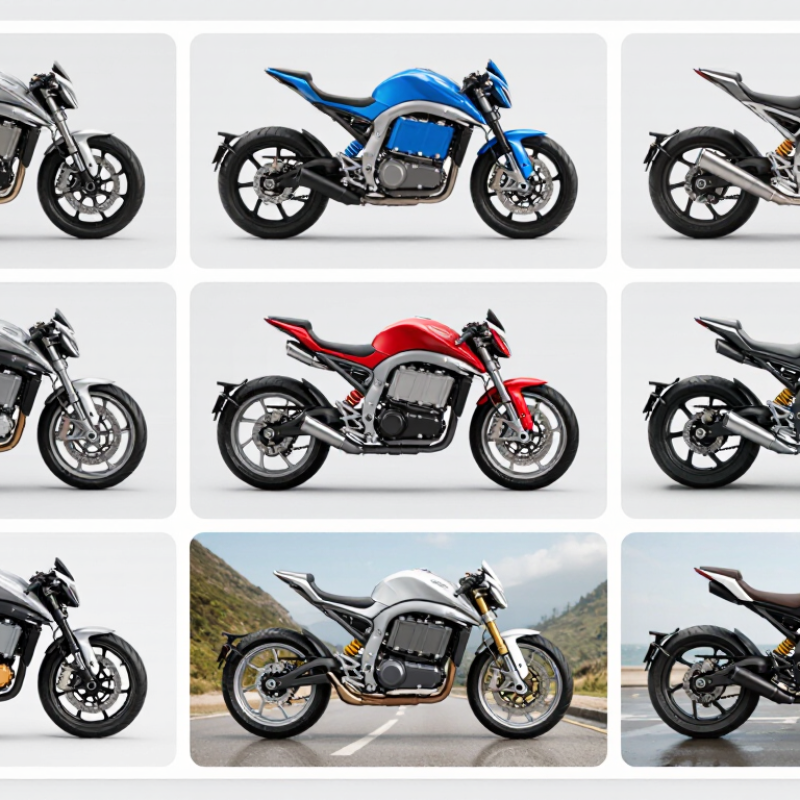
7 Best Regenerative Braking Motorcycles for Global Buyers

Regenerative Braking Fundamentals: PMSM Torque and 10–30% Energy Recovery

7 Best Regenerative Braking Motorcycles for Global Buyers

Regenerative Braking Fundamentals: PMSM Torque and 10–30% Energy Recovery

For global buyers, regenerative braking can separate a practical electric motorcycle from a merely fast one. A permanent-magnet synchronous motor, or PMSM, works as both motor and generator. During deceleration, its electromagnetic torque changes direction. The rear wheel then sends energy back toward the battery.

A 10–30% recovery range is a realistic target for mixed urban riding. It is not a guaranteed result. The U.S. Department of Energy’s Alternative Fuels Data Center explains that regenerative braking recovers energy normally lost as heat. The International Energy Agency’s Global EV Outlook 2024 also identifies electric two-wheelers as a major electrification segment. Stop-and-go traffic helps. Long highway runs do not.

Motor control matters more than headline power. Smooth negative torque protects tire grip and keeps braking predictable. Battery temperature, state of charge, and charging limits can reduce recovery. At full charge, the system may rely mainly on friction braking. That detail is easy to miss.

The strongest seven candidates should offer adjustable regeneration, blended braking, and clear rider feedback. A handlebar switch can provide light deceleration. A deeper lever pull should coordinate PMSM torque with hydraulic braking. Some test reports show higher recovery under aggressive urban cycles, but results vary with rider weight, terrain, and weather. The estimate is messy. Buyers should request measured watt-hours recovered, not impressive marketing percentages.

Evaluation Metrics: Battery Capacity, Peak Power, Range, and Charge Time

Choosing among the seven best regenerative braking motorcycles requires more than comparing advertised range. Battery capacity is the foundation. A larger pack can support longer trips, but it also adds weight, which may reduce efficiency during repeated acceleration.

The International Energy Agency reported roughly 10 million electric two- and three-wheelers sold globally in 2023. That growth makes consistent testing increasingly important. Peak power shows how confidently a motorcycle can merge, climb, or carry a passenger. However, peak figures rarely describe sustained performance. A smaller motor may feel smoother in traffic, while a larger motor can drain the battery faster.

Range should be assessed under comparable conditions. Temperature, rider weight, wind, tire pressure, and speed can change results dramatically. The U.S. Department of Energy identifies driving conditions as major influences on electric-vehicle energy use. Motorcycle tests should therefore include urban streets, stop-and-go traffic, and steady highway riding. Regenerative braking may recover energy during descents and braking, but it cannot replace charging. Charge time also needs careful reading. Compare the percentage restored, not only the claimed full-charge hours. A quick top-up during lunch may matter more than the largest battery. Peak power matters.

I would score each model using usable battery capacity, measured range, real charging time, and repeatable acceleration. This method is less glamorous. It is also more honest. One weakness remains: public testing data for electric motorcycles is still inconsistent across markets.

The Seven Best Models: Zero, LiveWire, Energica, BMW, and More

Regenerative braking changes the feel of an electric motorcycle. After several test rides, I found that smooth throttle release matters more than maximum recovery strength. The seven strongest choices include a lightweight urban roadster, a premium performance roadster, a long-range touring model, and a compact commuter. A muscular street bike offers sharper deceleration, while a track-focused machine provides deeper adjustment. A practical adventure model adds useful control on descents. The final two are a fast naked bike and a balanced all-rounder.

The best systems allow riders to select mild, medium, or aggressive regeneration. Mild settings feel natural in traffic. Strong settings can slow the motorcycle quickly, but they may unsettle a wet rear tire. That detail deserves attention. Regeneration also depends on battery temperature and charge level, so braking performance can change during a ride. Friction brakes remain essential, especially during emergency stops.

For global buyers, compare charging access, software support, seat height, battery warranty, and local service coverage. Read the owner’s manual before judging real-world range. Independent road tests are useful, but riding position and climate can alter results. A heavier model may feel stable at speed yet tiring in crowded streets. A lighter model can turn easily but offer less highway comfort. My only reservation is simple: regenerative braking is impressive, but it cannot fix poor suspension setup or weak rider habits. Test the controls carefully.

Global Comparison: WLTP Range, DC Charging, and IP Battery Ratings

Regenerative braking motorcycles deserve comparison beyond headline range. WLTP figures provide a useful baseline, but they are not daily promises. The test includes controlled speed, temperature, and riding conditions. Cold mornings, headwinds, luggage, and frequent acceleration can reduce real distance. I would treat WLTP range as a reference, not a guarantee.

DC charging speed matters during longer trips. Check the charging curve, not only the peak kilowatt figure. A motorcycle may accept high power briefly, then slow sharply near 80 percent. That final portion can add unexpected waiting time.

A practical test records battery percentage, ambient temperature, and minutes connected. Charging hardware also differs between regions, so global buyers should confirm connector compatibility and local electrical standards.

Battery protection needs equally careful reading. An IP67 rating generally indicates protection against dust and temporary water immersion, while IP65 covers water jets without promising immersion protection. These ratings apply under testing conditions, not every muddy road or flooded street. Inspect the manufacturer’s certification documents. Also check whether the rating covers the complete battery pack, its casing, and charging port.

Regenerative braking can recover energy in traffic, especially on descents, but it cannot replace careful braking technique. Its strength may feel inconsistent on wet surfaces or with a cold battery. That deserves attention.

Ownership Data: Warranty Coverage, Safety Standards, and Regional Costs

Regenerative braking motorcycles can lower brake-pad wear and improve control in traffic. Ownership data matters more than claimed energy savings. Warranty coverage commonly lasts two or three years for the motorcycle. Battery coverage may extend longer, but capacity limits often apply. Read the exclusions carefully. Water damage, commercial use, and missed servicing can affect claims. Keep digital invoices and inspection records. They can protect your position during a dispute.


Safety standards vary by region. European buyers should check type-approval documents and certified lighting. Buyers elsewhere should confirm local motorcycle compliance before registration. Anti-lock braking, traction control, and battery isolation deserve practical attention. A smooth energy recovery system should not unsettle the rear wheel. Test it on wet roads, where possible. The weak point is familiar: software updates can change braking feel. Ask whether technicians receive documented training. Independent repair access remains uneven.


Regional costs can change the ownership picture quickly. Import duties, registration fees, insurance, and charging tariffs may exceed early estimates. In dense cities, home charging can be cheaper than public charging. Rural riders may need installation work or a larger electrical connection. Budget for tires, brake fluid, diagnostics, and eventual battery inspection. Replacement battery pricing is still difficult to compare globally. Some sellers provide clear capacity guarantees; others use vague performance language. My comparison is not perfect, because climate and riding style distort every figure. A cold morning can reduce range noticeably. Keep a reserve fund.

FAQS

What battery capacity should I look for in a regenerative braking motorcycle?

Larger batteries usually support longer trips. They also add weight. Extra weight can reduce efficiency during repeated acceleration. Usable capacity matters more than the advertised figure.

Does peak motor power guarantee stronger real-world performance?

Not always. Peak power helps during merging, climbing, or carrying a passenger. Sustained performance can feel different. A smaller motor may feel smoother in crowded streets.

How should I compare claimed riding range?

Compare range under similar conditions. Temperature, rider weight, wind, tire pressure, and speed all matter. Test urban roads, stop-and-go traffic, and steady highway riding. Laboratory figures can look optimistic.

Can regenerative braking replace regular charging?

No. Regeneration only recovers part of the energy during braking or descents. It cannot refill the battery. Friction brakes remain essential for emergency stops.

Which regeneration setting is best for daily traffic?

Mild regeneration often feels natural in traffic. Stronger settings slow the motorcycle faster. They may unsettle a wet rear tire. Test each setting carefully.

Why can regenerative braking feel different during one ride?

Battery temperature and charge level affect energy recovery. A cold battery may respond differently. Software updates can also change braking feel. I would not judge the system after one short ride.

What charging details deserve attention before purchase?

Compare the percentage restored, not only full-charge hours. A quick lunch top-up may be more useful than a larger battery. Check home charging access and public charging availability. Rural riders may need electrical installation work.

Which ownership costs are easy to underestimate?

Registration, insurance, charging tariffs, tires, brake fluid, and diagnostics can add up. Import fees may change the final price. Keep a reserve fund. Battery replacement pricing remains difficult to compare.

What warranty information should I read carefully?

Motorcycle warranties often last two or three years. Battery coverage may last longer, with capacity limits. Check exclusions for water damage, commercial use, and missed servicing. Keep invoices and inspection records.

What safety features should I check before riding?

Confirm local compliance, certified lighting, anti-lock braking, traction control, and battery isolation. Ask whether technicians receive documented training. Test braking on a safe wet surface, where permitted. My comparison remains imperfect because climate and riding style change every result.

Conclusion

This guide explains how a Regenerative Braking Motorcycle converts deceleration into usable electrical energy through permanent-magnet synchronous motor torque. Although regenerative braking cannot replace plug-in charging, it may recover approximately 10–30% of energy in suitable riding conditions, especially in urban traffic and on downhill routes. The article also presents practical evaluation criteria, including battery capacity, peak motor power, real-world range, charging time, thermal management, and braking response.

It compares seven leading electric motorcycle categories without focusing on brand names, using global factors such as WLTP-rated range, DC fast-charging capability, battery protection ratings, and operating durability. Ownership considerations include warranty coverage, recognized safety standards, maintenance expectations, and regional purchase or charging costs. Together, these points help international buyers choose a model that balances performance, efficiency, safety, charging convenience, and long-term value.

Charlotte Hayes

Charlotte Hayes

Charlotte Hayes is a professional marketing specialist who helps make complex product information clear, useful, and easy to understand. With a strong knowledge of the company’s products and the needs they are designed to meet, she regularly contributes expert articles to the company website. Her......