Popular destinations
Choosing a Demo Electric Motorcycle supplier in 2026 takes more than comparing prices or advertised range. Global buyers need to assess how a bike performs on real roads, how consistently it is built, and what support follows delivery. A short test ride can reveal useful details: brake feel, display visibility in bright sun, charging access, and stability over uneven pavement. Small details matter.
This guide introduces suppliers serving different buyer needs, from dealer demonstration fleets to early-stage commercial evaluations. It explains what to check in battery specifications, motor output, charging time, warranty terms, spare-parts access, and production capacity. Buyers should request written specifications and confirm that test results reflect the intended model and configuration. A brochure alone is not enough.
Supplier quality also depends on communication and follow-through. Ask how the company handles technical questions, replacement parts, shipment updates, and service training. For cross-border purchases, clarify packaging, delivery timelines, and the product documentation needed for the destination market. Requirements can vary, so buyers should verify them with qualified local professionals rather than rely on broad promises. That step is easy to overlook.
No supplier is the right fit for every project. A compact model may suit urban demonstrations, while a higher-capacity motorcycle may better match longer test routes. This article offers a practical framework for comparing options, not a guarantee of performance. Some information may change quickly; confirm current specifications and support terms directly before making a purchasing decision.
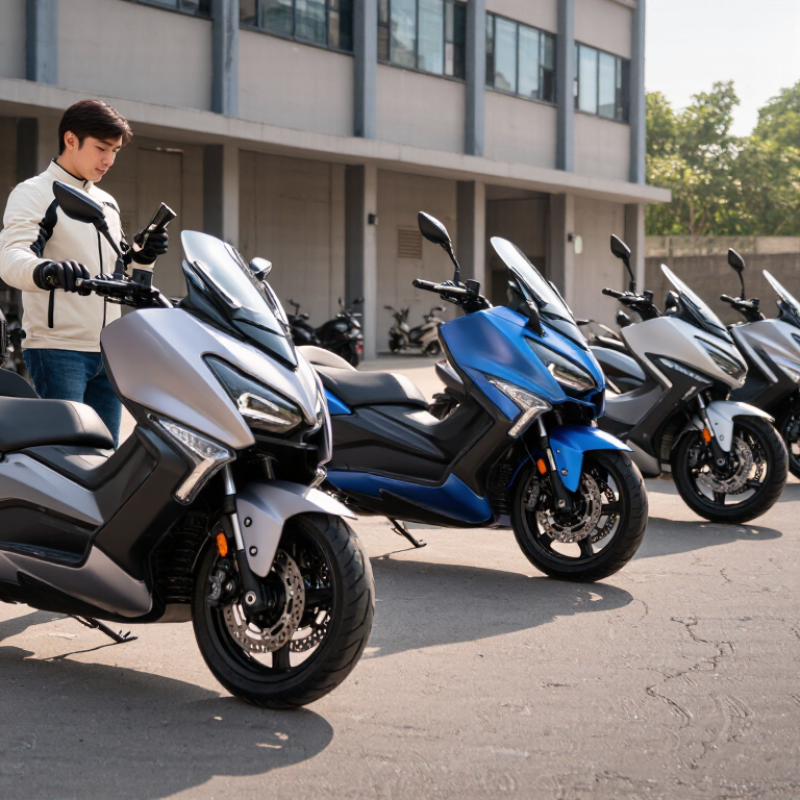
A demo electric motorcycle is a working vehicle used to show and evaluate an electric model before a larger purchase. Buyers can assess acceleration, braking feel, riding position, display visibility, and charging access on a real machine. It is more informative than a brochure. Small details matter.
In 2026, the market serves dealers, fleet operators, training centers, and distributors comparing electric options. A demo unit helps teams judge whether stated range suits their routes, including hills, frequent stops, and cold starts. Battery capacity alone does not answer that question. Real use does.
For global buyers, a useful demo program includes clear specifications, service guidance, spare-part information, and a practical way to record test results. Check charging compatibility and ask how the motorcycle behaves under repeated use. Supplier support matters after the first ride. The category is still uneven, and test conditions can be imperfect; a short demonstration may not reveal long-term battery performance. Buyers should note what was tested, what remains uncertain, and whether their own riders can repeat the trial.
It is a working motorcycle used to evaluate an electric model before a larger purchase. Riders can check acceleration, braking, seating position, display visibility, and charging access. Details matter.
Dealers, fleet operators, training centers, and distributors use them to compare options. A real ride can reveal whether a model suits local routes and daily demands.
Ask for the test route, rider weight, speed, weather, and starting battery level. Hills, frequent stops, and cold starts can change results. One figure is not enough.
Request clear specifications, recent photos, service records, and a written checklist. Ask which configuration is being shown, since tires, suspension, and controls may vary.
Check usable battery energy, continuous motor output, payload, braking, and water-ingress protection. Try hill climbs and repeated rides, then inspect for loose fasteners.
Ask who diagnoses faults, which spare parts are stocked, and how long replacements may take. Review warranty procedures and exclusions. Support can vary.
Confirm packaging dimensions, shipping options, charging compatibility, and spare-part availability. Agree in writing on acceptable wear or cosmetic marks. Not always.
No. A brief trial cannot establish long-term performance. Record what was tested and what remains uncertain, then repeat the trial with your own riders. I might still miss something.
In 2026, a Demo Electric Motorcycle is more than a display vehicle: it gives buyers a practical way to assess performance, range, charging needs, comfort, and build quality before placing an order. Suppliers support global buyers through demonstrations, product information, sample units, and guidance on choosing models for different rider needs and market conditions. Comparing suppliers means looking beyond price to factors such as product consistency, customization options, production capacity, communication, and delivery reliability.
A sound supplier evaluation also considers the full ownership and sourcing process. Buyers can review model specifications, request clear quotations, confirm export documentation and applicable market requirements, and ask how warranty claims, spare parts, maintenance guidance, and technical support are handled. Comparing these details helps organizations identify a supplier whose capabilities and service approach align with their purchasing plans, while making product evaluation and future support more predictable.